










































Uganda Urges 50% Value Retention in Oil and Gas Sector Ahead of First Oil

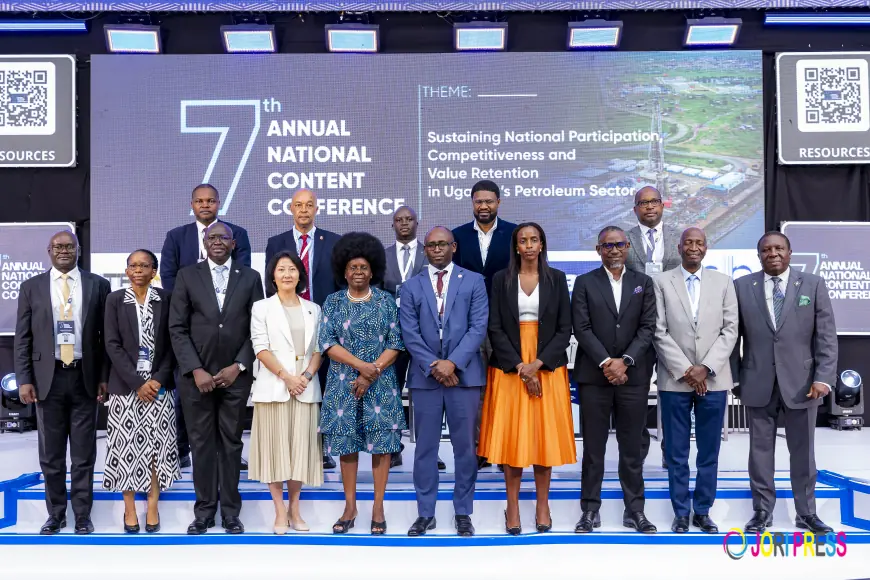
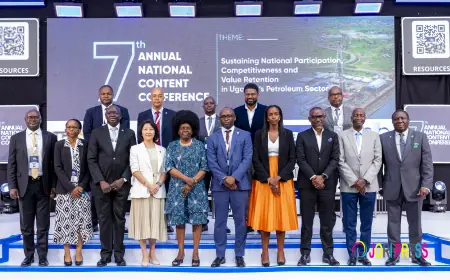
KAMPALA, UGANDA – As Uganda prepares to transition from the development phase to oil production in the 2026/2027 Financial Year, government officials and industry leaders have called for a decisive shift toward local manufacturing, technology transfer, and keeping at least half of all petroleum project value within the domestic economy.
Speaking at the opening of the 7th Annual National Content Conference in Kampala on Tuesday, November 25, 2026, the Minister of Energy and Mineral Development, Hon. Monica Musenero Masanza, challenged stakeholders to measure success not merely by the volume of contracts awarded to local firms, but by the tangible industrial capacity left behind.
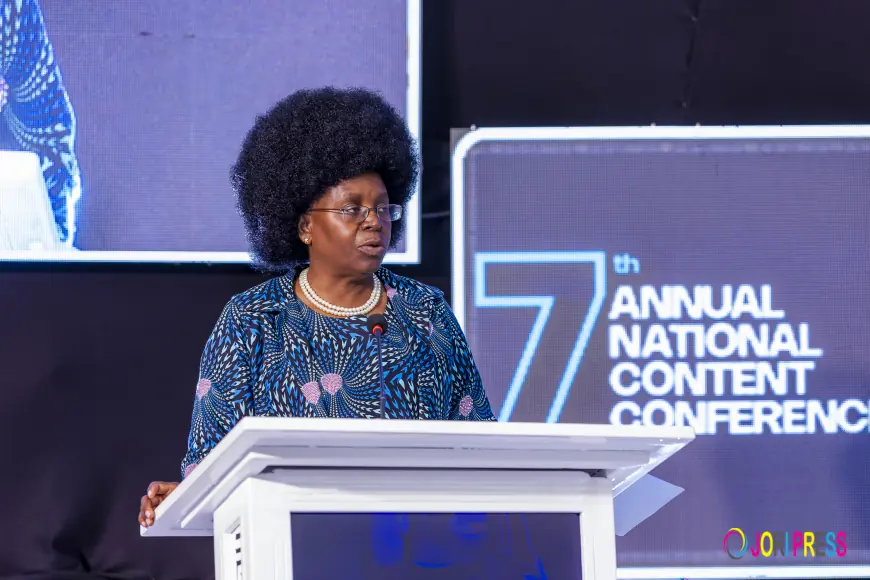
Dr. Monica Musenero
Moving Beyond Service Provision to Industrialisation:
Held under the theme “Sustaining National Participation, Competitiveness and Value Retention in Uganda’s Oil and Gas Sector,” the two-day gathering has convened government officials, international oil companies, contractors, and local suppliers to chart a path for the sector's operational phase.
Minister Musenero issued a pointed challenge to project developers and local enterprises alike, warning against an over-reliance on imported equipment while Ugandan firms remain restricted to basic service delivery.
“Where is the money? Where are the industries?” Hon. Musenero asked attendees. “The country should not be satisfied with local companies providing services while critical goods and specialised equipment continue to be imported. I want to see industries that have emerged because of these projects, industries manufacturing goods that we would otherwise import.”
Drawing parallels with Uganda’s hydroelectric dam developments, the Minister urged stakeholders to build deliberate mechanisms that prevent project expenditure from simply passing through the economy. She set a clear benchmark: retaining at least 50 percent of project value inside Uganda while grooming local enterprises to compete in regional and global markets.
Mr. Michael Otonga Ochan, Acting Executive Director of the Petroleum Authority of Uganda (PAU), echoed this sentiment, noting that the conference aims to convert past development-phase gains into permanent, practical commitments that sustain Ugandan businesses throughout the entire lifecycle of the oil fields.
Operators Highlight Local Readiness for Production Phase:
During the opening panel, executives from major joint-venture partners and state agencies detailed ongoing investments in local capacity as "First Oil" draws closer:
Operations Director Mr. Lamin Sabally stated that teams are working around the clock to meet First Oil timelines safely and efficiently. He revealed that TEPU has invested over USD 20 million to train more than 180 Ugandan engineers in France and Malaysia—personnel who are now actively commissioning facilities for start-up. Additionally, TEPU has awarded over 25 key technical operations contracts to Ugandan firms and joint ventures covering electrical, instrumentation, process control, and well services.
Vice President and Chief Finance Officer Ms. Zhao Xiaoyun noted the expanding footprint of local firms in warehousing, metal fabrication, protective equipment supply, and logistics. She encouraged Ugandan businesses to form strategic joint ventures with international firms to qualify for upcoming operational opportunities, including well-pad maintenance, light fabrication, and fleet management.
Chief Operations Officer Ms. Samantha Muhwezi Kassami reaffirmed UNOC’s mandate to place Ugandans at the core of the value chain. She also pointed to UNOC’s expanding regional infrastructure strategy, including its acquisition of a 20.15 percent stake in the Kenya Pipeline Company, ongoing negotiations for a storage terminal in Kenya, and talks with Tanzania to develop an energy hub in Tanga.
Deputy Managing Director Mr. John Bosco Habumugisha highlighted EACOP's workforce nationalisation strategy, noting that 31 Ugandan operators have already completed training and gained live project exposure abroad. He added that EACOP is leaving a broader community legacy by funding sports facilities in districts along the pipeline route.
Looking Ahead:
Day one of the conference featured technical sessions on original equipment manufacturer (OEM) partnerships, local after-sales capabilities, and domiciling value chains.
The event will conclude with the prestigious National Content Awards and an industry field visit for 45 Ugandan companies selected from the National Supplier Database, offering local entrepreneurs first-hand exposure to emerging operational opportunities across the Albertine Graben.
What's Your Reaction?
 Like
0
 Dislike
0
 Love
0
 Funny
0
 Angry
0
 Sad
0
 Wow
0