






































Types of Construction Safety Nets and Their Applications
Construction safety nets help prevent falls, protect workers, and improve safety on construction sites. Choosing the right type of safety net and ensuring proper installation creates a safer and more efficient working environment.
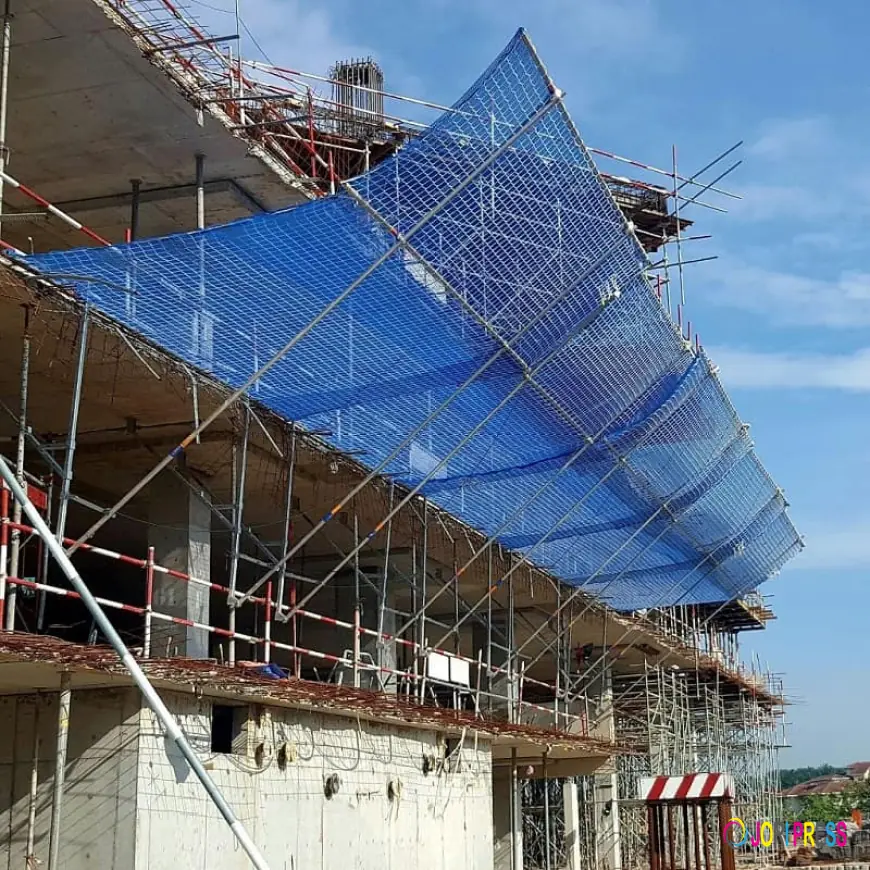
Construction sites are among the most hazardous workplaces, making worker safety a top priority. One of the most effective ways to reduce fall-related accidents is to install safety nets in construction. These nets provide reliable fall protection, prevent debris from falling, and create a safer working environment for everyone on-site.
This blog will guide you on the types of safety nets in construction, their applications, and how to choose the right solution for your project.
Why Safety Nets Are Important in Construction
Working at heights is common in residential, commercial, and industrial projects. Without proper fall protection, workers face serious risks. Safety nets for construction act as a secondary protection system by catching workers or falling objects before they cause injuries or property damage.
Apart from improving workplace safety, construction safety nets help companies comply with workplace safety regulations and reduce project downtime caused by accidents.
Types of Safety Net in Construction
1. Fall Protection Safety Nets
A fall protection safety net for construction is designed to catch workers who accidentally fall from elevated work areas. These nets are installed below working platforms, scaffolding, bridges, and steel structures to minimize injuries.
Applications:
-
High-rise buildings
-
Bridge construction
-
Industrial plants
-
Stadium projects
-
Commercial construction sites
2. Debris Safety Nets
Debris nets prevent construction materials, tools, and waste from falling onto pedestrians, vehicles, or lower work areas. They also help maintain a cleaner and safer job site.
Applications:
-
Building renovations
-
Exterior wall construction
-
High-rise towers
-
Demolition projects
3. Vertical Safety Nets
Vertical nets are installed along the outer edges of buildings to prevent workers and loose materials from falling off the structure. They also help protect neighboring properties from construction debris.
Applications:
-
Multi-storey apartments
-
Commercial buildings
-
Residential construction
4. Scaffold Safety Nets
Scaffold safety nets are attached directly to scaffolding systems to provide additional protection for workers performing exterior construction, painting, or maintenance.
Applications:
-
Scaffolding platforms
-
Building maintenance
-
Exterior renovations
5. Perimeter Safety Nets
Perimeter safety nets are installed around the outer edges of construction sites to provide collective fall protection while allowing workers to move freely.
Applications:
-
High-rise developments
-
Shopping malls
-
Infrastructure projects
-
Large commercial buildings
Applications of Safety Nets for Construction Sites
Modern safety nets for construction sites are used across various industries and project types, including:
-
Residential apartment construction
-
Commercial office buildings
-
Industrial facilities
-
Bridge and flyover construction
-
Warehouses
-
Stadiums
-
Airports
-
Metro rail projects
-
Infrastructure development
Their versatility makes them an essential part of almost every building project involving work at height.
Benefits of Installing Safety Nets for Building Construction
Installing a safety net for building construction offers numerous advantages beyond worker protection.
Prevents Fall Accidents
The primary purpose of construction safety net is to reduce injuries caused by accidental falls.
Protects Workers and Pedestrians
Safety nets stop falling tools and materials from causing injuries below the work area.
Improves Productivity
Workers feel more confident when working at heights, allowing them to focus on completing tasks efficiently.
Reduces Project Delays
Fewer accidents mean fewer work stoppages, insurance claims, and legal complications.
Supports Safety Compliance
Properly installed safety nets help contractors meet workplace safety standards and regulations.
How to Choose a Reliable Safety Net Manufacturer
Selecting the right safety net manufacturer is just as important as choosing the right type of net.
Look for a supplier that offers:
-
High-strength, UV-resistant materials
-
Durable knotless or knotted netting
-
Certified quality standards
-
Professional installation services
-
Weather-resistant products
-
Reliable after-sales support
-
Competitive pricing
An experienced manufacturer can recommend the best safety solution based on your project requirements.
Factors That Affect Safety Net Price
The safety net price depends on several factors, including:
-
Type of safety net
-
Material quality
-
Net size and coverage area
-
Mesh size
-
Installation height
-
Customization requirements
-
Installation charges
-
Project location
Instead of selecting the cheapest option, prioritize quality, durability, and professional installation to ensure maximum protection.
Tips for Maintaining Construction Safety Nets
Proper maintenance extends the lifespan of construction net and ensures consistent performance.
-
Inspect nets regularly for tears or damage.
-
Replace worn-out sections immediately.
-
Ensure all fixing points remain secure.
-
Remove debris accumulated on the net.
-
Schedule periodic professional inspections for large projects.
Routine maintenance helps keep the safety system effective throughout the construction project.
Conclusion
Installing the right safety nets in construction is essential for protecting workers, preventing falls, and improving overall site safety.
By choosing a trusted safety net and investing in high-quality safety solutions, you can create a safer, more compliant, and productive construction environment for every project.
What's Your Reaction?
 Like
0
Like
0
 Dislike
0
Dislike
0
 Love
0
Love
0
 Funny
0
Funny
0
 Angry
0
Angry
0
 Sad
0
Sad
0
 Wow
0
Wow
0