








































The Role of Technology in Automated Parking Management Systems
Technology serves as the foundation of every automated parking management system. Various digital tools and intelligent systems work together to ensure smooth parking operations from vehicle entry to exit.

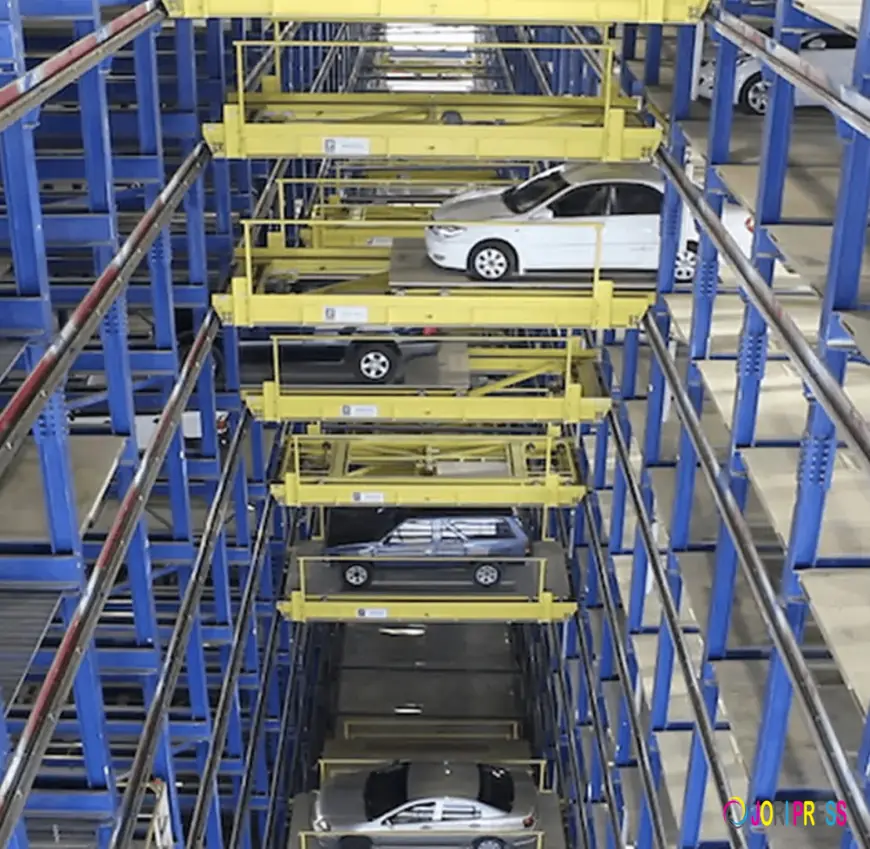
As cities grow and vehicle ownership continues to increase, parking management has become a significant challenge for commercial buildings, residential complexes, shopping centers, airports, hospitals, and public facilities. Traditional parking methods often lead to congestion, inefficient space utilization, longer wait times, and increased operational costs. To address these challenges, many organizations are adopting Automated Parking Systems supported by advanced technologies. An automated parking management system helps streamline parking operations, improve user experience, and maximize available parking space.
Understanding Automated Parking Systems
Automated Parking Systems are technology-driven solutions designed to manage vehicle parking with minimal human intervention. These systems use a combination of software, sensors, cameras, access control devices, and automation technologies to monitor, guide, and manage vehicles within a parking facility.
Unlike conventional parking arrangements, automated solutions provide real-time information about parking availability, vehicle movement, and occupancy levels. This allows operators to improve efficiency while offering a more convenient experience for drivers.
How Technology Powers Modern Parking Management
Technology serves as the foundation of every automated parking management system. Various digital tools and intelligent systems work together to ensure smooth parking operations from vehicle entry to exit.
Smart Sensors and Vehicle Detection
Sensors are among the most important components of Automated Parking Systems. They detect vehicle presence and monitor parking space occupancy in real time.
These sensors help:
- Identify available parking spaces
- Monitor occupancy rates
- Reduce time spent searching for parking
- Improve traffic flow within parking facilities
By providing accurate parking data, sensors help both operators and drivers make informed decisions.
License Plate Recognition Technology
Automatic Number Plate Recognition (ANPR) technology is widely used in modern parking facilities. Cameras capture vehicle registration details when vehicles enter and exit the premises.
Benefits include:
- Faster vehicle access
- Reduced manual verification
- Improved security monitoring
- Accurate entry and exit records
ANPR technology also helps eliminate the need for paper tickets in many parking environments.
Automated Access Control
Access control systems regulate vehicle movement into and out of parking facilities. These systems may include:
- Barrier gates
- RFID readers
- QR code scanners
- Mobile-based access systems
Automated access control reduces delays and ensures that only authorized vehicles can enter specific areas.
Parking Guidance Systems
Parking guidance technology helps drivers quickly locate available spaces. Digital displays and directional indicators provide real-time guidance throughout the parking facility.
Advantages include:
- Reduced congestion
- Faster parking
- Improved customer experience
- Better space utilization
This technology is especially valuable in large facilities such as airports, shopping malls, and office complexes.
The Importance of Software in Automated Parking Management Systems
Software acts as the central control unit of an automated parking management system. It collects data from various devices and transforms it into useful operational insights.
Parking management software enables operators to:
- Monitor occupancy levels
- Track vehicle movements
- Generate reports
- Manage user permissions
- Analyze parking trends
- Optimize resource allocation
Centralized management allows facility operators to make data-driven decisions and improve overall parking efficiency.
Real-Time Data and Analytics
One of the most valuable contributions of technology is the ability to provide real-time parking information.
Modern Automated Parking Systems continuously collect data related to:
- Available spaces
- Peak usage periods
- Vehicle entry and exit patterns
- Revenue generation
- Occupancy rates
This information helps facility managers identify trends and make improvements to parking operations. Data analytics can also support future expansion planning and infrastructure development.
Mobile Applications and Digital Convenience
Mobile technology has significantly enhanced parking management. Many automated parking management systems integrate with mobile applications that allow users to:
- Check parking availability
- Reserve parking spaces
- Make cashless payments
- Receive parking notifications
- Access digital parking passes
These features improve convenience and reduce the need for manual processes, making parking more efficient for users.
Enhancing Security Through Technology
Security is a major concern in any parking facility. Technology helps improve safety by providing continuous monitoring and access control.
Common security features include:
- CCTV surveillance
- Vehicle tracking systems
- Automated entry records
- Visitor management solutions
- Incident monitoring tools
These technologies help create a safer environment for vehicles and users while supporting efficient facility management.
Space Optimization and Efficiency
One of the primary goals of Automated Parking Systems is maximizing the use of available parking space. Technology helps achieve this by monitoring occupancy levels and directing vehicles to suitable parking locations.
Benefits of optimized parking include:
- Increased parking capacity
- Reduced traffic congestion
- Improved operational efficiency
- Better customer satisfaction
- Lower management costs
For facilities with limited space, efficient parking management can significantly improve overall functionality.
Supporting Smart Building and Smart City Initiatives
As urban areas continue to adopt smart technologies, automated parking management systems play an important role in supporting smart city development.
Integrated parking solutions can connect with:
- Building management systems
- Traffic management networks
- Electric vehicle charging infrastructure
- Public transportation platforms
This level of connectivity helps create more efficient urban environments while improving mobility and accessibility.
The Future of Automated Parking Systems
Technology continues to shape the future of parking management. Emerging innovations such as artificial intelligence, machine learning, cloud computing, and Internet of Things (IoT) connectivity are expected to further enhance Automated Parking Systems.
Future developments may include:
- Predictive parking availability
- Advanced traffic flow optimization
- Enhanced automation capabilities
- Improved user personalization
- Greater integration with smart city ecosystems
As these technologies evolve, parking facilities will become increasingly efficient, secure, and user-friendly.
Conclusion
Technology has transformed the way parking facilities operate, making Automated Parking Systems an essential solution for modern infrastructure. From smart sensors and parking guidance systems to mobile applications and real-time analytics, technology enables an automated parking management system to improve efficiency, security, and user convenience. As cities and developments continue to grow, technology-driven parking solutions will play an increasingly important role in creating smarter and more effective parking environments.
What's Your Reaction?
 Like
0
Like
0
 Dislike
0
Dislike
0
 Love
0
Love
0
 Funny
0
Funny
0
 Angry
0
Angry
0
 Sad
0
Sad
0
 Wow
0
Wow
0