

































Sports Water Bottle Manufacturer for Custom Drinkware
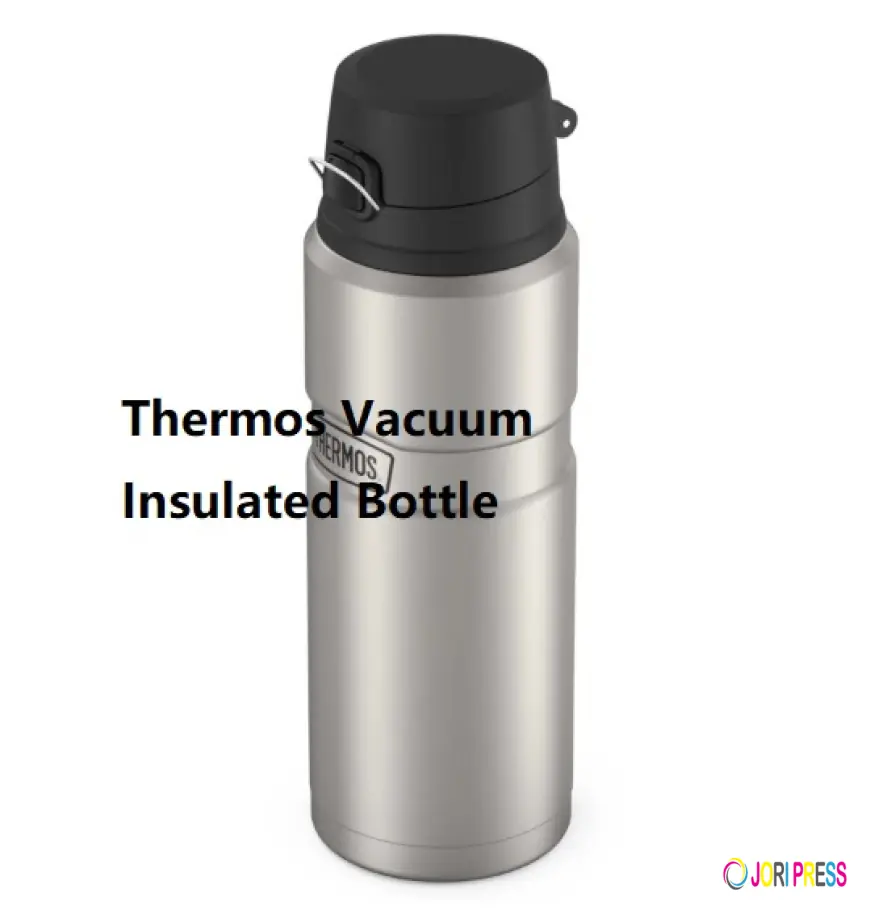
The growing interest in reusable drinkware has encouraged businesses to pay closer attention to product design, manufacturing quality, and changing consumer preferences. Working with a reliable Sports Water Bottle Manufacturer can help retailers and distributors develop product collections that meet different hydration needs. When evaluating a Sports Water Bottle Manufacturer, buyers should consider production capabilities, material selection, bottle structure, customization services, and quality management. These factors influence not only the finished product but also its suitability for retail distribution, promotional projects, and private-label business development.
Product Development Based on Market Requirements
Developing a sports bottle begins with understanding how consumers will use it. A bottle designed for gym activities may require a convenient grip and easy drinking access, while a model intended for commuting or office use may place greater emphasis on appearance and storage dimensions.
Manufacturers need to translate these requirements into practical product specifications. Bottle capacity, body proportions, opening size, lid structure, and overall weight should be considered during the development process. A balanced design can make the product easier to carry, fill, and clean.
Cola-shaped sports bottles provide an alternative to conventional cylindrical designs. Their distinctive outlines can help brands create recognizable drinkware collections. Different colors and surface finishes may further expand the available choices for retailers serving customers with varied preferences.
Material Selection and Manufacturing Processes
The materials used in sports bottles affect their appearance, durability, weight, and maintenance requirements. Stainless steel is commonly used in reusable drinkware because it supports different surface treatments and bottle structures.
For insulated products, double-wall vacuum construction can help reduce heat transfer between the beverage and the external environment. The inner liner, outer shell, and connecting components need to be assembled according to suitable manufacturing specifications.
Surface finishing is another important production stage. Polishing, coating, and other finishing processes can influence the appearance and handling experience of the finished bottle. Manufacturers should also pay attention to the consistency of bottle openings, threaded connections, and lid components.
For buyers, understanding these manufacturing details provides a clearer basis for comparing suppliers and assessing whether a product meets the intended market requirements.
Aijunware: Custom Sports Bottle Production
When evaluating sports drinkware from Aijunware, businesses can examine available bottle styles, production specifications, and customization possibilities. Different markets may require specific capacities, colors, exterior finishes, or branding arrangements.
Customization is particularly relevant for companies developing private-label products. Logo printing and customized packaging can help create a consistent presentation across a product collection. Promotional merchandise suppliers may also look for designs that accommodate corporate branding and event-related requirements.
A manufacturer's ability to communicate clearly about specifications and production arrangements is equally important. Before confirming an order, buyers should discuss sample approval, minimum order quantities, production schedules, packaging details, and inspection procedures.
Reviewing samples can help purchasers evaluate the bottle's dimensions, weight, lid operation, and surface quality. This step also provides an opportunity to identify adjustments before moving forward with larger production quantities.
Quality Control Throughout Production
Quality management should be considered at different stages of manufacturing rather than only when finished products are ready for shipment. Incoming materials, component processing, assembly, and final inspection can all influence the consistency of the completed bottle.
For example, the bottle body should have an appropriate finish, while lids and sealing components should fit correctly. Insulated models may also require suitable performance checks according to their product specifications.
Packaging deserves attention as well. Individual product boxes, protective materials, and outer cartons should be selected according to transportation and storage requirements. Proper packaging can help reduce the risk of surface scratches and other handling damage.
Wholesale customers should communicate their quality expectations clearly before production begins. Agreed specifications and inspection standards can make cooperation between manufacturers and buyers more organized.
Supporting Retailers and International Buyers
A sports bottle manufacturer serves different business customers, including importers, distributors, supermarkets, sporting goods retailers, and promotional product companies. Each group may have different requirements regarding product appearance, order quantities, packaging, and delivery arrangements.
Retailers often need several styles to serve different consumer preferences. Promotional suppliers may prioritize customized logos and presentation, while distributors may focus on product consistency and supply planning.
International buyers should also consider export packaging, product documentation, shipping arrangements, and communication during the ordering process. Clear product information helps businesses prepare accurate product listings and provide useful details to their own customers.
What's Your Reaction?
 Like
0
 Dislike
0
 Love
0
 Funny
0
 Angry
0
 Sad
0
 Wow
0