

































How SaaS Applications Enable Subscription-Based Business Models
Discover how SaaS applications enable subscription-based business models, driving recurring revenue, scalability, and enhanced customer experience.
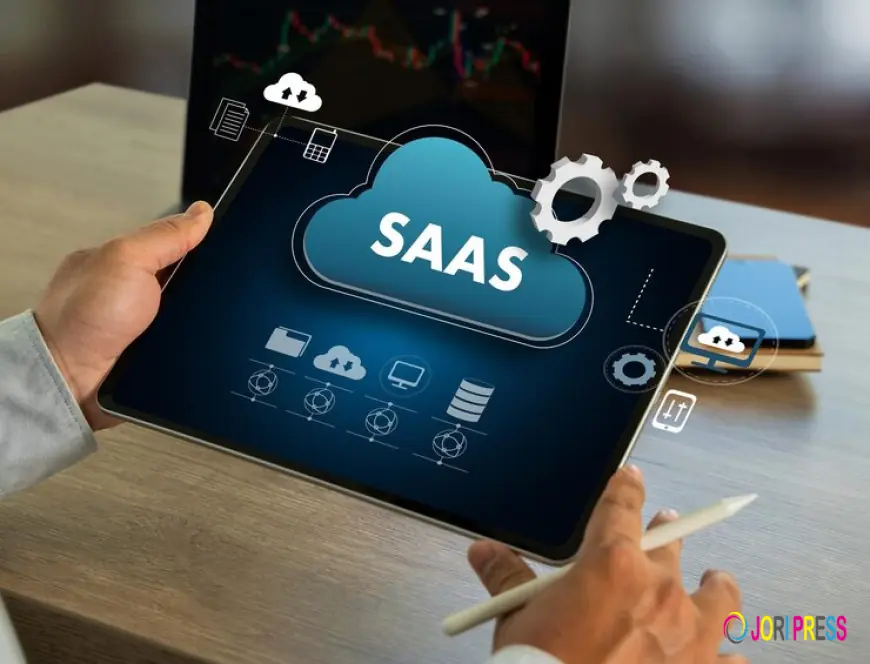
The way businesses deliver value has undergone a profound transformation over the past decade. Traditional software models, which relied on large upfront licensing fees and one-time purchases, are giving way to subscription-based approaches. This shift is not limited to software alone; it spans media, logistics, healthcare, and even consumer products. The underlying principle is simple: customers pay for ongoing access and continuous value rather than a static product.
The subscription economy has surged because it aligns with both business and customer needs. Customers benefit from lower upfront costs, flexible plans, and continuous updates. Businesses gain predictable, recurring revenue, which stabilises cash flow, improves financial forecasting, and enables strategic growth investments.
Software-as-a-Service (SaaS) applications have become the backbone of this model. By leveraging cloud infrastructure, multi-tenant architectures, and automated billing systems, SaaS platforms make it possible to manage subscriptions at scale while delivering consistent customer experiences. Companies like Appnox specialize in SaaS Application Development, helping organisations design, deploy, and optimize subscription-based platforms that are secure, scalable, and customer-centric.
Understanding SaaS and Its Core Capabilities
SaaS, or Software-as-a-Service, refers to applications hosted in the cloud and delivered over the internet, eliminating the need for customers to install or maintain software locally. Unlike traditional software, which requires one-time purchases and manual upgrades, SaaS provides ongoing access to applications via a subscription, with updates, maintenance, and scalability handled centrally.
Key characteristics of SaaS that enable subscription models include:
-
Cloud delivery: Applications are accessible anywhere, anytime, providing global reach and easy onboarding.
-
Multi-tenancy: A single application instance serves multiple customers, allowing for efficient updates and cost management.
-
Scalability: SaaS platforms can grow with demand, handling increasing users and workloads without disruption.
-
Automation: Billing, user management, updates, and analytics are automated, which is critical for recurring revenue models.
For businesses seeking to adopt subscription-based revenue models, SaaS provides the technological and operational foundation to make it seamless and scalable.
The Economics of Subscription Models
Subscription-based business models fundamentally change the financial dynamics of software and service delivery. Instead of relying on large upfront payments, businesses earn recurring revenue over time, which provides more predictable cash flow and long-term financial stability.
Customer Lifetime Value (CLV) becomes a central metric in subscription models. By focusing on retaining customers and increasing engagement, businesses can maximise revenue over the lifespan of a relationship rather than focusing solely on one-time sales. Lower entry costs attract more users, expand market reach, and reduce barriers to adoption.
Moreover, recurring revenue allows companies to invest continuously in product development, customer support, and innovation, creating a virtuous cycle where customer satisfaction drives retention, which in turn drives revenue growth. SaaS platforms, when designed effectively, provide the tools to measure, track, and optimize these economic levers in real time.
How SaaS Platforms Support Flexible Subscription Structures
A significant advantage of SaaS applications is their ability to support flexible subscription structures that match customer needs. Unlike traditional licensing, SaaS platforms can implement tiered, modular, freemium, and usage-based models with automated billing and analytics.
Tiered and modular pricing allows companies to offer multiple levels of service, appealing to small, medium, and enterprise users simultaneously. Customers can select plans that suit their needs and upgrade as their requirements evolve.
Freemium and trial-to-paid conversions are powerful tools for acquiring users and nurturing them toward paid subscriptions. SaaS applications can monitor usage patterns during trial periods, identifying engaged users and triggering personalised conversion prompts.
Usage-based billing ensures customers pay proportionally to their consumption, aligning value with cost. This model is particularly effective for cloud resources, storage, or API-heavy platforms.
Automated recurring payments, invoicing, and plan management reduce administrative burdens while improving accuracy, transparency, and customer satisfaction. Through SaaS Application Development, Appnox helps organisations implement these structures seamlessly, ensuring operational efficiency and a smooth customer journey.
Enabling Customer-Centric Experiences Through SaaS
Subscription models are most successful when customers perceive ongoing value. SaaS applications enable continuous engagement by providing tools for personalisation, analytics, and proactive communication.
During onboarding, SaaS platforms can guide users through a tailored experience based on their role, preferences, or usage patterns. Once onboarded, applications track engagement metrics to identify areas for improvement or opportunities to introduce higher-value features.
Notifications, alerts, and self-service portals enhance customer support by delivering assistance proactively rather than reactively. Continuous feature updates, security improvements, and UX enhancements reinforce the perception of ongoing value, justifying recurring fees and reducing churn.
Appnox approach to SaaS Application Development emphasises these customer-centric experiences, ensuring that each subscription delivers measurable value and satisfaction.
Analytics and Insights for Subscription Management
One of the defining advantages of SaaS applications is the ability to generate and analyse data at scale. Usage patterns, engagement metrics, and revenue analytics provide actionable insights that inform both business and product strategies.
By monitoring how customers interact with the platform, businesses can predict churn, optimize pricing, and tailor features to user needs. Real-time dashboards and automated reporting allow decision-makers to adjust marketing, sales, and product strategies dynamically.
This data-driven approach ensures that subscription models remain profitable and customer-focused, turning SaaS applications into strategic tools rather than merely operational software.
Scalability and Reliability in SaaS Subscription Models
A subscription model’s success depends on the ability to deliver consistent, reliable service to potentially millions of customers simultaneously. SaaS applications built with scalability in mind can handle growing user bases, increased data volumes, and evolving business requirements without performance degradation.
Multi-tenant architectures allow resources to be shared efficiently while maintaining data isolation between customers. Cloud-based infrastructure provides elasticity, ensuring the platform can scale up or down as demand fluctuates. High availability, redundancy, and automated monitoring further ensure that customers receive uninterrupted service, reinforcing trust and loyalty.
Security and Compliance Considerations
Trust is paramount in subscription-based models. Customers need confidence that their data is secure, payments are protected, and regulatory requirements are met.
SaaS platforms must incorporate security at every level, from encryption of data in transit and at rest to secure authentication and access management. Compliance with global regulations such as GDPR, HIPAA, and PCI-DSS is critical for maintaining credibility, especially in industries handling sensitive information.
Appnox embeds security and compliance into every phase of SaaS Application Development, enabling subscription platforms to deliver peace of mind alongside functionality.
Industry Applications of SaaS Subscription Models
SaaS subscription models are now ubiquitous across industries. In FinTech, recurring software services enable digital banking, investment management, and payment processing with predictable revenue. In healthcare, subscription-based telemedicine platforms provide continuous patient engagement and monitoring. Retail and logistics leverage SaaS for inventory management, customer analytics, and omnichannel operations. Enterprise collaboration platforms deliver productivity tools through subscription models, ensuring constant updates and improvements without disrupting workflows.
Best Practices for Launching a SaaS Subscription Model
Launching a successful subscription-based platform requires more than just technology. It involves strategic planning around pricing, customer onboarding, engagement, and analytics. SaaS applications should guide users through value discovery, provide ongoing insights, and adapt as user needs evolve. Continuous measurement of engagement, revenue, and satisfaction allows businesses to refine offerings and maximise lifetime value. Partnering with experienced development teams like Appnox ensures that every technical and strategic element is implemented effectively, from billing systems to feature management.
Challenges & How to Overcome Them
Despite its advantages, subscription-based SaaS models present challenges. Customer churn, scaling infrastructure, feature prioritisation, and regulatory compliance all require careful planning. By leveraging analytics, automation, and cloud-based infrastructure, these challenges can be managed proactively. Security and compliance must be embedded into the platform from the outset, while engagement strategies must focus on delivering tangible, ongoing value. Appnox SaaS Application Development services help businesses navigate these complexities, ensuring sustainable growth and customer satisfaction.
Conclusion
Subscription-based business models have redefined how software and services are delivered. SaaS applications are the enabler, providing the technological foundation to implement flexible pricing, continuous engagement, real-time analytics, and scalable operations. By adopting subscription models, businesses achieve predictable revenue, stronger customer relationships, and the ability to innovate continuously.
At Appnox, our SaaS Application Development services help organisations transform their products into subscription-based platforms that are secure, scalable, and customer-centric. With the right technology, strategy, and execution, subscription models can drive growth, loyalty, and long-term competitive advantage in the modern digital economy.
What's Your Reaction?
 Like
0
Like
0
 Dislike
0
Dislike
0
 Love
0
Love
0
 Funny
0
Funny
0
 Angry
0
Angry
0
 Sad
0
Sad
0
 Wow
0
Wow
0