






































Recognizing Normal Wound Healing Stages
Proper wound care helps protect the wound from infection while creating the ideal environment for tissue repair.

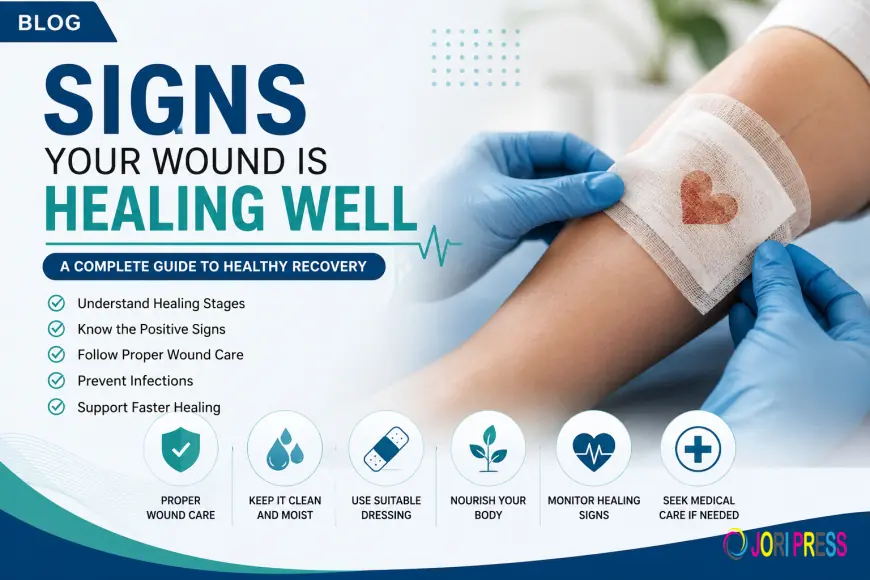
Proper wound healing is a gradual biological process that restores damaged skin and underlying tissue after an injury. Whether the wound is caused by surgery, diabetes, burns, pressure ulcers, or accidental trauma, understanding the signs your wound is healing can help you monitor recovery and identify when medical attention is needed. With proper wound care, suitable wound dressing, and regular monitoring, most wounds heal successfully while minimizing complications.
Understanding Wound Healing
Wound healing is the body's natural process of repairing damaged tissue. The healing process occurs in several stages and may vary depending on the wound size, location, overall health, and underlying medical conditions. Healthy healing generally follows a predictable pattern, and recognizing these positive changes provides reassurance that recovery is progressing normally.
Proper wound care helps protect the wound from infection while creating the ideal environment for tissue repair.
Stages of Wound Healing
The body repairs wounds through four important stages:
1. Hemostasis
Immediately after injury, bleeding stops as blood clotting begins. This protects the wound while preparing the body for tissue repair.
2. Inflammatory Stage
During this stage, white blood cells remove bacteria and damaged tissue. Mild redness, warmth, and slight swelling are normal signs that the immune system is working.
3. Proliferation Stage
New tissue begins forming inside the wound. Healthy granulation tissue appears pink or red, and the wound gradually becomes smaller.
4. Maturation Stage
The final stage strengthens newly formed tissue as the skin continues remodeling over several weeks or months.
Positive Signs Your Wound Is Healing
Understanding the signs your wound is healing allows patients to monitor progress with confidence.
Reduced Pain
Pain generally decreases as inflammation subsides and healthy tissue develops.
Less Swelling
Mild swelling is normal initially but should gradually reduce during recovery.
Healthy Granulation Tissue
Fresh pink or red tissue inside the wound indicates active wound healing.
Smaller Wound Size
The wound edges slowly move together as new skin develops.
Reduced Drainage
Healthy wounds gradually produce less fluid over time.
No Bad Odor
A healing wound should not produce a persistent unpleasant smell.
Formation of New Skin
As healing progresses, new skin gradually covers the wound surface.
Importance of Proper Wound Care
Effective wound care supports every stage of healing by reducing infection risk and protecting new tissue.
Good wound care includes:
-
Gentle wound cleansing
-
Timely wound dressing changes
-
Moisture balance management
-
Infection prevention
-
Pressure relief where necessary
-
Regular wound assessment
-
Following healthcare advice
Proper care significantly improves healing outcomes.
Role of Wound Dressing
Selecting the correct wound dressing is essential for successful wound healing.
Quality dressings help:
-
Protect against bacteria
-
Maintain moisture balance
-
Absorb excess drainage
-
Reduce tissue damage
-
Improve patient comfort
-
Promote healthy tissue growth
The appropriate dressing depends on wound size, depth, drainage, and healing stage.
Nutrition Supports Wound Healing
The body requires adequate nutrients for efficient tissue repair.
Important nutrients include:
-
Protein
-
Vitamin C
-
Vitamin A
-
Zinc
-
Iron
-
Adequate fluids
Balanced nutrition strengthens immunity while supporting collagen production and skin regeneration.
Wound Healing in People with Diabetes
Individuals living with diabetes often experience slower wound healing because poor circulation and elevated blood sugar reduce tissue repair.
Proper diabetic wound care includes:
-
Daily foot inspection
-
Blood sugar management
-
Appropriate wound dressing
-
Infection prevention
-
Pressure reduction
-
Regular medical follow-up
Early intervention significantly improves healing outcomes.
Signs That Require Medical Attention
Although many wounds heal normally, certain symptoms indicate the need for professional evaluation.
Seek medical care if you notice:
-
Increasing redness
-
Severe swelling
-
Thick yellow or green drainage
-
Foul odor
-
Fever
-
Increasing pain
-
Black tissue
-
Delayed healing
-
Wound enlargement
Early treatment helps prevent complications.
Preventing Wound Healing Problems
Simple preventive measures improve recovery.
Recommended practices include:
-
Keep wounds clean
-
Change dressings regularly
-
Wash hands before wound care
-
Eat a healthy diet
-
Stay hydrated
-
Avoid smoking
-
Control diabetes effectively
-
Avoid unnecessary pressure on wounds
-
Attend regular follow-up appointments
These habits encourage healthy tissue repair.
Long-Term Wound Care
Even after wounds close, continued skin care remains important.
Patients should continue monitoring healed areas, maintain healthy nutrition, protect fragile skin, and seek medical advice if new symptoms appear. Individuals with chronic illnesses should remain especially vigilant to prevent recurrence.
Conclusion
Recognizing the signs your wound is healing helps patients understand whether recovery is progressing normally. Positive indicators such as reduced pain, healthy granulation tissue, smaller wound size, and new skin formation suggest successful wound healing. Consistent wound care, proper wound dressing, healthy nutrition, and early medical attention when necessary all contribute to better healing outcomes. Whether recovering from surgery, injury, diabetic wounds, or pressure ulcers, following a structured wound care routine supports faster recovery, minimizes complications, and promotes long-term skin health.
What's Your Reaction?
 Like
0
Like
0
 Dislike
0
Dislike
0
 Love
0
Love
0
 Funny
0
Funny
0
 Angry
0
Angry
0
 Sad
0
Sad
0
 Wow
0
Wow
0