







































Popular Pulses Brands in India for Everyday Cooking
Explore popular pulses brands in India, learn how to compare pulse quality, and discover practical tips for choosing reliable suppliers and manufacturers.

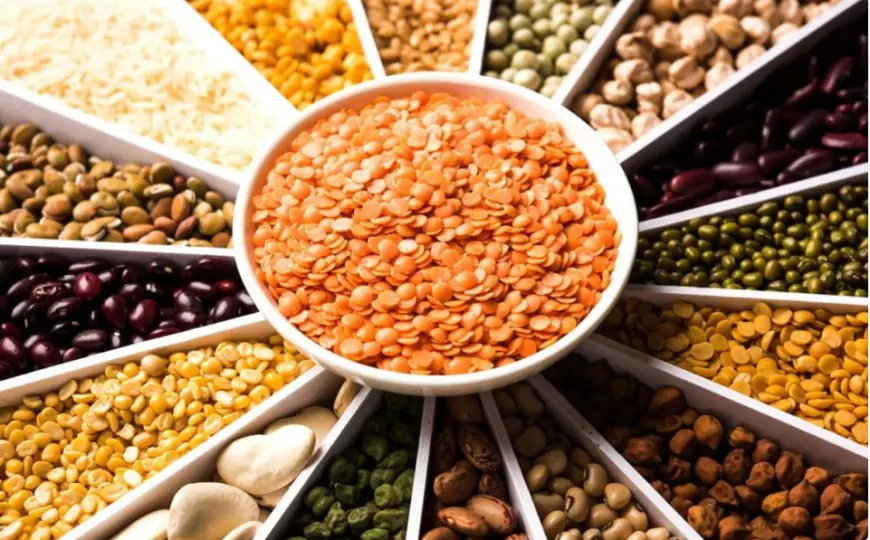
Pulses are an essential part of everyday Indian cooking, providing plant-based protein, dietary fibre, and important nutrients. From dal tadka and rajma to chole and khichdi, pulses are used in a wide variety of traditional dishes across the country. As consumers become more conscious of food quality, hygiene, and nutritional value, choosing a reliable Pulses Brand in India has become an important consideration for households, retailers, and food businesses.
The Indian market offers numerous options, including packaged pulses brands, regional suppliers, wholesalers, and large-scale agricultural processors. However, not all products are identical. Factors such as grain quality, processing methods, packaging, storage conditions, and traceability can influence the overall quality of pulses.
Understanding these factors helps consumers make informed purchasing decisions. It also provides valuable insights into the role of agricultural businesses, including Valency Agro, in India's wider agricultural supply chain.
Why Are Pulses Important in Everyday Indian Cooking?
Pulses include dried edible seeds of legumes, such as lentils, chickpeas, pigeon peas, mung beans, and kidney beans. They are widely consumed because they are versatile, affordable, and suitable for many regional cuisines.
Their nutritional composition makes them a valuable part of a balanced diet. Depending on the variety, pulses provide protein, complex carbohydrates, dietary fibre, iron, folate, and other essential nutrients.
Common examples include:
-
Toor dal: Commonly used for sambar, dal fry, and everyday dal preparations.
-
Moong dal: Popular for khichdi, soups, and light meals.
-
Masoor dal: Often used in quick-cooking curries and lentil soups.
-
Chana dal: Suitable for traditional dals, snacks, and regional recipes.
-
Chickpeas: Used in chole, salads, curries, and other dishes.
-
Urad dal: An important ingredient in idli, dosa, and several traditional preparations.
-
Rajma: Commonly used in kidney bean curry and other protein-rich meals.
Because different varieties have different cooking properties and nutritional profiles, selecting the right pulse is as important as selecting a reliable supplier.
What Makes a Reliable Pulses Brand in India?
Choosing a Pulses Brand in India involves more than comparing prices or packaging. Consumers should evaluate several quality indicators before purchasing.
1. Consistent Grain Quality
Quality pulses generally have a uniform appearance appropriate to their variety, with minimal foreign matter, excessive broken grains, and visible damage. Natural variations can occur, but unusually high levels of impurities or damaged grains may indicate poor handling or processing.
Buyers should check product descriptions, packaging information, and quality specifications where available.
2. Hygienic Processing and Sorting
Cleaning, grading, and sorting help remove unwanted materials and improve consistency. Depending on the product and processing facility, additional steps may be used to meet relevant product specifications.
A reliable supplier should be able to explain its quality-control procedures and provide appropriate documentation when requested.
3. Safe Packaging and Storage
Pulses should be packed in clean, food-grade packaging that protects them from moisture, contamination, and pests. Packaging should display relevant information, including the product name, net quantity, batch details, and applicable food labelling information.
At home, store pulses in airtight containers in a cool, dry place away from direct sunlight and moisture.
4. Traceability and Supplier Reliability
Traceability helps buyers understand where products come from and how they move through the supply chain. For retailers and bulk purchasers, reliable documentation, consistent deliveries, and clear communication are particularly important.
Businesses should also check whether suppliers maintain the licences, certifications, and records applicable to their operations.
5. Fair Pricing and Product Value
The cheapest option is not always the most economical. Buyers should compare the price per kilogram, usable quantity, grain condition, packaging, and cooking performance.
A product offering consistent quality and less wastage may provide better overall value than a lower-priced alternative.
Popular Pulses Brands in India: What Should Consumers Compare?
India's pulses market includes consumer-facing packaged brands as well as agricultural processors, traders, and bulk suppliers. These categories serve different purposes, so it is useful to understand the distinction before making a purchase.
Packaged brands generally focus on retail-ready products, consumer packaging, product information, and distribution through shops or online channels. Bulk suppliers and processors may primarily serve wholesalers, retailers, food manufacturers, distributors, and institutional buyers.
Rather than relying solely on brand popularity, consumers can compare pulses brands using a consistent checklist:
-
Product range and availability of preferred varieties.
-
Grain cleanliness and consistency.
-
Packaging quality and declared net weight.
-
Batch identification and traceability.
-
Applicable food safety compliance.
-
Price relative to product quality.
-
Customer service and complaint-handling procedures.
Brand recognition can be useful, but it should not replace an assessment of the actual product and the information provided by the seller.
Understanding the Role of Top Pulses Manufacturers in India
The work of Top Pulses Manufacturers in India extends beyond purchasing and selling agricultural commodities. Depending on their business model, manufacturers and processors may be involved in sourcing raw pulses, cleaning, grading, dehusking, splitting, quality assessment, packaging, and distribution.
Processing requirements vary by pulse variety and intended use. For example, whole green gram and split moong dal have different physical characteristics and preparation requirements.
An organised processing operation can help improve product consistency by establishing clear specifications and quality checks. However, the presence of modern equipment alone does not guarantee product quality. Appropriate operating procedures, trained personnel, hygienic facilities, and effective storage practices are also important.
Manufacturers and processors also depend on agricultural supply chains, which connect farmers, aggregators, transporters, warehouses, distributors, and retailers. Seasonal availability, weather conditions, crop yields, and transportation costs can affect supply and pricing.
For consumers, understanding this process explains why the quality and price of pulses may vary between locations, suppliers, and harvest periods.
How to Identify the Best Pulses Suppliers in India
For businesses buying pulses in bulk, selecting among the Best Pulses Suppliers in India requires a more detailed assessment than ordinary household shopping.
The following steps can help retailers, distributors, and food businesses make a better decision.
Verify Business Credentials
Check the supplier's business details and relevant registrations. Where applicable, verify food business licensing and other regulatory requirements through appropriate official sources.
Request Product Specifications
Ask for details such as pulse variety, grade, moisture specifications, acceptable foreign matter, packaging options, and quality parameters. Requirements should be agreed upon before an order is placed.
Evaluate Quality Documentation
Depending on the product and transaction, request available inspection reports, certificates of analysis, batch details, or other supporting documents. Verify the scope and validity of any certification claimed by the supplier.
Assess Supply Capacity
A supplier should be able to explain expected order quantities, lead times, delivery arrangements, and how it manages seasonal fluctuations. Businesses with regular requirements should evaluate consistency over multiple orders rather than relying on a single successful delivery.
Compare Total Procurement Costs
In addition to the quoted product price, consider freight, packaging, handling, payment terms, storage requirements, and possible losses from damaged or unsuitable stock.
These checks help businesses build dependable sourcing relationships and reduce avoidable procurement risks.
Valency Agro and India's Agricultural Supply Chain
Valency Agro operates in the broader agricultural commodities sector, where sourcing, processing, and the movement of agricultural products connect producers with commercial markets.
Understanding businesses such as Valency Agro helps explain the different roles within the agricultural value chain. The companies involved in this sector may work with commodity sourcing, supply-chain coordination, processing, storage, and distribution, depending on their specific operations.
For buyers researching a Pulses Brand in India, it is important to distinguish between a retail brand, a processor, a commodity trader, and a bulk supplier. These businesses can participate in the same supply chain while offering different products and services.
Before selecting Valency Agro or any other business for a specific requirement, buyers should confirm its current product portfolio, availability of particular pulse varieties, applicable certifications, and supply terms directly with the company. This helps ensure that purchasing decisions are based on verified information rather than assumptions about a company's offerings.
The same principle applies to all agricultural suppliers: evaluate the product, documentation, quality standards, and suitability for your intended use.
Tips for Buying and Storing Pulses at Home
Even good-quality pulses require proper handling after purchase. Follow these practical steps to preserve their condition.
-
Inspect the packaging: Avoid packs with tears, signs of moisture, or visible pest contamination.
-
Check product details: Review the variety, net weight, batch information, and applicable date markings.
-
Use airtight containers: Transfer opened pulses into clean, dry containers with secure lids.
-
Keep them dry: Moisture can encourage spoilage and mould growth.
-
Rotate stored stock: Use older supplies first, provided they remain in good condition.
-
Wash before cooking: Rinse pulses as appropriate for the recipe and product instructions.
-
Cook safely: Follow suitable cooking practices, especially for kidney beans, which require thorough cooking to reduce naturally occurring lectins.
Proper storage and preparation help maintain quality and make everyday meals more convenient.
Conclusion
Choosing from the many pulses brands available in India becomes easier when consumers focus on measurable quality factors rather than popularity alone. Grain consistency, hygienic processing, appropriate packaging, traceability, supplier reliability, and fair pricing all contribute to a better purchasing decision.
Understanding the difference between retail brands, processors, and bulk suppliers is equally important. While households may prioritise convenience and packaging, retailers and food businesses often need additional information about specifications, supply capacity, and documentation.
Whether researching a Pulses Brand in India, comparing the Best Pulses Suppliers in India, or learning about the Top Pulses Manufacturers in India, buyers should verify product details and choose suppliers that meet their specific requirements. Agricultural businesses such as Valency Agro form part of the wider ecosystem that connects agricultural commodities with commercial markets.
An informed approach to purchasing helps consumers select suitable pulses for everyday cooking while enabling businesses to develop more reliable and transparent sourcing practices.
Frequently Asked Questions
1. Which is the best pulses brand in India for everyday cooking?
The best choice depends on the pulse variety, grain quality, packaging, availability, price, and the seller's quality-control practices. Compare these factors before selecting a brand rather than relying only on popularity or advertising.
2. How can I choose a reliable Pulses Brand in India?
Check grain appearance, packaging integrity, batch information, product specifications, and applicable food safety compliance. For bulk purchases, also evaluate supplier documentation, delivery reliability, and consistency across orders.
3. What should businesses look for in the best pulses suppliers in India?
Businesses should assess product specifications, quality documentation, order capacity, pricing, logistics, payment terms, and relevant licences. Sample testing and a trial order can help assess suitability before entering into a larger supply agreement.
4. What is the difference between pulses manufacturers and pulses suppliers?
Manufacturers or processors may clean, grade, dehusk, split, or package pulses. Suppliers may source and distribute pulses without processing them directly. Some businesses perform both roles, so buyers should confirm the services and capabilities of each company.
5. What role does Valency Agro play in the pulses supply chain?
Valency Agro operates in the agricultural commodities sector. Buyers interested in specific pulses should verify the company's current product offerings, sourcing arrangements, quality documentation, and supply terms directly before placing an order.
What's Your Reaction?
 Like
0
Like
0
 Dislike
0
Dislike
0
 Love
0
Love
0
 Funny
0
Funny
0
 Angry
0
Angry
0
 Sad
0
Sad
0
 Wow
0
Wow
0