







































Paddle Wheel Aerator Water Cooling for Pond Management


Managing water conditions is an important part of maintaining a productive aquaculture environment. As stocking plans, feeding routines, and seasonal conditions change, operators need to pay attention to water movement and oxygen distribution. Paddle Wheel Aerator Water Cooling is a topic worth considering when planning equipment for ponds that experience changing temperatures and water conditions. By understanding how Paddle Wheel Aerator Water Cooling relates to pond operation, farm managers can make more informed decisions about equipment arrangements, daily management, and seasonal preparation.
Understand the Relationship Between Water Movement and Temperature
Pond water does not always maintain the same temperature throughout the day. Sunlight, weather conditions, water depth, and surrounding environments can influence temperature differences within a pond. These changes may affect how water circulates and how oxygen is distributed.
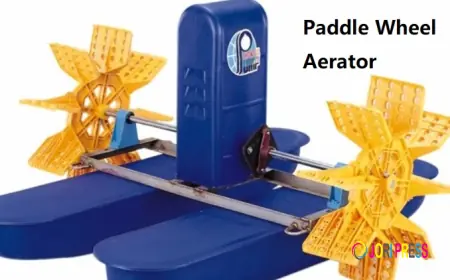
Paddle wheel equipment creates surface movement through rotating blades. This movement helps circulate water and encourages contact between water and the surrounding air. However, operators should understand that aeration equipment is not a dedicated refrigeration system. Its effect on pond temperature depends on local conditions, operating patterns, and the physical characteristics of the water body.
Monitoring water temperature at different locations and depths can help operators understand daily variations. Keeping these observations alongside equipment operating records provides useful information for future management decisions.
Consider Pond Layout Before Equipment Placement
The shape and size of a pond influence how water moves. Irregular boundaries, internal partitions, water inlets, and existing equipment may affect circulation patterns. Before installing an aerator, farm managers should review the pond layout and identify areas where water movement may be limited.
Equipment placement should also consider access for inspection and routine maintenance. Operators need enough space to check rotating components, electrical connections, and supporting structures safely. A clear maintenance route can reduce disruption during daily farm operations.
For farms with several ponds, it may be useful to create a simple equipment layout for each site. These records can show where units are positioned and help staff communicate when equipment needs to be inspected, moved, or serviced.
Explore Equipment Planning with ChinaAerator
Selecting suitable equipment requires more than comparing product appearance. Buyers should review pond dimensions, operating conditions, power arrangements, expected usage, and maintenance requirements before making a purchasing decision.
ChinaAerator provides a product range for buyers exploring aquaculture aeration equipment. When discussing a project with a supplier, customers can prepare information about pond size, water depth, existing equipment, and intended operating schedules. These details help make product discussions more focused.
It is also sensible to ask about product specifications, installation guidance, spare parts, and after-sales support arrangements. Keeping supplier responses in a written record allows purchasing teams and farm operators to review the same information before confirming an order.
Connect Daily Monitoring with Operating Records
Equipment operation should be considered alongside regular pond observation. Farm staff can record water temperature, dissolved oxygen readings, weather conditions, and equipment operating hours. These records help identify patterns that may not be obvious from occasional checks.
For example, operators may compare observations from different times of day or review changes during warmer periods. If readings vary between pond locations, the team can investigate whether water circulation, pond depth, or other environmental factors may be involved.
A consistent recording method also helps different staff members share information. Simple logs, clearly labeled measurement points, and regular review meetings can make daily management more organized. When unusual conditions occur, documented observations provide a useful starting point for further investigation.
Prepare for Seasonal Changes and Maintenance
Seasonal planning can help aquaculture businesses manage equipment more effectively. Before warmer or cooler periods arrive, operators can review maintenance schedules, inspect equipment condition, and check whether replacement components are available.
Routine checks may include examining blades, fasteners, protective covers, cables, and other accessible parts according to the manufacturer's instructions. Any unusual vibration, noise, or operating change should be investigated by qualified personnel before normal use continues.
What's Your Reaction?
 Like
0
 Dislike
0
 Love
0
 Funny
0
 Angry
0
 Sad
0
 Wow
0