






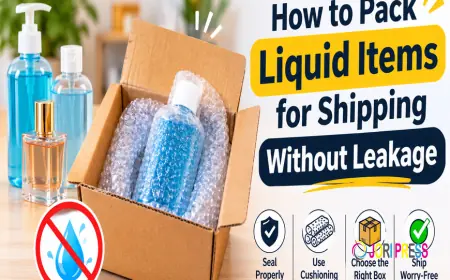































How to Pack Liquid Items for Shipping Without Leakage
Liquids can move during transit, pressure can change, and packages may be handled or placed in different positions. Therefore, proper sealing, protective packaging and choosing the right shipping method are essential.

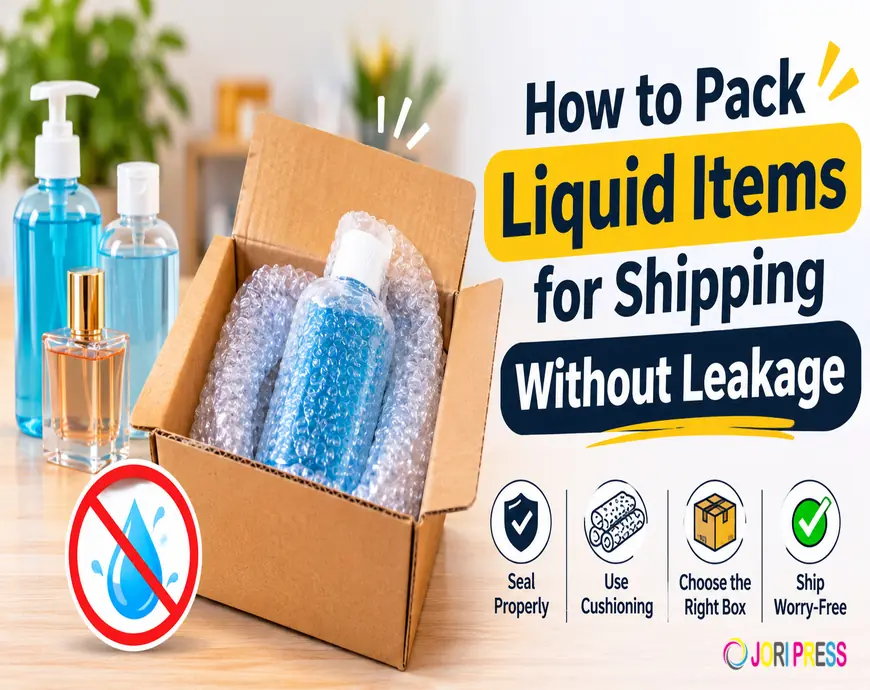
Shipping liquid products requires more attention than packing ordinary parcels. Whether you are sending skincare products, cooking oils, sauces, beverages, cleaning supplies or other liquid goods, even a small leak can damage the package and affect other shipments.
The biggest challenge is not simply closing the bottle tightly. Liquids can move during transit, pressure can change, and packages may be handled or placed in different positions. Therefore, proper sealing, protective packaging and choosing the right shipping method are essential.
If you want to know how to pack liquid items for shipping without leakage, follow these practical steps to prepare your shipment safely.
1. Choose the Right Container for the Liquid
The first step is selecting a suitable container. The packaging should be strong enough to hold the liquid without cracking, breaking or opening during transportation.
Consider the following options:
-
Plastic bottles: Suitable for many non-hazardous liquids, provided they are compatible with the product and have secure closures.
-
Glass bottles: Useful for products that require glass packaging, but they need additional cushioning and rigid outer protection.
-
Leak-resistant containers: Choose containers with secure screw caps, tamper-evident seals or suitable leak-resistant closures.
Avoid using damaged, cracked or previously weakened containers. Also, make sure the container material is compatible with the liquid being shipped.
2. Seal the Bottle Cap Properly
A tightly closed bottle can significantly reduce the risk of leakage. However, the cap alone may not provide sufficient protection during long-distance transportation.
Before packing:
-
Check that the cap fits securely.
-
Clean any liquid residue around the bottle opening.
-
Use a compatible seal, such as a suitable liner or tamper-evident seal.
-
If appropriate for the product, secure the cap with waterproof sealing tape.
-
Check the container for any signs of leakage.
Do not rely on ordinary tape as the only protection against spills. The primary closure must be designed to prevent the liquid from escaping.
3. Use a Separate Leak-Proof Layer
One of the most effective ways to prevent liquid from spreading inside a parcel is to use secondary containment.
Place each sealed container inside a strong, leak-resistant plastic bag or suitable sealed pouch. If you are shipping multiple bottles, pack them separately so that a leak from one container does not affect the others.
You can also use absorbent material around the container where appropriate. This helps contain small accidental spills, although it should never replace proper sealing.
For commercial shipments, choose packaging that is suitable for the liquid type, quantity and applicable transport requirements.
4. Add Protective Cushioning Around the Container
Liquid containers can move inside a parcel during transportation. This movement can loosen closures, cause bottles to collide or damage fragile packaging.
To reduce these risks, use suitable cushioning materials such as:
-
Bubble wrap
-
Foam sheets or protective inserts
-
Corrugated cardboard dividers
-
Moulded packaging inserts
Wrap each bottle individually, especially when shipping glass containers. Leave enough protective space between multiple bottles to prevent direct contact.
If you are shipping fragile or valuable products, explore professional packing and shipping services from MBE Delhi to discuss suitable packaging options for your shipment.
5. Select a Strong Outer Shipping Box
The outer box provides another layer of protection against handling pressure and accidental impact.
Choose a corrugated cardboard box that can comfortably accommodate the containers, protective wrapping and cushioning material. Avoid oversized boxes because extra space allows items to move around during transit.
Follow these packing practices:
-
Use a sturdy, undamaged corrugated box.
-
Place heavier containers at the bottom when the packaging design permits.
-
Keep bottles separated using dividers or inserts.
-
Fill empty spaces with suitable cushioning material.
-
Reinforce the bottom and top of the box with strong packing tape.
The containers should remain stable when the closed box is gently moved.
6. Keep the Package Upright When Required
Some liquid products need to remain in an upright position during transportation. If this applies to your product, mark the package clearly with appropriate orientation instructions, such as "This Side Up" or "Keep Upright".
However, remember that handling labels are instructions, not a guarantee that the parcel will always remain in the indicated position. Your packaging should still be able to protect the contents if the package is tilted or temporarily placed on its side.
Never depend on external labels as a substitute for leak-proof internal packaging.
7. Check Shipping Rules Before Booking
Not every liquid product is accepted by every courier company or transport service. Certain liquids may be restricted or prohibited because of their chemical composition, flammability, corrosive properties or other safety concerns.
Before booking your shipment, confirm:
-
Whether the liquid is permitted on the selected route.
-
Whether the courier accepts the product category.
-
Whether special packaging or documentation is required.
-
Whether quantity limits apply.
-
Whether temperature-controlled transportation is necessary.
For international shipments, requirements can vary depending on the destination country, carrier and transport mode. Review the available international shipping solutions and confirm the product's eligibility before dispatch.
8. Label and Document the Shipment Correctly
Accurate shipment information helps logistics providers understand what is being transported and determine the appropriate handling requirements.
Depending on the product and route, you may need to provide:
-
A clear description of the liquid.
-
The quantity and net weight.
-
The declared value.
-
The sender's and recipient's details.
-
A commercial invoice and packing list for applicable business shipments.
-
Any required safety or product-specific documents.
Do not mislabel a liquid shipment or hide its contents to avoid restrictions. Accurate declarations are important for transport safety and customs compliance.
9. Conduct a Final Packaging Check
Before handing over the parcel, take a few minutes to inspect the complete package.
Use this final checklist:
- The container is suitable and undamaged.
- The cap is properly secured.
- The container has secondary leak protection.
- Each bottle is individually protected.
- Sufficient cushioning has been added.
- The outer box is strong and properly sealed.
- Required labels and documents are attached.
- The courier has confirmed that the liquid is acceptable.
A final inspection can help identify packaging problems before the shipment enters the transportation network.
Common Mistakes to Avoid When Shipping Liquids
Even carefully packed products can leak if basic precautions are overlooked. Avoid these common mistakes:
Using weak containers: Thin or damaged bottles may crack under pressure or impact.
Packing multiple bottles together: Containers that touch each other can break or become damaged during handling.
Skipping secondary packaging: A sealed bottle without an additional leak-resistant layer can create a mess if the closure fails.
Using an oversized box: Too much empty space allows containers to move and collide.
Ignoring shipping restrictions: A product may be unsuitable for a particular carrier, destination or transport mode, regardless of how well it is packed.
Final Thoughts
Packing liquid items for shipping without leakage requires a combination of suitable containers, secure sealing, secondary containment, protective cushioning and a strong outer box. Each layer plays a different role in protecting the contents during transportation.
More importantly, always check whether the liquid is permitted before booking a shipment. This is particularly important for international deliveries, where carrier policies and destination-country regulations may differ.
If you need assistance with packaging or want to discuss a domestic or international shipment, Contact MBE Delhi with details about your product, quantity, dimensions and destination. The team can help you explore available shipping and packing options based on your requirements.
What's Your Reaction?
 Like
0
 Dislike
0
 Love
0
 Funny
0
 Angry
0
 Sad
0
 Wow
0