









































Monro Switch For Flexible Pump Applications

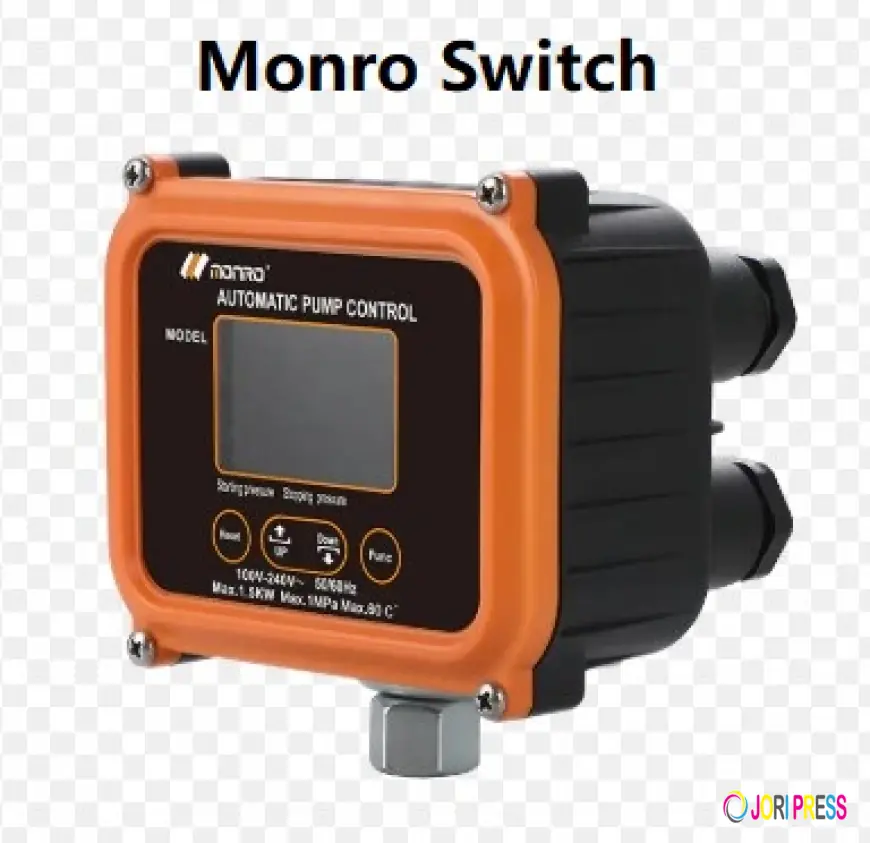
A well-designed water system needs more than a suitable pump; it also needs a control method that responds to changing demand. In many installations, a Monro Switch can become an important part of the control arrangement, while a properly selected Monro Switch can coordinate pump operation according to pressure, flow, or liquid-level conditions. This is useful for domestic water supply, irrigation, construction equipment, and water treatment systems where pump operation may change throughout the day. The right controller depends on factors such as motor power, starting pressure, working pressure, connection type, installation position, and required protection functions. Instead of choosing a control device simply because it fits the pipe, buyers can first understand how the entire water system behaves. This makes it easier to select a controller that matches the pump and supports a practical installation process.
Start With Pump And Pipeline Requirements
Every pump system has its own operating conditions. Motor power, pump lift, pipeline length, water consumption, and pressure requirements can influence the appropriate controller configuration. A control device that works for a small domestic pump may not be suitable for a higher-power application.
Starting pressure is another important consideration. A pressure-based system can activate the pump when pipeline pressure reaches its configured lower limit and stop it when pressure reaches the upper limit. Monro's KRS pressure switches are designed for on/off control of various pumps using this principle.
Before installation, buyers can therefore identify the pump's rated power and expected pressure range. Providing these details to a supplier can make model selection more straightforward.
Pressure And Flow Can Work Together
Pressure is useful for monitoring the condition of a water pipeline, but it does not always describe the complete operating situation. Flow can provide additional information about whether water is actually being consumed.
The EPC series uses dual control of pressure and flow, starting and stopping the pump according to detected water-source conditions, pipeline consumption, and pressure changes. The manufacturer describes this integrated design as an alternative to several traditional components in certain pump-control arrangements.
This type of control can be considered when users want automatic pump operation without relying entirely on manual switching. The specific controller still needs to match the pump's electrical and hydraulic requirements.
Monro Switch Options For Different Installations
Water systems can vary widely. A residential supply system may need straightforward automatic operation, while an irrigation installation may require different pressure settings and protection functions. Water treatment equipment can also have its own control requirements.
The product range includes automatic pump controllers, water-pump pressure switches, air-compressor pressure switches, and liquid-level switches. This gives system designers several product categories to consider according to the application.
Some models also provide different connection arrangements and control functions. For example, the EPC-10 includes an LCD display, manual and time modes, adjustable pressure settings, and a water-shortage alarm.
Protection Functions In Daily Operation
Pump controllers can do more than start and stop a motor. Depending on the model, additional functions can help respond to abnormal operating conditions.
Selected Monro controllers include features such as dry-run protection, automatic restart, pipeline leakage indication, and flow-switch protection. These functions can be useful in systems where uninterrupted water supply and pump protection need to be considered together.
The actual features differ between models, so buyers should review the specifications rather than assuming every controller provides the same functions. Electrical rating, working pressure, temperature range, connection size, and protection rating should all be checked before installation.
Planning A Practical Control Solution
A good control solution starts with clear technical information. Before contacting a supplier, users can prepare details about the pump model, motor power, pipeline arrangement, required pressure, water source, connection size, and expected operating conditions.
Installation requirements should also be considered. The controller needs to be positioned correctly within the hydraulic system, while electrical connections should be handled according to the applicable installation requirements. Clear product specifications can help installers avoid unnecessary adjustments after the equipment arrives.
What's Your Reaction?
 Like
0
Like
0
 Dislike
0
Dislike
0
 Love
0
Love
0
 Funny
0
Funny
0
 Angry
0
Angry
0
 Sad
0
Sad
0
 Wow
0
Wow
0