





































Medical Animation Companies: Services, Workflows, and Applications
Learn how leading medical animation companies create 3D visual assets, drug MoA animations, and surgical guides. Discover workflows and top medical animation USA services.

How do top healthcare brands, pharmaceutical companies, and medical device manufacturers explain microscopic cellular interactions or complex surgical procedures without losing their audience? Partnering with a specialized medical animation company bridges this gap by converting dense scientific data into clear, accurate, and visually compelling 3D animations.
Medical communication is moving away from static diagrams and lengthy whitepapers. Whether you are seeking FDA approval, launching a new therapeutic drug, or training surgical teams, high-definition medical animations transform abstract concepts into engaging visual stories that build trust and drive action.
What Services Do Medical Animation Companies Provide?
What services does a medical animation company offer? Medical animation companies provide specialized visual production services—including 3D cellular animation, Mechanism of Action (MoA) visualizers, surgical training videos, patient education graphics, and medical device walkthroughs—to translate complex health science into easily understandable media.
A professional studio offers a complete suite of specialized visualization services tailored to healthcare providers, life science companies, and medical technology firms:
1. 3D Biological and Cellular Animation
High-definition 3D rendering allows viewers to venture inside the human body at the cellular and molecular levels. Animators model anatomical structures with microscopic precision, depicting how viruses infect host cells, how gene therapies deliver payloads, or how tissue responds to disease.
2. Mechanism of Action (MoA) Animations
For pharmaceutical and biotech companies, explaining how a drug interacts with specific proteins or cellular receptors is crucial. MoA animations visually demonstrate pharmacokinetics and pharmacodynamics, turning complex biochemical pathways into intuitive visual proof-of-concept videos.
3. Surgical Procedure and Clinical Training Videos
Live-action surgical footage can be obscured by fluids, restricted angles, or tissue barriers. Medical animations isolate the surgical site, remove visual clutter, and highlight exact instrument placement, making them essential tools for clinical instruction and surgeon onboarding.
4. Medical Device Product Visualizations
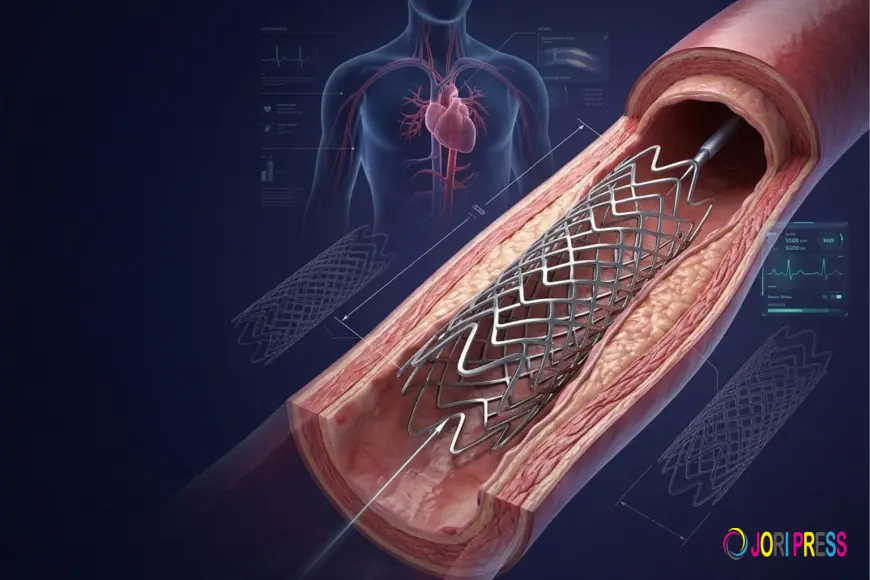
Medical device manufacturers rely on 3D animations to demonstrate how mechanical devices function within biological environments. From expanding vascular stents to orthopedic implant deployments, these visuals showcase structural design and functional performance.
5. Patient Education and Health Literacy Animations
Simplifying medical jargon is key to improving patient compliance and informed consent. Patient-focused animations explain upcoming surgeries, chronic condition management, and medication schedules in a clear, non-intimidating format.
How Does the Production Workflow of a Medical Animation Company Work?
Creating scientifically accurate and visually stunning animations requires a structured, multi-phase production workflow. Professional studios rely on both creative artists and medical writers to maintain scientific integrity at every step.
+-----------------------------------------------------------------------------------+
|                            MEDICAL ANIMATION PRODUCTION WORKFLOW                  |
+-----------------------------------------------------------------------------------+
| 1. Discovery & Scientific Research  --> Analyze research papers, clinical data   |
| 2. Scriptwriting & Storyboarding     --> Map out visual narrative & camera moves |
| 3. 3D Asset Modeling & Rigging       --> Build accurate anatomical/molecular models|
| 4. Animation, Lighting & Rendering   --> Simulate motion, textures, and depth     |
| 5. Voiceover, Sound & Final Polish   --> Add narrator, audio, and color grading   |
+-----------------------------------------------------------------------------------+
Phase 1: Discovery and Scientific Research
The workflow begins with a deep dive into the underlying science. Production teams review clinical trial data, peer-reviewed studies, molecular structures (PDB files), and CAD files from device engineers to establish absolute accuracy.
Phase 2: Scriptwriting and Storyboarding
Medical writers draft a balanced script that addresses the specific target audience—whether board-certified specialists or patients in a clinic waiting room. Simultaneously, visual artists build frame-by-frame storyboards detailing camera angles, visual effects, and scene transitions.
Phase 3: 3D Asset Modeling and Rigging
3D artists create custom biological models, texturing tissues, cellular membranes, and mechanical components. Rigging introduces digital skeletons to these assets, allowing realistic movement and organic deformation during motion sequences.
Phase 4: Animation, Lighting, and Rendering
Animators apply physics, fluid dynamics, and biological motion to bring the scene to life. Strategic lighting, volumetric effects, and camera movement direct the viewer's attention to the most critical scientific interactions.
Phase 5: Voiceover, Sound Design, and Post-Production
Professional voiceover talent narrates the script, while custom sound design adds subtle audio cues that enhance the visual experience. The final video is color-graded and exported into formats optimized for web, trade shows, broadcast, or mobile platforms.
Key Applications of Medical Animation Across Life Sciences
Specialized animation services are utilized across multiple sectors within the global healthcare market, which research estimates will exceed $1.4 billion in visual media demand over the coming years:
-
Pharmaceutical Marketing: Engaging physicians, regulatory panels, and investors at medical congresses with high-impact drug MoA presentations.
-
Medical Device Commercialization: Demonstrating minimally invasive tools and robotic platforms to hospital procurement officers and surgeons.
-
Clinical Trial Recruitment: Educating potential trial participants about study protocols, drug delivery methods, and safety measures.
-
Healthcare Professional (HCP) Education: Providing online, interactive continuing medical education (CME) modules for doctors and nursing staff.
-
Patient Communication & Telehealth: Equipping digital health platforms with accessible visual assets that improve health literacy and treatment compliance.
Featured Snippet: What Is the Primary Role of a Medical Animation Company?
What is the primary role of a medical animation company?
A medical animation company specializes in creating scientifically accurate 2D, 3D, and interactive motion graphics that visualize biological processes, human anatomy, medical devices, and drug mechanisms of action. By converting complex clinical data into clear visual stories, these studios help pharmaceutical brands, medical device makers, and healthcare providers educate patients, train clinicians, and market therapies effectively.
Comparing Internal Scientific Content vs. Professional Medical Animation
When communicating complex health concepts, healthcare organizations often choose between producing basic in-house diagrams or investing in professional 3D medical animation.
In-House Static Diagrams and Text Reports
-
Visual Engagement: Relies heavily on static 2D illustrations, slide decks, or text-heavy whitepapers.
-
Comprehension Speed: Low to moderate. Audiences must mentally translate 2D diagrams into dynamic biological functions.
-
Production Effort: Uses existing internal staff and lower immediate budgets, but often results in dense materials that struggle to capture attention.
-
Target Audience Suitability: Best suited for internal peer reviews or academic documentation where visual appeal is secondary.
Professional 3D Medical Animation
-
Visual Engagement: Utilizes high-definition 3D rendering, realistic lighting, fluid dynamics, and cinematic camera moves.
-
Comprehension Speed: High. Viewers immediately grasp complex cellular mechanisms, spatial relationships, and step-by-step procedures.
-
Production Effort: Requires external production expertise, but yields multi-use visual assets suitable for global marketing campaigns, investor pitches, and patient platforms.
-
Target Audience Suitability: Essential for investor pitches, physician sales enablement, commercial product launches, and patient education.
Common Mistakes When Hiring a Medical Animation Studio
To ensure your visual project achieves its strategic goals, avoid these frequent production traps:
-
Choosing a Generalist Studio Over a Medical Specialist: Standard 3D studios often lack understanding of biological accuracy, resulting in incorrect cellular scale, inaccurate protein interactions, or improper instrument handling.
-
Overcomplicating the Visual Message: Trying to pack every secondary biological interaction into a two-minute video creates visual noise that confuses the viewer.
-
Failing to Define the Target Audience Early: An animation tailored for a specialized surgeon will alienate a patient if used without adjustments to language and visual depth.
-
Delaying Medical Expert Review: Postponing expert review until late in the animation phase can lead to costly rework if core anatomical details are wrong.
-
Treating Animation as a One-Time Marketing Asset: Failing to plan for multi-channel repurposing (such as website snippets, social clips, or print stills) reduces overall return on investment.
Best Practices for Creating Impactful Medical Visuals
Following established design and production principles ensures your visual content delivers maximum clarity and value:
-
Prioritize Scientific Accuracy First: Validate every anatomical detail and molecular interaction with medical writers and subject matter experts before rendering.
-
Use Lighting and Color to Guide Focus: Employ focal depth, glowing highlights, and contrasting color palettes to direct the viewer’s eye straight to the active biological mechanism.
-
Keep the Script Concise and Direct: Align narration perfectly with visual action, avoiding unnecessary jargon when speaking to non-specialist audiences.
-
Design for Modular Repurposing: Request source files and scene cutdowns so your marketing team can adapt video assets across social media, web banners, and live presentations.
-
Partner with an Established Industry Team: Choose a production studio that combines artistic craft with deep scientific understanding.
-
Partnering with Leading Medical Animation USA Specialists
Selecting the right animation team is crucial when turning complex medical science into engaging visual media. A specialized studio bridges the gap between creative visual storytelling and rigorous scientific compliance.
Whether you need a high-definition 3D cellular animation, a sleek 2D explainer for patient onboarding, or custom motion graphics for an upcoming medical device convention, Pixel Studios INC delivers tailored solutions that elevate your brand and engage target audiences worldwide.
Trusted Visual Production Partner
Pixel Studios INC
195 Cadman Plaza West, One Pierrepont Plaza, 12th Floor, Brooklyn, NY 11201, United States
Phone: +1-443-487-0213
Website: pixelstudiosinc.com
Combining deep visual expertise with creative strategy, Pixel Studios INC supports healthcare providers, biotech startups, and life science enterprises across the United States, United Kingdom, and Canada.
What's Your Reaction?
 Like
0
Like
0
 Dislike
0
Dislike
0
 Love
0
Love
0
 Funny
0
Funny
0
 Angry
0
Angry
0
 Sad
0
Sad
0
 Wow
0
Wow
0