









































Is Your Weak Chin Connected to an Overbite or a Retruded Lower Jaw?

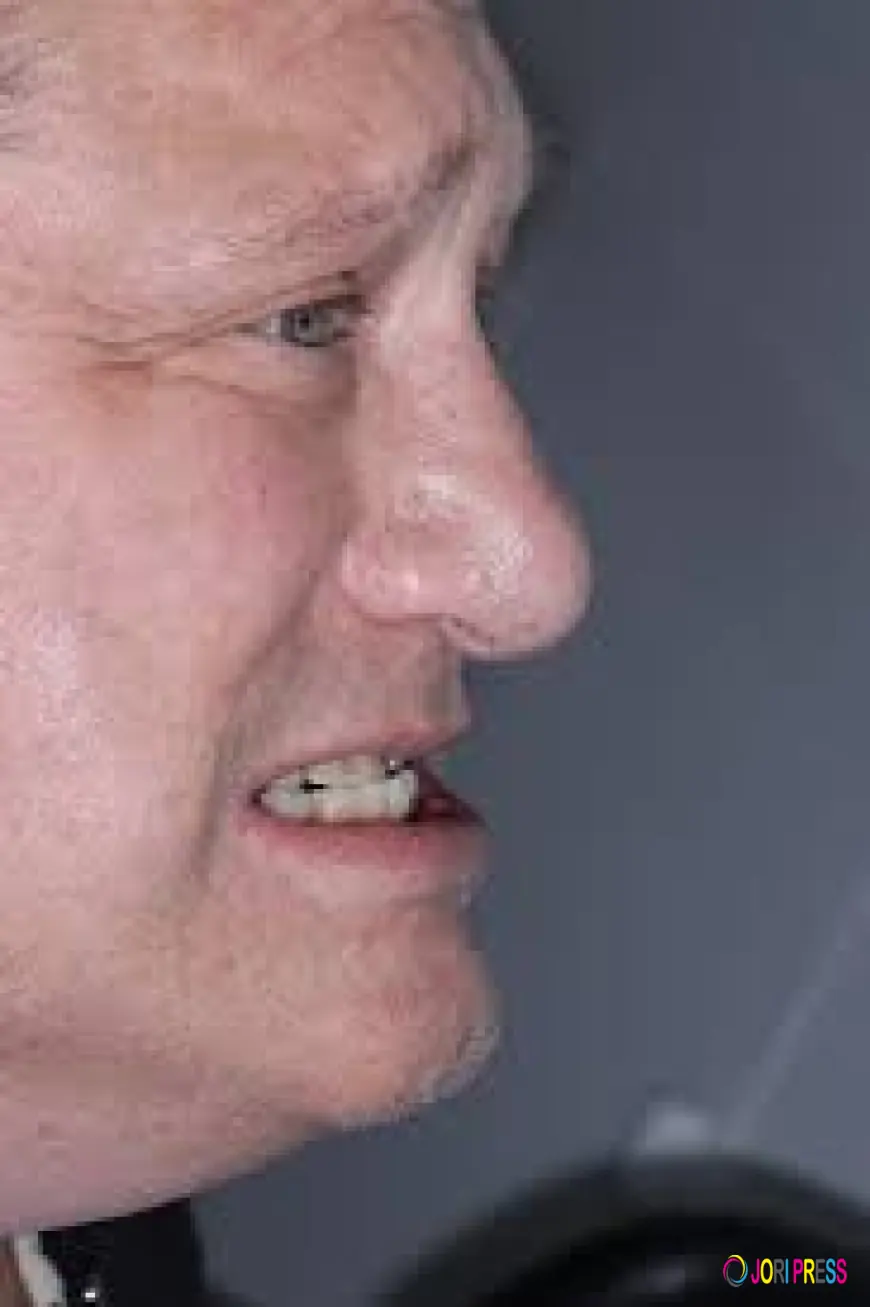
A weak or recessed chin is not always caused by a naturally small chin bone. In some people, its appearance may be connected to the position of the lower jaw or the way the upper and lower teeth meet. An overbite or a retruded lower jaw can influence the lower facial profile, making the chin appear less prominent. Understanding this relationship is an important first step in exploring weak chin correction options that address more than just appearance.
The connection between the bite and facial structure can be easy to overlook. However, a closer look at jaw position and dental alignment may reveal factors contributing to an unbalanced profile.
How Can an Overbite Affect Chin Appearance?
An overbite occurs when the upper front teeth overlap the lower front teeth more than expected. A mild overlap is normal, but an excessive overbite may be associated with a deeper bite relationship and changes in how the lower face appears.
In some cases, the lower jaw sits farther back relative to the upper jaw. This can make the chin look recessed, even when the chin bone itself is not unusually small.
The lips may also appear less balanced in relation to the nose and chin. Depending on the person's facial structure, the jawline may look less defined from the side.
Still, an overbite does not always mean the lower jaw is retruded. Dental positioning, skeletal development, and other factors can contribute to the same bite pattern. A proper assessment is needed to identify the actual cause.
What Is a Retruded Lower Jaw?
A retruded lower jaw is positioned farther back in relation to the upper jaw. This relationship is often associated with a Class II bite, although the exact cause and severity can vary.
When the lower jaw sits farther back, the chin may appear smaller or less projected. The distance between the upper and lower front teeth may also be increased. This is commonly described as excessive overjet.
Some people develop this jaw relationship naturally. In others, dental factors or changes in tooth structure may influence how the bite functions. As a result, two people with similar-looking weak chins may have very different underlying conditions.
That is why orthodontic treatment for weak chin concerns should begin with an evaluation of both the teeth and jaw rather than relying on appearance alone.
Can Bite Alignment Influence the Lower Facial Profile?
Yes, bite alignment can influence the way the lower face looks. The upper and lower teeth help determine how the jaw closes, while their relationship also affects the support provided to the lips and surrounding structures.
For example, when the lower jaw sits farther back, the chin may appear less prominent. In some cases, correcting a bite-related problem may help establish a more balanced relationship between the teeth and lower jaw.
However, it is important to understand the limits of dental treatment. Moving teeth or improving their contact does not automatically move the underlying jawbone forward. Any change in facial appearance depends on the cause of the imbalance and the treatment used.
A detailed assessment can help determine whether the weak chin appearance is linked to the bite, natural bone structure, or a combination of both.
How Is a Weak Chin Evaluated?
A comprehensive evaluation looks at more than the front view of the smile. The dental professional may examine the side profile, bite relationship, tooth condition, and jaw movement.
Some important factors include:
● Overbite and overjet: These measurements help show how the upper and lower front teeth relate to each other.
● Jaw position: The relationship between the upper and lower jaws can help identify a retruded lower jaw.
● Tooth wear: Worn or shortened teeth may affect bite height and dental support.
● Facial proportions: The chin, lips, nose, and jawline are assessed together.
● Jaw function: The way the jaw moves and how the teeth contact during closure can provide useful information.
This process helps distinguish a dental concern from a skeletal one. It also makes treatment planning more specific.
Can Non-Surgical Dental Treatment Help?
In selected cases, a bite-focused dental approach may help improve the relationship between the teeth and support a more balanced lower facial appearance. The aim is to understand whether the existing bite position contributes to the concern.
Some approaches use a custom appliance, such as TMJtrac, to preview a proposed jaw position before permanent treatment. This allows the dental professional to assess the planned bite relationship and gives the patient an opportunity to experience it.
If the assessment supports further treatment, custom dental restorations may be considered to establish the planned tooth contacts. Class I VENEERS, for instance, are designed around a specific bite relationship rather than simply changing the visible appearance of the teeth.
These methods do not physically enlarge the chin or surgically advance the lower jaw. Instead, they focus on dental relationships that may contribute to facial balance. They are not suitable for every patient, particularly when the concern is primarily caused by skeletal structure.
When Is Orthodontic Treatment Worth Considering?
Traditional orthodontic treatment may be appropriate when tooth position contributes to an overbite or other alignment problem. Braces and clear aligners can move teeth into improved positions, depending on the complexity of the case.
However, orthodontics primarily changes tooth position. Its ability to influence the facial profile depends on the patient's age, bite condition, and underlying jaw structure.
For this reason, orthodontic treatment for weak chin concerns should not be viewed as a guaranteed way to make the chin more prominent. A professional evaluation helps establish whether orthodontic movement, restorative dental treatment, or another approach is more suitable.
Understanding the Right Approach to Weak Chin Correction
A weak-looking chin may be connected to an overbite, a retruded lower jaw, natural bone structure, or several factors working together. Therefore, weak chin correction should begin by identifying what is actually affecting the facial profile.
For some people, improving the bite and dental support may contribute to better lower facial balance without directly changing the chin bone. However, when the concern is mainly skeletal, dental treatment alone may not provide the expected result.
Looking at the teeth, jaw position, and facial proportions together helps create a more realistic treatment plan. It also ensures that the goal is not just a better-looking smile, but a balanced relationship between dental function and facial appearance.
What's Your Reaction?
 Like
0
 Dislike
0
 Love
0
 Funny
0
 Angry
0
 Sad
0
 Wow
0