




































Is a Complete Frame-Up Rebuild the Smartest Way to Restore Your Classic Car?
Is a classic car frame up restoration worth it? Learn what a full rebuild involves, its key benefits, and if it’s right for your classic.

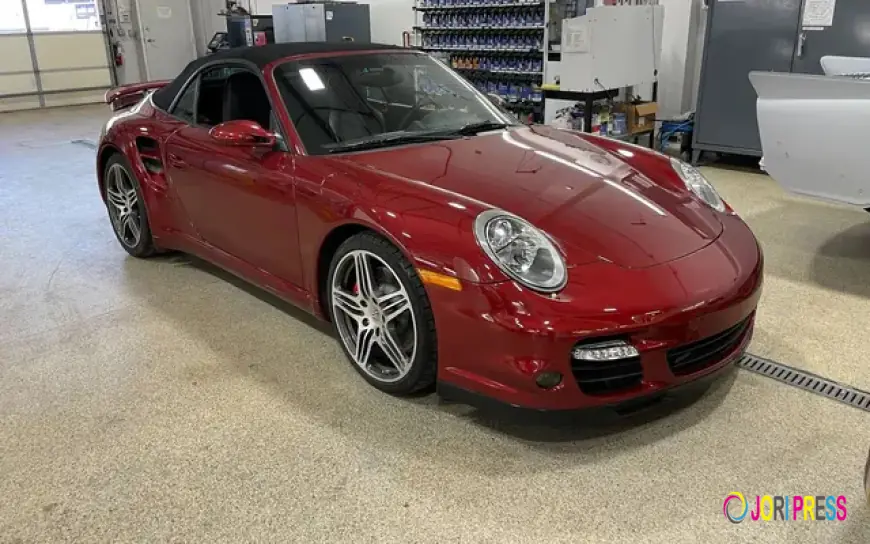
After years of neglect a classic car can have the temptation to repair minor issues and hope everything will stay together long enough to get it home. Well, it can work, but at some point you are just wasting cash. A classic car frame up restoration takes the complete opposite approach treating the entire vehicle as a project to rebuild from the ground up. To many owners it sounds extreme, but it is often the most logical way to go. Here are the pros and cons to it and some questions to be asking yourself.
Why Starting From the Foundation Makes Sense
A car cannot be any stronger than the structure underneath it. If the chassis has unseen cracks, poorly welded joints or severe corrosion then no amount of new paint is going to make it any stronger. Rebuilding from the ground up allows time to rectify the chassis issues first and build the new parts on a sound foundation. A lot of veteran builders have claimed that this approach avoids the repetitive problem of fixing one issue only to find another one right next to it.
Comparing Complete Rebuilds With Partial Repairs
Partial repairs speed up the process so, initially, are less expensive. They are appropriate for cars that are sound in structure, requiring only some mechanical and cosmetic repairs. The problem is that the whole car needs to be rebuilt so as to be consistent in use, not just a collection of bits. Time and money become the issues for this result, which emphasizes the importance of honest assessment.
The Quality Advantage You Can See and Feel
Owners opting for a total rebuild will more than likely notice the difference the first time they take the car out for a drive. Doors latch closed with a pleasing click, panels line up evenly, suspension firms up and the car is a lot quieter on the move. Everything has been checked and set to the correct dimensions and specification, and the owner ends up with something that drives a lot more like it did when it was new. That bit of confidence is hard to buy in to a car, but can make a big difference on those long motorway runs.
Looking Honestly at the Costs
It‘s important that nobody undertakes a project like this without a set budget. Costs come from machining, sheet metal fabrication and paint, upholstery, plating, wiring, and plenty of minor parts which can be lost among all the others. Rare parts can be expensive and craftsmanship requires time. Best advice is to get three or four written quotes, plan it to various stages and save some margin for the unpredicted. Cost value added will not always be worth more than the expense, so it is down to both passion and realistic figures for the owner to decide.
How Long the Journey Really Takes
Patience is a virtue. Disassembly, reassembly, repairs, primer curing and paint drying all take their own time and often delays happen when parts are late arriving or specialists are busy. A simple restoration can take a year plus, whereas a complex build may need not one but two years plus. Having milestones will enable you to keep a check on the progress and get an idea how long it will take, also make sure your builder keeps you up to date.
Choosing a Builder Who Fits Your Goals
The character of the people involved is as important as the plan. Find out if you visit stores that show previous projects, provide detailed price schedules and discuss difficulties. Buyers of classic car restorations Denver, local owners will hunt around for images, check out various workshops and even chat with previous customers. Enquire who will undertake your project and how it will be checked.
Protecting Your Investment After the Project Ends
The build is only done; you have to enjoy the advantages. Park the car in a dry safe place, turn the key once a week for a short run, stick with a sensible maintenance plan. File away every receipt, film and recorded image in a safe place; taking care of it is what adds value and confidence to future buyers. How you look after things safeguards your investment.
Conclusion
So is rebuilding entirely the best option? For a hopeless shell, or a car with an unknown history or intended longevity, then the answer is possibly yes. For a good shell however, a lighter plan might give you the best bang for your buck. Whichever route you take then, look after your repaired car, and the finished job by ensuring it receives a periodic classic car detail service for a top shine to the paint work and the cabin. Make plans and be honest about budget, then enjoy the feeling of sitting behind the wheel of a revitalized vehicle.
FAQs
How can I tell if my vehicle requires a full rebuild?
Obvious indications are a mouthwatering rust, uneven panels, tail down sitting, and a suspicious record of work. Pass by an experienced eye for the actual condition.
Am I better off selling it and getting a new car?
More formal: Rarer but well recorded models can become more valuable; common models may not recoup even their full cost. Quality of work and records both matter.
Is the work happening in bits?
Yes. Owners usually preferred to pay in phases, easy to divide the project into few parts. For example; part 1-structural, part 2-mechanical work, part 3-painting and part 4-interior.
What kind of records should I take along the course?
Take pictures at all stages, keep all tickets, and keep bits lists and notes together to make the complete history easy to hand over.
What's Your Reaction?
 Like
0
Like
0
 Dislike
0
Dislike
0
 Love
0
Love
0
 Funny
0
Funny
0
 Angry
0
Angry
0
 Sad
0
Sad
0
 Wow
0
Wow
0