







































Increase CNC Tool Life in Machining: Proven Tips Guide
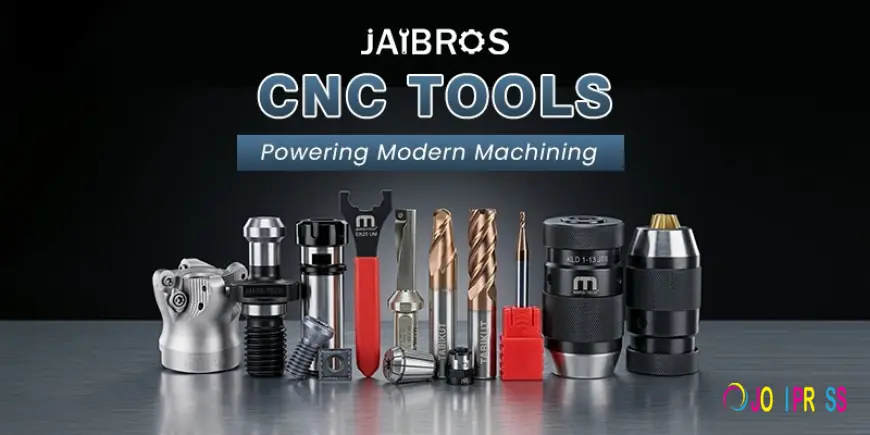
Learn how to increase CNC tool life in machining with expert tips on speed, cooling, tool holders, and maintenance to improve efficiency and reduce costs.
How to Increase CNC Tool Life in Machining
The CNC machining process focuses heavily on producing accurate parts using various tools. This has created challenges in reducing tool wear while also maintaining consistent output quality in today's competitive environment. By increasing tool life, it helps to reduce the overall cost of doing business and increases both productivity and reduces downtime due to machine failure.
Proper handling of your cnc tools and knowledge of what those tools are capable of to be able to produce quality parts is essential in the modern manufacturing world. Each decision you make from the selection of material, through to optimizing machining parameters, plays an important role to maximize the performance of the tool and to extend its life. This guide provides you with practical information on ways to effectively increase the life of the tools used for the production of accurate parts without sacrificing the quality of the part produced.
1. Choose the Right Tool and Material
Selecting the correct tool is the foundation of longer tool life. Different materials require different cutting solutions, and ignoring this can lead to rapid wear.
-
Always ensure that your CNC tool is compatible with the material (steel, aluminum, titanium, etc.) you are using
-
Select high heat resistance coating such as TiAlN or DLC
-
Always use carbide drills for machining tough materials because of their strength
-
Make sure you can mount the tools to the CNC machine
-
Always ensure that you have a balanced CNC tool holder
When using systems like BT40, ensure proper taper contact and cleanliness to avoid runout. Poor tool selection leads to overheating, chipping, and reduced efficiency.
2. Optimize Cutting Parameters
Incorrect speeds and feeds are one of the main reasons for tool failure. Optimizing cutting parameters can significantly extend tool life.
-
Set proper spindle speed and feed rate based on material
-
Avoid excessive depth of cut, especially with delicate cnc tools
-
Maintain consistent chip load to reduce stress on the tool
-
Use manufacturer recommendations for cnc tool types
-
Monitor performance on cnc machine tools to make real-time adjustments
Using Carbide drills at incorrect speeds can cause breakage instead of improved performance. Also, ensure your cnc tool holder is rigid enough to handle cutting forces.
3. Use Proper Cooling and Lubrication
Heat is the biggest enemy of cutting tools. Effective cooling helps in reducing wear and improving tool life.
-
Use coolant to reduce friction and heat generation
-
Apply minimum quantity lubrication (MQL) for efficiency
-
Ensure proper coolant flow direction on cnc tools
-
Check compatibility with cnc machine tools cooling systems
-
Maintain cleanliness of cnc tool holder to avoid contamination
In high-speed machining with BT40, thermal expansion can affect accuracy, so cooling becomes even more critical. Proper lubrication also improves the performance of cnc tool types.
4. Maintain Tool Holding and Machine Stability
Tool holding plays a vital role in machining precision and tool longevity. Even the best tools fail if not properly held.
-
Use a high-quality cnc tool holder for better grip and reduced vibration
-
Regularly inspect cnc machine tools for alignment issues
-
Avoid worn-out holders that can damage cnc tools
-
Ensure proper tightening torque in BT40 holders
-
Balance rotating components to minimize runout
A stable setup ensures that cnc tool types perform optimally without unnecessary stress. This is especially important when using Carbide drills, as they are rigid but brittle.
5. Regular Monitoring and Preventive Maintenance
Monitoring tool condition helps in identifying wear patterns before failure occurs. Preventive maintenance is key to maximizing tool life.
-
Inspect cnc tools regularly for wear and chipping
-
Replace tools before complete failure to avoid damage
-
Track performance of different cnc tool types
-
Maintain lubrication systems in cnc machine tools
-
Clean and store each cnc tool holder properly
Using BT40 systems with proper maintenance ensures consistent accuracy over time. Predictive maintenance reduces unexpected downtime and increases overall efficiency.
Conclusion
Enhancing the life of tools in machining involves not only one aspect but a whole range of intelligent actions, correct settings, and continuous monitoring. It includes everything from choosing the best tools to creating favorable cutting conditions for increasing effectiveness and saving money.
Through all those actions, we can improve our efficiency significantly and get great results from the machining process. Manufacturers like jaibros know how important high-quality tools and good machining techniques are to achieving successful results.
FAQs
Q1. What is the main reason for CNC tool wear?
The primary reason is excessive heat and improper cutting parameters, which lead to faster degradation.
Q2. How often should CNC tools be replaced?
It depends on usage and material, but regular inspection helps determine the right time for replacement.
Q3. Are Carbide drills better than HSS drills?
Yes, Carbide drills are more durable and suitable for high-speed and hard material machining.
Q4. Does tool holder quality affect tool life?
Absolutely, a good cnc tool holder reduces vibration and improves tool stability.
Q5. Can coolant really increase tool life?
Yes, proper cooling significantly reduces heat and friction, extending tool lifespan.
What's Your Reaction?
 Like
0
Like
0
 Dislike
0
Dislike
0
 Love
0
Love
0
 Funny
0
Funny
0
 Angry
0
Angry
0
 Sad
0
Sad
0
 Wow
0
Wow
0