
































Adsorbent Market Dynamics: Key Growth Drivers, Industrial Applications, and Emerging Opportunities
Adsorbents play an essential role in modern industrial processes by capturing impurities, removing unwanted substances, and separating specific components from gases and liquids.

Understanding the Adsorbent Market Landscape
Adsorbents play an essential role in modern industrial processes by capturing impurities, removing unwanted substances, and separating specific components from gases and liquids. These materials are widely used in water purification, air treatment, chemical processing, petroleum refining, pharmaceutical manufacturing, and environmental protection. As industries face stricter quality requirements and increasing pressure to reduce emissions, the demand for efficient adsorption technologies continues to evolve.
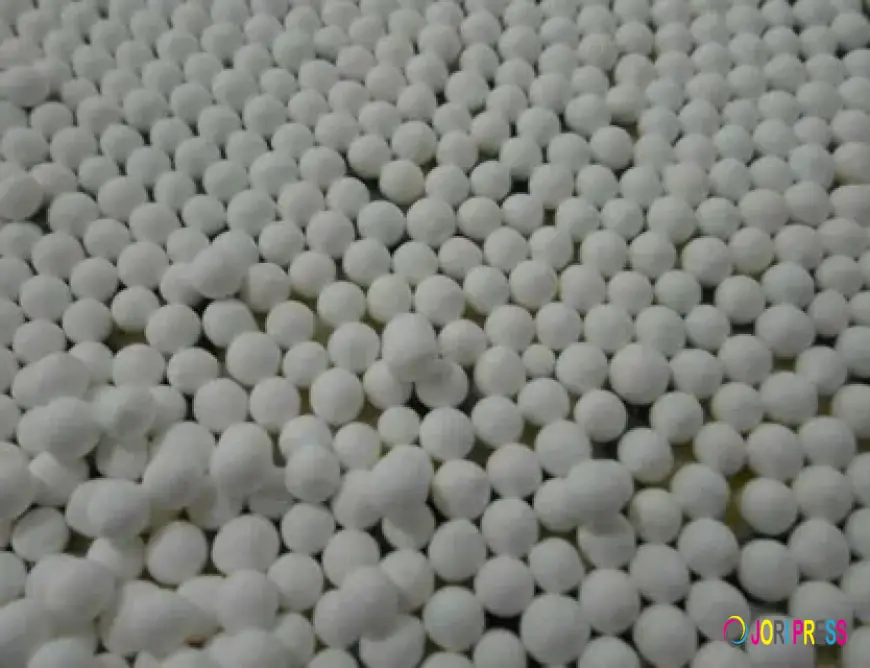
The market encompasses a diverse range of materials, including activated carbon, silica gel, activated alumina, zeolites, and specialized polymeric adsorbents. Each material offers distinct characteristics related to pore structure, surface area, selectivity, moisture resistance, and regeneration potential. These differences influence purchasing decisions across industries, making application-specific performance a major factor in market development.
The adsorbent market dynamics reflect the interaction of industrial expansion, environmental regulations, technological improvements, raw material availability, and operating costs. Rather than depending on a single end-use sector, market performance is shaped by multiple industries with different technical requirements and investment cycles.
Key Factors Driving Market Growth
Rising Demand for Water and Wastewater Treatment
Access to clean water and the responsible management of industrial wastewater are important drivers of adsorbent consumption. Municipal treatment facilities, manufacturing plants, and commercial water systems use adsorption to remove organic contaminants, unpleasant odors, residual chemicals, and certain dissolved pollutants.
Activated carbon is particularly important in applications involving taste and odor control, organic compound removal, and the treatment of contaminated process streams. Specialized adsorbents can also target specific substances, including selected heavy metals and emerging contaminants, depending on their chemistry and operating conditions.
Growing attention to water reuse is creating additional opportunities. Manufacturers seeking to reduce freshwater consumption increasingly evaluate treatment systems that allow process water to be recovered and reused. Adsorbents can support these systems by improving contaminant removal, although their effectiveness depends on water composition, competing substances, and treatment objectives.
Environmental Regulations and Emission Control
Environmental compliance is another significant influence on demand. Industrial facilities face growing expectations to control volatile organic compounds, hazardous pollutants, and other unwanted emissions. Adsorption systems can capture selected compounds before they enter the atmosphere, helping facilities manage emissions and recover valuable materials in suitable applications.
Activated carbon and molecular sieves are used in different gas-treatment processes, while specialized adsorbents can address particular contaminants under defined operating conditions. Demand is influenced not only by new installations but also by upgrades to existing facilities that need improved treatment performance or greater operational reliability.
However, regulatory requirements differ across countries and industries. This creates a varied market in which suppliers must adapt material specifications, testing procedures, and system designs to local compliance needs.
Expansion of Chemical Processing and Refining
Chemical production, petrochemicals, and petroleum refining remain important application areas. Adsorbents help remove moisture, sulfur-containing impurities, trace contaminants, and other substances that may interfere with downstream reactions or compromise product quality.
Molecular sieves are valued for their controlled pore structures and selective adsorption properties. They are used in gas drying, hydrocarbon processing, and other separation applications where consistent feed quality is essential. Silica gel and activated alumina also serve specialized drying and purification requirements.
As chemical producers seek greater process efficiency, adsorbents that deliver stable performance, predictable regeneration, and longer service life can become attractive options. Nevertheless, adoption depends on compatibility with existing equipment, the cost of replacement, and the financial consequences of process interruptions.
Major Challenges Affecting Market Development
Raw Material Costs and Supply Constraints
Manufacturing costs can fluctuate with the availability and price of raw materials, energy, transportation, and processing inputs. Activated carbon producers, for example, may depend on coal, coconut shells, wood, or other carbon-rich feedstocks. Changes in agricultural output, mining conditions, and logistics can affect material availability and pricing.
Specialty adsorbents may face additional constraints related to precursor purity, manufacturing complexity, and the need for precise physical or chemical properties. These pressures can complicate procurement for buyers operating under strict budgets or long-term supply agreements.
Suppliers can respond by diversifying feedstock sources, improving manufacturing yields, and developing alternative formulations. Buyers, meanwhile, increasingly need to evaluate total operating costs rather than relying solely on the initial purchase price.
Spent Adsorbent Handling and Regeneration
Adsorbents gradually lose effectiveness as adsorption sites become occupied or operating conditions change. Depending on the material and contaminant, performance may be restored through thermal treatment, pressure or temperature changes, washing, or other regeneration methods.
Regeneration can reduce replacement requirements and material waste, but it is not universally suitable. Some adsorbents degrade during repeated cycles, while captured contaminants may require specialized handling or disposal. In certain applications, regeneration consumes substantial energy or creates secondary waste streams.
Consequently, buyers must consider the entire operating cycle, including adsorption capacity, breakthrough behavior, regeneration efficiency, service life, and disposal obligations.
Emerging Trends Reshaping the Industry
Development of High-Performance and Selective Materials
Material innovation is expanding the range of applications that adsorption technologies can address. Researchers and manufacturers are developing modified activated carbons, engineered zeolites, functionalized polymers, and composite materials designed to improve selectivity, adsorption capacity, and resistance to demanding operating conditions.
These developments are particularly relevant when conventional materials struggle to remove low-concentration contaminants from complex mixtures. However, strong laboratory results do not automatically translate into commercial success. Production costs, material consistency, long-term stability, and performance at industrial scale remain essential considerations.
Sustainable Feedstocks and Circular Processing
Sustainability is becoming an important consideration in adsorbent selection. Manufacturers are investigating agricultural residues, biomass-derived carbon, and suitable industrial by-products as alternative feedstocks. Such approaches may reduce dependence on conventional raw materials while supporting resource recovery.
Regeneration and reuse are also receiving attention because they can reduce waste and improve material utilization. Nevertheless, sustainability assessments must account for the energy consumed during manufacturing and regeneration, transportation requirements, contaminant disposal, and the useful life of the material.
Carbon Capture and Energy-Related Applications
Interest in carbon management is creating opportunities for adsorbents designed to separate carbon dioxide from industrial gas streams. Porous carbons, zeolites, and other engineered materials are being evaluated for their adsorption capacity, selectivity, moisture tolerance, and regeneration requirements.
The commercial outlook depends on more than capture performance. Energy consumption, equipment costs, gas composition, operating pressure, and the availability of reliable downstream carbon handling infrastructure all influence project feasibility. Hydrogen purification and gas drying offer additional opportunities where precise separation and consistent product quality are required.
Competitive Landscape and Future Market Outlook
Competition increasingly depends on technical expertise, application-specific product development, dependable supply, and lifecycle economics. Established manufacturers benefit from production experience and established customer relationships, while specialized producers can differentiate themselves through tailored formulations and solutions for difficult separation problems.
Industrial buyers are likely to place greater emphasis on measurable operating outcomes, including contaminant removal, product purity, pressure drop, regeneration frequency, and total treatment cost. Suppliers that can demonstrate consistent performance under actual operating conditions may be better positioned to secure long-term business.
For market participants, the most promising opportunities will vary by application and geography. Water reuse, industrial gas purification, emissions control, and advanced chemical processing present distinct requirements rather than a single uniform growth pathway.
Conclusion
The adsorbent industry is evolving through the combined influence of environmental compliance, industrial purification needs, material innovation, and resource efficiency. Although raw material volatility, regeneration challenges, and scale-up costs remain important barriers, improvements in selective and sustainable materials offer potential avenues for development.
Long-term competitiveness will depend on balancing technical performance with affordability, operational reliability, and environmental responsibility. Companies that understand end-user requirements and deliver application-specific solutions will be better equipped to navigate changing industrial priorities.
What's Your Reaction?
 Like
0
Like
0
 Dislike
0
Dislike
0
 Love
0
Love
0
 Funny
0
Funny
0
 Angry
0
Angry
0
 Sad
0
Sad
0
 Wow
0
Wow
0