



































How to Choose a Water Bottle for Toddlers and Young Children?
How to choose a water bottle for toddlers and young children by comparing size, safe materials, easy-to-use lids, and cleaning needs.

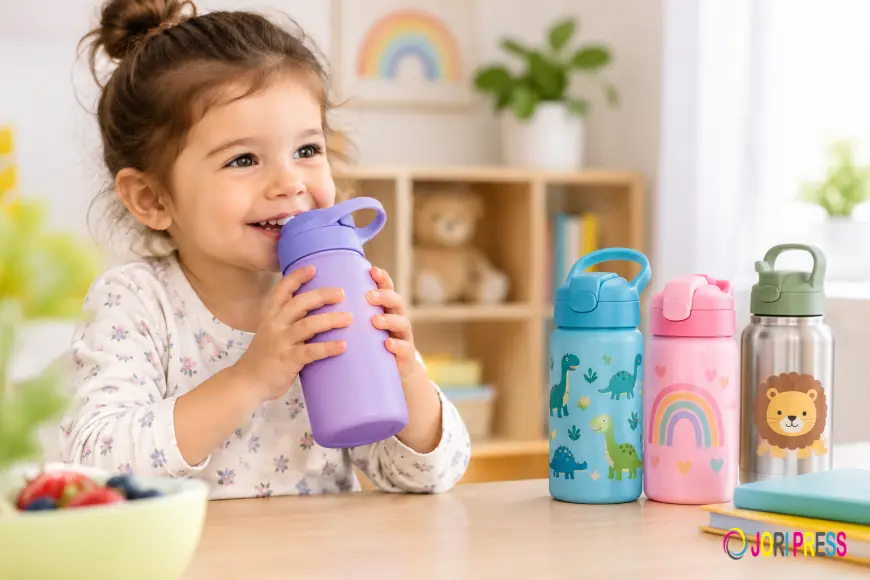
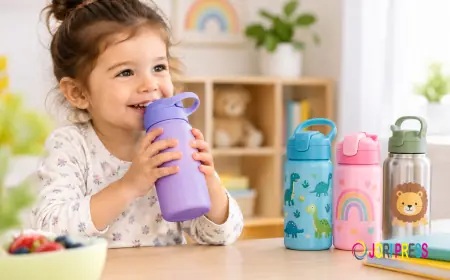
Finding the right water bottle for your child can make everyday hydration easier, whether they are heading to daycare, preschool, the playground, or a family outing. A good bottle should be easy for little hands to hold, simple to drink from, and durable enough to handle everyday bumps. When choosing a water bottle for toddlers and young children, it is worth looking beyond colourful designs and considering safety, size, leak resistance, and ease of cleaning. The right choice can help your child enjoy drinking water and build healthy habits from an early age.
1. Choose the Right Size for Small Hands
Toddlers and young children need a bottle they can carry comfortably without struggling with its weight. A bottle holding around 250–400 ml can be a practical starting point for younger children, while older children may prefer a larger capacity.
Consider your child's age, drinking habits, and how long they will be away from home. A smaller bottle is often easier to fit into a daycare bag, while a larger one may be useful for longer outings. Remember that water needs vary, so choose a size that suits your child's routine and allows for refills when needed.
2. Look for Child-Friendly Materials
The material of a water bottle affects its weight, durability, and maintenance.
-
BPA-free plastic: Lightweight and convenient for everyday use. Choose a product clearly labelled for food and drink contact.
-
Stainless steel: Durable and suitable for regular use, although some models may be heavier for toddlers.
-
Silicone components: Soft spouts or flexible parts may be comfortable for some children, depending on the design.
Always follow the manufacturer's age recommendations and care instructions. Check the bottle regularly for cracks, damaged parts, or signs of wear, and replace it when necessary.
3. Pick a Lid That Is Easy to Use
Young children are still developing their coordination, so a complicated lid can make drinking frustrating. Look for a simple, child-friendly design that your little one can open and close with minimal help.
Straw lids, spout lids, and flip-top designs each offer different benefits. The best option depends on your child's age, abilities, and drinking habits. Make sure any lid or drinking mechanism is age-appropriate and does not have loose or damaged parts that could create a choking risk.
Practising how to open, drink from, and close the bottle at home can help your child feel more confident using it independently.
4. Check for Leak Resistance and Durability
A leaking bottle can leave school bags, lunchboxes, and spare clothes wet. Choose a bottle with a secure lid and a reliable seal to help prevent spills during everyday activities.
Durability is equally important. Children may drop their bottles while playing or carrying them around, so look for a design that can handle normal use. However, even sturdy bottles can become damaged, so inspect them regularly and follow the manufacturer's recommendations.
5. Make Cleaning Simple
Water bottles used by young children need regular cleaning, especially when they have straws, removable valves, or multiple lid components. These areas can trap moisture and residue if they are not cleaned properly.
Choose a bottle with parts that are easy to access and wash. Check whether the bottle is dishwasher-safe or needs handwashing, and clean all removable components according to the manufacturer's instructions.
Allow the bottle and its parts to dry completely before reassembling them. If your child uses the bottle for milk, juice, or other drinks, clean it promptly after use to help prevent residue and unpleasant smells.
6. Let Your Child Choose the Design
A practical bottle is important, but a design your child likes can make it more appealing. Bright colours, favourite animals, and fun patterns may encourage children to reach for their water more often.
Let your child choose between a few suitable options while you handle the important decisions about safety, size, and cleaning. This gives them a sense of independence without compromising on everyday practicality.
Final Thoughts
Choosing a water bottle for toddlers and young children comes down to comfort, safety, and convenience. Look for a manageable size, suitable materials, an easy-to-use lid, a secure seal, and a design that is simple to clean. With the right bottle, staying hydrated can become a more natural part of your child's daily routine at home, daycare, and during family adventures.
FAQS
1. What size water bottle is best for toddlers?
A bottle around 250–400 ml can be a practical starting point, depending on the child's age, drinking habits, and access to refills.
2. Which water bottle material is best for young children?
BPA-free plastic is lightweight, while stainless steel is durable. Choose a product designed for children's use and follow its care instructions.
3. Are straw water bottles suitable for toddlers?
They can be suitable when the design is age-appropriate and used under appropriate supervision. Check the manufacturer's age guidance and inspect the straw for damage.
4. How often should I clean my child's water bottle?
Wash it daily and clean the lid, straw, and removable components thoroughly according to the manufacturer's instructions.
5. How can I prevent my child's water bottle from leaking?
Choose a bottle with a secure lid and reliable seals, make sure all parts are assembled correctly, and inspect them regularly for damage.
Read More: elementalbottles.com
What's Your Reaction?
 Like
0
Like
0
 Dislike
0
Dislike
0
 Love
0
Love
0
 Funny
0
Funny
0
 Angry
0
Angry
0
 Sad
0
Sad
0
 Wow
0
Wow
0