








































How ER Collets Improve CNC Machining Performance
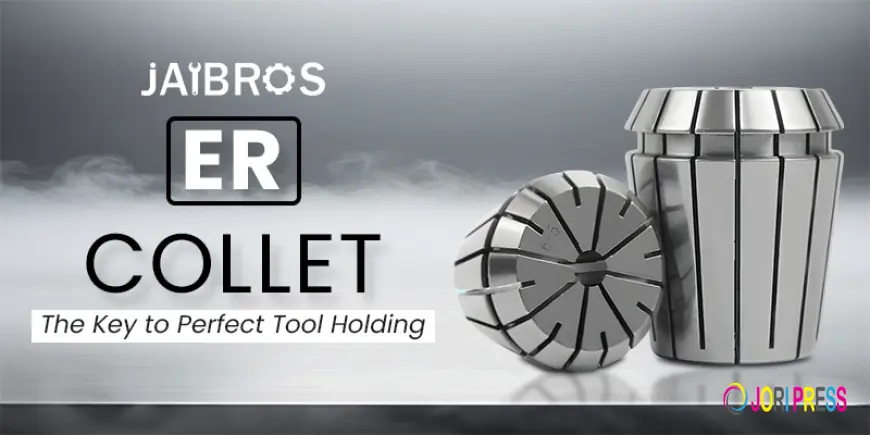
Learn how ER collets improve machining performance by enhancing tool holding accuracy, reducing vibration, and increasing CNC machining efficiency.

Learn how ER collets improve machining performance by enhancing tool holding accuracy, reducing vibration, and increasing CNC machining efficiency.
How ER Collets Help Achieve Better Machining Performance
In machining, it is important to have precise and stable cutting for high-quality products. For several applications on CNC machines, er collets help hold the cutting tools firmly and stabilize their vibrations while machining. Having a well-fitted tool holder will assist in achieving good cutting precision and efficient production in areas like the automobile and aerospace industries and machining industries.
Having the tools positioned in a right manner allows machine users to produce neat finishes and longer lasting tools. The use of appropriate er collets according to the cutting tool diameter will assist the process. This will decrease runouts and increase efficiency while machining at high speeds.
Importance of Tool Holding in CNC Machining
Tool holding systems directly affect machining quality. If a tool is not clamped correctly, it may create vibration, poor surface finish, or inaccurate cuts. A proper collet system helps keep the tool stable while the spindle rotates at high speed.
Some major benefits of using a reliable tool holding system include:
-
Better cutting accuracy
-
Reduced spindle vibration
-
Improved tool life
-
Smoother surface finish
-
Faster machining operations
-
Less machine downtime
In many workshops, operators prefer er collets because they provide strong clamping force and flexibility for different cutting applications. These collets are widely used in milling, drilling, engraving, and finishing operations.
How Collet Accuracy Improves Machining Results
The machining process relies greatly on the accuracy of the way the cutting tool is clamped. Any slight movement from the tool will influence the result of the product. Good quality collets provide adequate concentricity between the spindle and the cutting tool.
Choosing the correct er collet sizes guarantees adequate grip of the shank of the tool. If the size of the collet is larger or smaller than necessary, it will lead to decreased effectiveness of the grip.
Accurate clamping provides several advantages:
-
Lower cutting vibration
-
Reduced heat generation
-
Better dimensional accuracy
-
Improved repeatability
-
Consistent production quality
Manufacturers often select collets according to spindle type, cutting speed, and tool diameter. A properly matched setup allows machines to perform efficiently during long production cycles.
Role of ER Systems in High-Speed Machining
High-speed machining requires excellent tool stability because spindle rotation increases significantly during operation. Poor tool holding at high RPM can create imbalance and damage both the machine and cutting tools.
This is where er collets become useful for industrial machining environments. Their design allows even clamping pressure around the tool, helping reduce movement during high-speed cutting. This improves machining reliability and enhances productivity.
Many CNC operators use an er 25 collet holder for medium-duty machining tasks because it supports various tool diameters and provides stable gripping performance. It is commonly used in milling and drilling applications where precision is important.
High-speed machining benefits include:
-
Faster production cycles
-
Reduced machining time
-
Improved edge quality
-
Lower material wastage
-
Better consistency in repeated operations
Choosing suitable er collet sizes also helps maintain spindle balance during continuous machining operations.
Importance of Selecting the Correct Collet Size
Selecting the proper collet size is essential for maintaining machining accuracy. Every cutting tool requires a matching collet diameter for effective clamping. Incorrect selection may result in slipping or tool damage.
Operators often refer to an er collet size chart to identify compatible sizes for different cutting tools. This helps ensure correct tool fitment and prevents operational problems during machining.
Factors to consider while selecting collets include:
-
Tool shank diameter
-
Machine spindle type
-
Cutting speed
-
Material hardness
-
Machining application
Correct er collet sizes improve grip strength and help distribute clamping pressure evenly around the tool. This creates stable machining conditions and reduces unnecessary stress on the spindle.
In precision machining industries, proper sizing also contributes to improved repeatability and better finished product quality.
Reducing Tool Wear and Improving Tool Life
Tool wear is a common issue in CNC machining, especially during long production runs. Poor clamping may create vibration and excessive friction, causing tools to wear faster.
Reliable tool holding systems help reduce these problems by stabilizing the cutting tool during operation. Proper clamping pressure minimizes movement and allows the cutting edge to work efficiently.
Benefits of stable clamping include:
-
Less tool breakage
-
Reduced edge chipping
-
Better heat control
-
Longer cutting tool life
-
Lower replacement costs
Industrial workshops frequently use er collets because they support multiple machining applications while maintaining strong gripping force. Their flexibility makes them suitable for both roughing and finishing operations.
When combined with suitable cutting parameters and coolant flow, stable tool holding can significantly improve machining efficiency.
Use of Specialized Collets in Tapping Operations
Thread tapping operations require precise torque control and stable tool holding. Incorrect alignment during tapping may damage threads or break the tap.
For these applications, many machinists prefer er tap collets because they are designed to hold tapping tools securely while supporting accurate thread production. These collets help reduce slippage and improve threading consistency.
Advantages of proper tapping collets include:
-
Better thread quality
-
Reduced tap breakage
-
Improved alignment
-
Stable torque transmission
-
Increased operational safety
Using the correct tool holding system during tapping operations helps maintain precision and improves overall production reliability.
How Collets Support Different Industrial Applications
Collet systems are widely used across different industries because they provide flexibility and precision. CNC machines in automotive, aerospace, mold manufacturing, and metalworking industries often rely on quality collet systems for stable machining.
Different machining operations require different er collet sizes depending on the cutting tool and workpiece material. This flexibility allows manufacturers to handle multiple operations using the same spindle setup.
Common industrial applications include:
-
CNC milling
-
Drilling operations
-
Engraving work
-
Reaming processes
-
Precision finishing
-
Thread cutting
Stable tool holding also helps improve surface finish quality, which is important for precision engineering applications.
Maintenance Tips for Better Collet Performance
Regular maintenance helps improve collet life and machining accuracy. Dirt, coolant residue, and metal chips may reduce gripping performance if cleaning is ignored.
Important maintenance practices include:
-
Clean collets after use
-
Inspect for wear or cracks
-
Avoid overtightening
-
Store in dry conditions
-
Replace damaged components immediately
Proper maintenance not only improves performance but also helps maintain machining consistency during long production cycles.
Conclusion
Machining is efficient when there is accuracy, stability, and proper tool clamping. Good quality collets make it possible to achieve all three, making sure that accuracy in machining is achieved and vibration is minimized. When high speed milling and precision tapping is done, the choice of collets becomes crucial. Industrialists keep relying on sophisticated collets because of the efficiency they guarantee. Manufacturers such as jaibros offer industrial tooling solutions.
FAQs
1. Why are collets important in CNC machining?
Collets help hold cutting tools securely, improving machining accuracy and reducing vibration during operations.
2. How do correct collet sizes improve performance?
Proper collet sizing ensures better gripping strength, lower runout, and smoother machining operations.
3. What industries commonly use ER collets?
Automotive, aerospace, metal fabrication, and mold manufacturing industries widely use ER collet systems.
4. Can collets improve tool life?
Yes, stable tool holding reduces vibration and friction, helping tools last longer.
5. How often should collets be cleaned?
Collets should be cleaned regularly after machining operations to maintain gripping performance and accuracy.
What's Your Reaction?
 Like
0
Like
0
 Dislike
0
Dislike
0
 Love
0
Love
0
 Funny
0
Funny
0
 Angry
0
Angry
0
 Sad
0
Sad
0
 Wow
0
Wow
0