










































How Does Fiber Optic Internet Support Remote and Hybrid Work?
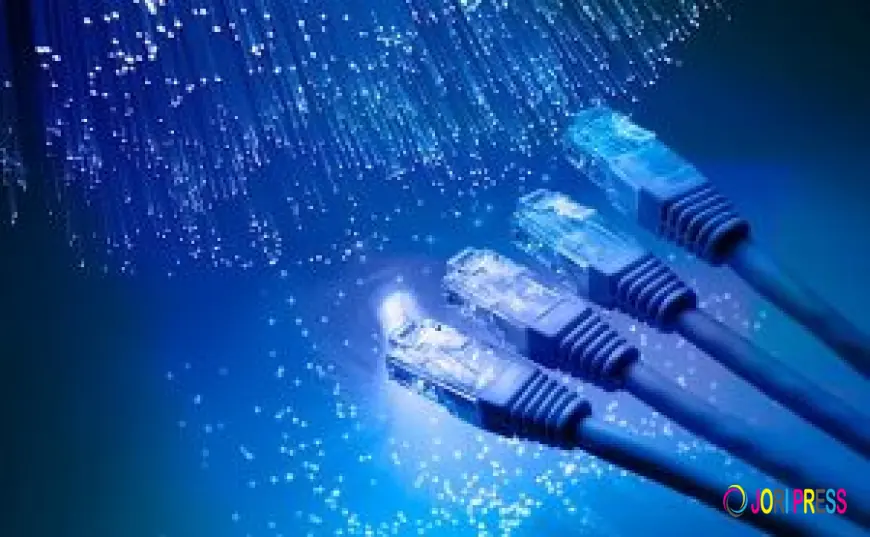
Business fiber optic internet has become the backbone of modern U.S. companies that depend on fast, stable connectivity. Unlike older copper-based connections, fiber optic technology transmits data as pulses of light through thin glass strands, allowing information to travel at significantly higher speeds with far less signal loss.
For businesses managing cloud applications, video conferencing, and large file transfers, understanding how this technology works — and why it outperforms older alternatives — is the first step toward choosing the right connection. You can review available business fiber internet plans to see how this technology is delivered to commercial locations.
Business Fiber Optic Internet vs. Cable Internet
One of the most common questions companies ask is how fiber compares to cable. Cable internet shares bandwidth across multiple users in a given area, which can cause slowdowns during peak hours. Fiber, by contrast, delivers a dedicated connection with consistent performance regardless of time of day.
That said, cable internet service remains a practical, cost-effective option for businesses with lighter bandwidth needs or limited fiber availability in their area. The right choice depends on usage patterns, budget, and location.
Key Benefits of Business Fiber Optic Internet
Bandwidth and Speed
Fiber connections typically offer significantly higher bandwidth than copper or cable lines. This matters for businesses running multiple cloud-based tools, large data uploads, or bandwidth-heavy applications simultaneously without slowdowns.
Symmetrical Upload and Download Speeds
A major advantage of fiber is symmetrical bandwidth — upload speeds that match download speeds. This is especially valuable for businesses that rely on video conferencing, cloud backups, or large file sharing, where slow upload speeds often create bottlenecks.
Reliability and Reduced Downtime
Fiber optic cables are less susceptible to electromagnetic interference and weather-related disruptions than copper lines. This translates into fewer outages, lower latency, and more consistent performance — critical for businesses where downtime directly affects revenue.
Stronger Security
Because fiber optic cables don't emit electromagnetic signals the way copper does, they're inherently harder to tap or intercept, making fiber a sound choice for businesses handling sensitive customer or financial data.
Who Benefits Most From Business Fiber Optic Internet?
Industries With High Bandwidth Demands
Healthcare providers, financial services, legal firms, retail chains, and companies with multiple cloud applications tend to benefit most, since these industries rely on uninterrupted data flow and real-time access to information.
Remote and Hybrid Teams
With more companies supporting hybrid work, fiber's high upload speeds make video calls, VPN access, and cloud collaboration tools run smoothly for distributed teams, regardless of how many employees are connected at once.
What to Expect During Installation
Installation timelines vary based on whether fiber infrastructure already exists at your location. In areas with existing fiber lines, setup can be completed relatively quickly. In locations requiring new line construction, providers typically conduct a site survey first to determine the best path for installation before scheduling a technician visit.
Choosing the Right Business Fiber Internet Provider
When evaluating providers, businesses should consider:
-
Available speed tiers that match current and future bandwidth needs
-
Service level agreements (SLAs) guaranteeing uptime and response times
-
Local support availability for faster issue resolution
-
Scalability to upgrade bandwidth as the business grows
-
Contract flexibility without excessive long-term commitments
Taking time to compare these factors helps avoid outgrowing a connection within just a year or two of signing up.
Conclusion
Business fiber optic internet offers the speed, reliability, and security that modern companies need to operate without disruption. Whether you're scaling cloud operations, supporting remote teams, or simply tired of inconsistent connectivity, fiber is built to keep pace with growing demands. Providers like Veloxinternet offer tailored business connectivity solutions designed to match your company's specific bandwidth and reliability requirements, helping you choose the right fit without unnecessary guesswork.
FAQs
1. How is business fiber optic internet different from residential fiber plans?
Business fiber plans typically include higher bandwidth allocations, stronger service level agreements, and priority technical support compared to residential offerings, which are designed for lighter, household-level usage.
2. Can a business switch from cable to fiber internet without major disruption?
Yes, most providers schedule installation and transition periods to minimize downtime, often allowing the existing connection to remain active until the new fiber line is fully operational.
3. Is business fiber optic internet available in all locations?
Fiber availability depends on existing infrastructure in a given area. Businesses in locations without direct fiber access can check with providers about expansion plans or consider cable internet as an interim solution.
What's Your Reaction?
 Like
0
Like
0
 Dislike
0
Dislike
0
 Love
0
Love
0
 Funny
0
Funny
0
 Angry
0
Angry
0
 Sad
0
Sad
0
 Wow
0
Wow
0