
































The Hair Growth Cycle: Why Hair Changes Take Time
Learn about the hair growth cycle, its stages, and how nutrition, daily hair care, and supplements can support healthy hair growth over time.
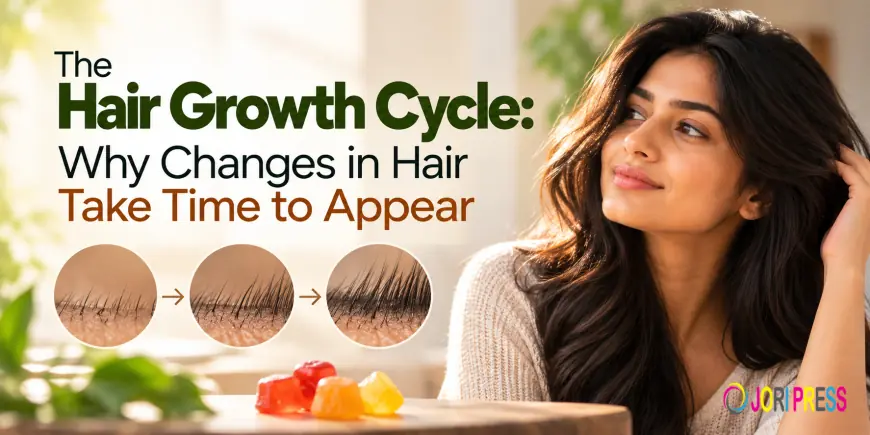
Healthy hair growth is a gradual process that requires patience and consistent care. Many people expect to see thicker, longer hair within a few weeks of changing their diet, using new hair-care products, or taking supplements. However, hair grows in cycles, and visible changes often take months rather than days.
Understanding the hair growth cycle can help you set realistic expectations, recognise common causes of hair thinning, and make informed decisions about nutrition and hair care.
What Is the Hair Growth Cycle?
Each hair follicle follows a natural cycle consisting of different stages. These stages determine when hair grows, rests, sheds, and begins growing again. Because individual follicles operate on different schedules, not every strand grows or sheds at the same time.
The hair growth cycle generally includes three main stages: anagen, catagen, and telogen. Understanding these stages explains why changes in hair thickness and length may take time to become noticeable.
1. Anagen: The Active Growth Stage
The anagen phase is the period when hair actively grows. Depending on genetics and the location of the hair, this phase can last several years. Scalp hair generally remains in this stage longer than hair on many other parts of the body.
During anagen, cells within the hair follicle produce the hair shaft. The length of this stage influences how long scalp hair can grow before it naturally sheds.
Nutrition, hormones, genetics, and overall health can influence hair growth. However, no single food or supplement can guarantee faster growth because several biological factors determine how each follicle behaves.
2. Catagen: The Transition Stage
The catagen phase is a short transitional period that typically lasts around two to three weeks. During this stage, active hair growth slows, and the follicle begins to shrink.
This is a normal part of the hair cycle rather than a sign that something is wrong. Because only a small proportion of scalp hairs are in this stage at any given time, the transition usually does not cause a noticeable change in overall hair appearance.
3. Telogen: The Resting and Shedding Stage
During the telogen phase, the hair follicle rests while the existing hair remains in place. Eventually, the hair sheds and a new strand may begin growing as the follicle returns to the growth phase.
It is normal to lose some hair each day. However, excessive shedding or persistent thinning may be associated with stress, illness, hormonal changes, medications, or nutritional deficiencies.
If you notice sudden hair loss, bald patches, or ongoing thinning, a dermatologist can help identify the cause and recommend appropriate treatment.
Why Do Hair Changes Take So Long to Appear?
Hair grows relatively slowly, so improvements in hair health may not be immediately visible. Even when a contributing factor is addressed, existing hair still needs time to grow, and changes in shedding may take several months to become noticeable.
For example, reducing heat styling may help prevent additional breakage, but it will not instantly repair already damaged strands. Similarly, correcting a nutritional deficiency may support normal hair growth, yet visible improvement depends on the underlying cause and individual response.
Taking progress photos under similar lighting conditions and checking hair condition periodically can provide a more realistic picture than examining your hair every day.
How Nutrition Supports Hair Growth
Hair is primarily made of a protein called keratin. Adequate protein intake and a balanced supply of essential nutrients help support normal body functions involved in hair growth.
Foods such as eggs, beans, lentils, fish, dairy products, nuts, seeds, fruits, and vegetables can contribute to a varied diet. Nutrients such as iron, zinc, and certain vitamins also play roles in normal physiological processes associated with healthy hair.
However, supplements are not guaranteed to improve hair growth when a nutritional deficiency is absent. Taking excessive amounts of some nutrients may even contribute to unwanted effects or hair problems.
Can Hair Gummies Help?
Some people include supplements in their hair-care routines to help meet specific nutritional needs. A hair health gummy may be convenient for those who prefer gummies to tablets or capsules, but the benefits depend on the product's actual ingredients and the individual's nutritional status.
Likewise, biotin hair gummies are popular among people interested in hair wellness. Biotin is a B vitamin involved in normal metabolic processes, but evidence that extra biotin improves hair growth in people without a deficiency is limited. Biotin can also interfere with certain laboratory tests, so inform your healthcare professional if you take it.
Before choosing a supplement, review its ingredient list, serving size, nutrient amounts, and warnings. If you have persistent hair loss or suspect a deficiency, seek professional advice rather than relying solely on supplements.
For general wellness information and supplement options, visit Healthetc.
Daily Habits That Support Healthy Hair
Although the hair growth cycle cannot be changed overnight, consistent habits can help protect hair and reduce preventable damage.
-
Eat a balanced diet: Include sufficient protein and a variety of nutrient-rich foods.
-
Handle hair gently: Avoid rough brushing, particularly when hair is wet.
-
Limit heat styling: Reduce frequent exposure to high temperatures and use suitable heat protection.
-
Avoid tight hairstyles: Repeated pulling can contribute to hair damage and traction-related hair loss.
-
Manage stress: Regular physical activity, relaxation, and adequate sleep support overall well-being.
-
Be consistent: Give changes in hair-care routines enough time to show results.
These habits can support hair wellness, although they cannot prevent every cause of hair loss.
Final Thoughts
The hair growth cycle explains why changes in hair length, thickness, and shedding take time to become visible. The anagen, catagen, and telogen phases each play a role in normal hair development, while genetics, nutrition, hormones, and health influence the overall process.
Patience, gentle hair care, and balanced nutrition provide a practical foundation for maintaining healthy-looking hair. Supplements may help address particular nutritional needs, but they are not instant solutions. If hair thinning or excessive shedding persists, consult a healthcare professional to identify the underlying cause and discuss appropriate next steps.
What's Your Reaction?
 Like
0
Like
0
 Dislike
0
Dislike
0
 Love
0
Love
0
 Funny
0
Funny
0
 Angry
0
Angry
0
 Sad
0
Sad
0
 Wow
0
Wow
0