







































How Water Loss Audits Can Strengthen Water System Operations
Learn how a water loss audit helps utilities find leaks, fix metering errors, cut costs, and improve water system operations management.
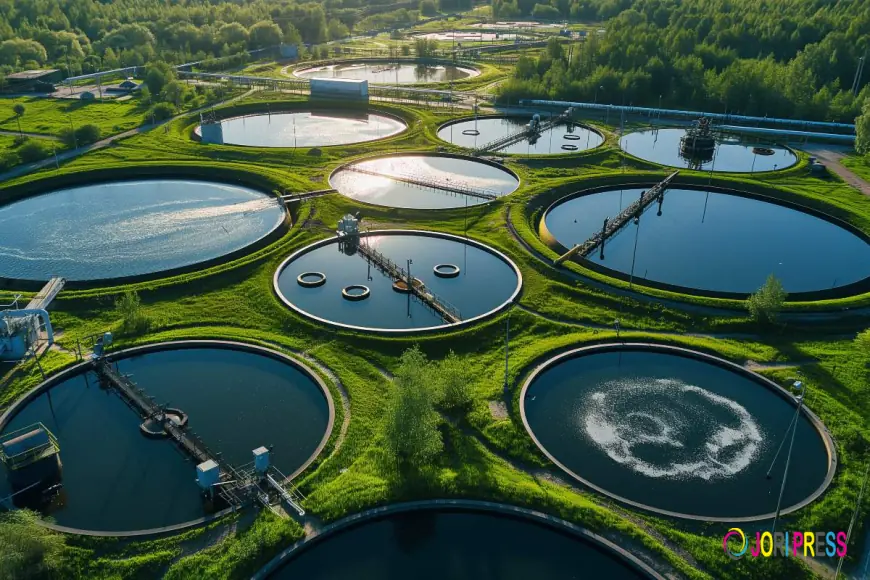
Water utilities work hard to deliver safe, reliable drinking water. But not every gallon they treat reaches a customer. Leaks, aging pipes, inaccurate meters, and operational gaps all cause water loss, which drives up costs and strains the system.
A water loss audit shows utilities where water is going and what to do about it. Here's how it improves water system operations management.
What Is a Water Loss Audit?
A water loss audit is a structured review of how water moves through a distribution system. It compares the water entering the system with the water billed to customers. The gap between the two is lost or "unaccounted-for" water.
Water loss falls into two categories:
-
Real losses: Water that physically escapes from pipes, storage tanks, or other infrastructure.
-
Apparent losses: Water that is used but not measured or billed, often due to inaccurate meters, data errors, or unauthorized use.
Knowing which type you have tells you where to focus your efforts.
Why Water Loss Audits Matter for Operations
A water loss audit is more than a compliance task. It gives utilities practical data to:
-
Prioritize repairs
-
Adjust maintenance schedules
-
Improve system monitoring
This matters most for city water system operations, where large, complex networks can hide inefficiencies for years. Regular audits help utilities spot patterns and weak points before small issues become costly problems.
Better Data Leads to Better Decisions
Utilities pull information from production records, meter readings, and billing systems. An audit checks that these sources agree and flags the inconsistencies.
With accurate data, utilities can see, for example, that losses cluster in certain service areas or are tied to older infrastructure. That insight supports:
-
Targeted leak detection programs
-
Smarter infrastructure upgrades
-
More effective maintenance planning
-
Lower water production costs
Supporting Long-Term Infrastructure Planning
Aging pipelines, outdated meters, and weak monitoring all contribute to water loss. Tracking losses over time shows how the system is really performing.
That record helps agencies prioritize capital improvements, justify funding requests, and build stronger asset management strategies. Instead of reacting to failures, utilities can plan ahead.
Improving System Reliability and Sustainability
Reducing water loss does more than save money. Leaks and unaccounted water put extra strain on infrastructure and treatment capacity. Fixing them early improves stability and lowers the risk of unexpected service disruptions.
It also supports sustainability. For communities facing drought or limited supply, every gallon saved counts.
Turning Audit Results Into Action
The value of an audit lies in what you do with it. The most successful utilities treat audits as an ongoing tool, not a one-time exercise. By building findings into everyday decisions, they can:
-
Strengthen maintenance programs
-
Improve meter accuracy
-
Develop targeted leak detection strategies
Over time, these steps make city water system operations more efficient and resilient.
Work With a Trusted Water Operations Partner
Water loss audits and operational improvements require technical expertise and regulatory knowledge. Exodus Water Services is a fully licensed water operation and compliance company with a team of highly qualified specialists. We support utilities with compliance management, operational planning, and system performance analysis, helping agencies improve efficiency, reduce risk, and keep water services reliable.
What's Your Reaction?
 Like
0
 Dislike
0
 Love
0
 Funny
0
 Angry
0
 Sad
0
 Wow
0