





































Education Equity: Building a Just and Inclusive Learning Ecosystem
At its core, education equity recognises that learners start from different points. Factors such as poverty, gender, disability, language, caste, migration, and access to digital infrastructure significantly affect a child’s educational journey. Treating all students the same often perpetuates inequality because it ignores these structural disadvantages. Equity, therefore, demands intentional actions to remove barriers and create enabling environments where every learner can succeed.

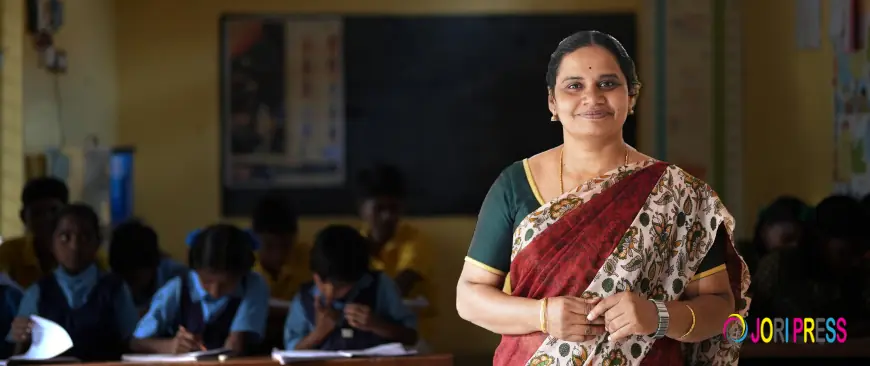
Education equity lies at the heart of a just and progressive society. It goes beyond the idea of providing the same resources to every learner; instead, it focuses on ensuring that every child, regardless of their background, has access to the opportunities, support, and conditions they need to thrive. In a diverse and complex country like India, where social, economic, and geographic disparities deeply influence learning outcomes, education equity is not just an aspiration—it is an urgent necessity.
At its core, education equity recognises that learners start from different points. Factors such as poverty, gender, disability, language, caste, migration, and access to digital infrastructure significantly affect a child’s educational journey. Treating all students the same often perpetuates inequality because it ignores these structural disadvantages. Equity, therefore, demands intentional actions to remove barriers and create enabling environments where every learner can succeed.
Why Education Equity Matters
Education is a powerful lever for social transformation. When learning systems are equitable, they help break intergenerational cycles of poverty and exclusion. Conversely, inequitable education systems reinforce existing social divides, limiting social mobility and economic growth. Education equity ensures that talent and potential are not wasted simply because a child was born into circumstances beyond their control.
In India, learning gaps are visible early and widen over time. Children from marginalised communities are more likely to attend under-resourced schools, experience teacher shortages, and face language barriers. Girls often drop out due to social norms or safety concerns, while children with disabilities struggle with inaccessible infrastructure and limited support services. Addressing these challenges requires a shift from a one-size-fits-all approach to a learner-centred, context-sensitive education system.
From Access to Meaningful Learning
For decades, education reforms have focused heavily on access—building schools, increasing enrolment, and improving attendance. While these efforts are essential, education equity demands that we go further. True equity is achieved not merely when children are present in classrooms, but when they are meaningfully engaged and able to learn.
This involves improving the quality of teaching and learning, especially in schools serving disadvantaged communities. Teachers need continuous professional development, contextual pedagogical support, and the autonomy to adapt instruction to diverse learning needs. Curriculum and assessment systems must also be inclusive, culturally responsive, and aligned with real-world skills, rather than narrowly focused on rote learning.
The Role of Systems and Collaboration
Education equity cannot be achieved through isolated interventions. It requires systemic change driven by strong public education systems and collaborative partnerships. Governments, civil society organisations, educators, communities, and the private sector all have a role to play.
Strengthening governance and leadership at all levels of the education system is critical. Districts and states need the capacity to use data effectively, allocate resources strategically, and respond to local challenges. Community engagement is equally important. When parents, local leaders, and young people are actively involved in shaping education priorities, solutions become more relevant, sustainable, and equitable.
Collaborative platforms that bring together diverse stakeholders help align efforts and avoid fragmentation. By working towards a shared vision of education equity, these partnerships can drive large-scale, long-term impact rather than short-term gains.
Equity in a Changing World
The COVID-19 pandemic starkly exposed existing inequities in education. While some learners seamlessly transitioned to online learning, millions were left behind due to lack of devices, connectivity, or supportive home environments. This digital divide underscored the need to view education equity through a future-oriented lens.
As technology becomes increasingly integrated into education, equity must be a guiding principle in digital transformation. This includes investing in digital infrastructure for underserved areas, designing inclusive edtech solutions, and supporting teachers and students to use technology effectively. Equity also means preparing learners for a rapidly changing world by fostering critical thinking, adaptability, and socio-emotional skills.
A Shared Responsibility
Achieving education equity is not the responsibility of any single institution or sector. It is a collective moral and civic duty. Each stakeholder—policy makers, educators, organisations, parents, and citizens—must ask how their actions contribute to a more inclusive education system.
Importantly, education equity is a journey rather than a destination. It requires continuous reflection, learning, and adaptation. What works in one context may not work in another, and solutions must evolve as societies change. Listening to the voices of learners, especially those most marginalised, is essential to ensuring that equity efforts remain grounded in lived realities.
Moving Forward
A future where every child has the opportunity to learn, grow, and realise their potential is possible—but only if education equity remains at the centre of our collective efforts. By addressing systemic barriers, strengthening public education systems, and fostering collaboration across sectors, we can create learning environments that are fair, inclusive, and empowering.
Education equity is not just about correcting injustice; it is about unlocking human potential at scale. When we invest in equitable education, we invest in a stronger, more resilient, and more compassionate society—one where progress is shared, and no learner is left behind.
What's Your Reaction?
 Like
0
Like
0
 Dislike
0
Dislike
0
 Love
0
Love
0
 Funny
0
Funny
0
 Angry
0
Angry
0
 Sad
0
Sad
0
 Wow
0
Wow
0