




































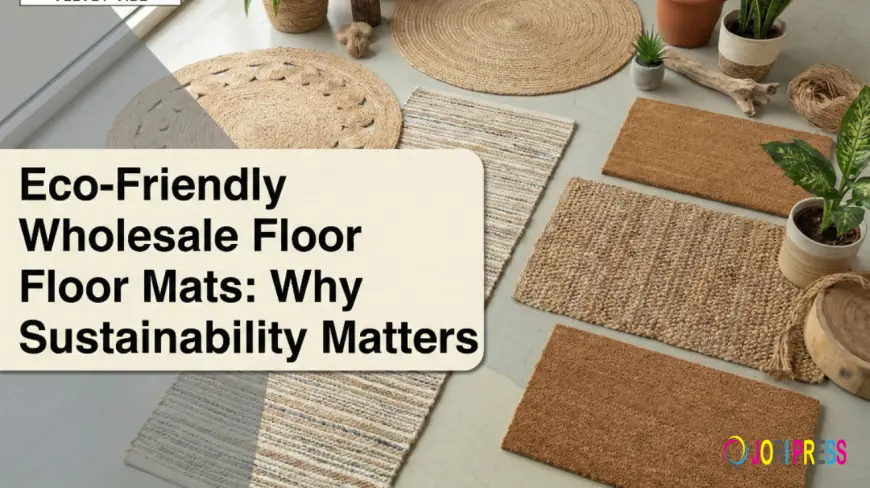
Eco-Friendly Wholesale Floor Mats: Why Sustainability Matters
Discover why eco-friendly wholesale floor mats are becoming essential for modern businesses. Learn about materials, benefits, applications, and sustainability impact in this detailed guide.
Introduction
Sustainability is no longer just a trend—it has become a responsibility for businesses across industries. From packaging to infrastructure, companies are actively seeking greener alternatives that reduce environmental impact without compromising performance. One such product gaining attention is eco-friendly wholesale floor mats. These mats are designed to combine durability, functionality, and environmental responsibility, making them a smart choice for commercial spaces, retailers, hotels, factories, and offices.
In this article, we’ll explore why sustainability matters in floor mat manufacturing, how eco-conscious mats are produced, and why choosing sustainable options can positively impact both your business and the planet.
Why Sustainability Matters in Floor Mats
Environmental Impact of Traditional Floor Mats
Conventional floor mats are often made from synthetic rubber, PVC, or petroleum-based plastics. While durable, these materials come with significant drawbacks:
-
Non-biodegradable and difficult to recycle
-
High carbon footprint during manufacturing
-
Release of harmful chemicals over time
When disposed of, such mats can sit in landfills for decades, contributing to long-term environmental pollution.
The Shift Toward Sustainable Alternatives
Sustainable manufacturing focuses on reducing waste, conserving resources, and minimizing emissions. In the flooring accessories industry, this shift has led to innovations in material sourcing, production techniques, and recycling practices.
What Makes Floor Mats Eco-Friendly?
Sustainable Materials Used
Eco-conscious floor mats are manufactured using renewable or recycled resources. Common materials include:
-
Recycled rubber from used tires
-
Natural rubber sourced responsibly
-
Coir and jute fibers from plant-based sources
-
Recycled PET derived from plastic bottles
These materials help reduce dependency on virgin plastics and promote circular economy practices.
Low-Impact Manufacturing Processes
Manufacturers committed to sustainability often adopt:
-
Energy-efficient machinery
-
Reduced water consumption
-
Non-toxic dyes and adhesives
-
Minimal waste production
This ensures the final product aligns with environmental standards while maintaining quality.
Benefits of Eco-Friendly Wholesale Floor Mats
Long-Term Cost Efficiency
While sustainable mats may appear slightly higher in initial cost, they often prove more economical over time due to:
-
High durability and longer lifespan
-
Lower replacement frequency
-
Reduced maintenance requirements
Enhanced Brand Image
Businesses using environmentally responsible products demonstrate commitment to sustainability. This helps:
-
Build trust with eco-conscious customers
-
Strengthen corporate social responsibility (CSR) initiatives
-
Improve brand reputation in competitive markets
Health and Safety Advantages
Eco-friendly mats are generally free from harmful chemicals such as phthalates and VOCs, making them safer for indoor use, especially in:
-
Offices
-
Schools
-
Healthcare facilities
-
Retail stores
Applications of Eco-Friendly Wholesale Floor Mats
Commercial and Office Spaces
In offices, sustainable mats help maintain cleanliness while supporting green building certifications and workplace wellness goals.
Hospitality and Retail Sectors
Hotels, malls, and retail stores benefit from durable, attractive mats that align with eco-friendly branding and enhance customer experience.
Industrial and Warehouse Use
Heavy-duty eco-friendly mats made from recycled rubber offer excellent anti-slip and anti-fatigue properties, improving worker safety and productivity.
How Eco-Friendly Wholesale Floor Mats Support Sustainability Goals
Contribution to Circular Economy
By using recycled materials, these mats give new life to waste products, reducing landfill pressure and encouraging reuse.
Compliance With Environmental Regulations
Many countries are tightening regulations around plastic use and waste management. Sustainable mats help businesses stay compliant and future-ready.
Support for Green Certifications
Eco-friendly flooring accessories can contribute points toward certifications such as LEED or other green building standards.
Choosing the Right Eco-Friendly Floor Mats
Key Factors to Consider
When selecting sustainable mats for bulk purchase, consider:
-
Material source and recyclability
-
Durability and intended application
-
Ease of cleaning and maintenance
-
Supplier’s sustainability certifications
Partnering With Responsible Suppliers
Working with manufacturers and exporters who prioritize ethical sourcing and transparent processes ensures consistent quality and environmental compliance.
FAQs About Eco-Friendly Wholesale Floor Mats
What are eco-friendly wholesale floor mats made from?
Eco-friendly mats are typically made from recycled rubber, natural fibers like coir or jute, and recycled plastics, all designed to reduce environmental impact.
Are eco-friendly floor mats as durable as traditional ones?
Yes, many sustainable mats are engineered to be just as durable, if not more, than conventional mats, especially those made from recycled rubber.
Can eco-friendly floor mats be used in high-traffic areas?
Absolutely. These mats are designed for commercial use and perform well in high-traffic environments such as malls, offices, and factories.
Do sustainable floor mats require special maintenance?
No, most eco-friendly mats are easy to clean and maintain using standard methods, making them practical for daily use.
Why should businesses buy eco-friendly mats in bulk?
Buying in bulk reduces packaging waste, lowers transportation emissions per unit, and is more cost-effective for large-scale commercial needs.
Conclusion
Sustainability is shaping the future of business decisions, and flooring accessories are no exception. By choosing eco-friendly wholesale floor mats, companies can reduce their environmental footprint while enjoying durable, safe, and cost-effective solutions. These mats not only protect floors and improve safety but also reflect a brand’s commitment to responsible practices.
As consumers and regulations increasingly favor green alternatives, investing in sustainable floor mats is not just an ethical choice—it’s a strategic one. Businesses that act today are better positioned for a cleaner, smarter, and more sustainable tomorrow.
If You get Connect With Us: Pruthishoppers.com
What's Your Reaction?
 Like
0
Like
0
 Dislike
0
Dislike
0
 Love
0
Love
0
 Funny
0
Funny
0
 Angry
0
Angry
0
 Sad
0
Sad
0
 Wow
0
Wow
0