









































Disposable Syringe Suppliers For Flexible Applications
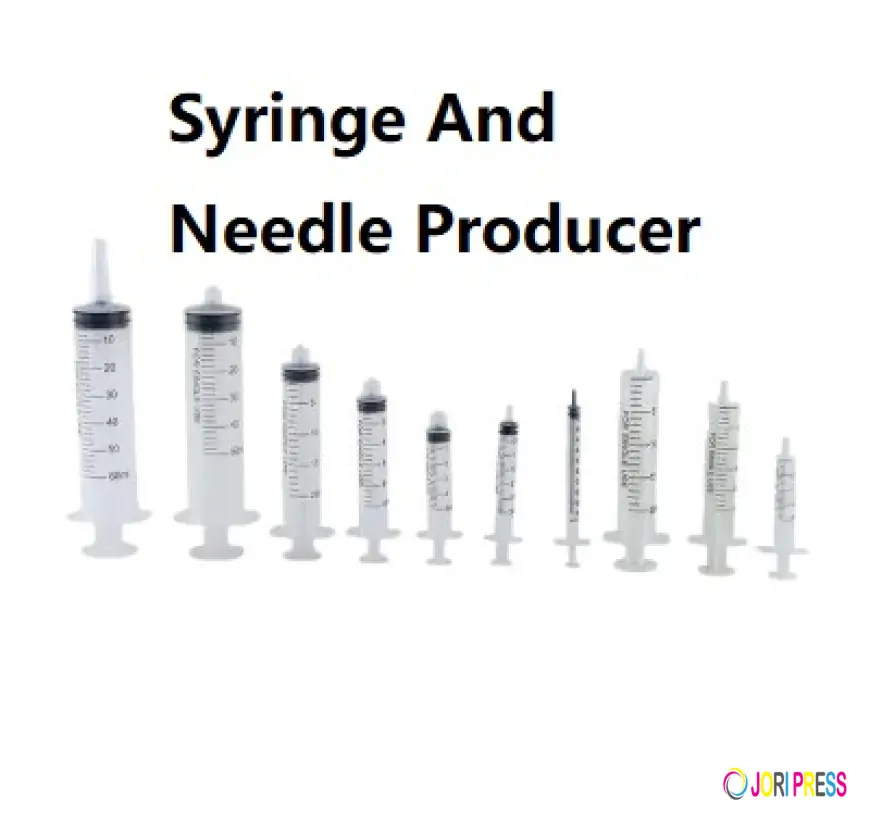
When healthcare distributors evaluate Disposable Syringe Suppliers, they often consider more than product appearance or basic specifications. Reliable Disposable Syringe Suppliers should offer organized manufacturing, suitable material options, consistent dimensions, practical packaging, and clear communication for different purchasing requirements. These factors can help hospitals, laboratories, clinics, and medical distributors build a smoother sourcing process while maintaining suitable product choices for various injection-related applications.
Material Selection Influences Everyday Handling
The materials used in a syringe can affect transparency, movement, sealing, and overall handling. The barrel is produced from high-transparency polypropylene, allowing users to observe the contents more easily while checking the graduated markings. This combination can support clearer volume identification during routine operation.
The piston can use either synthetic rubber or natural rubber, giving buyers different material options according to their product requirements. A suitable tolerance between the barrel and piston, together with medical-grade silicone oil, helps support smooth sliding and effective sealing during use.
Multiple Sizes Simplify Product Planning
Medical purchasing rarely involves only one syringe specification. Different procedures and customer groups may require different capacities, needle sizes, or connection types. A broader product range allows distributors to organize purchasing around actual market demand instead of maintaining a single standard configuration.
Available models include capacities ranging from 1 ml to 60 ml, with Luer Slip and Luer Lock configurations listed for different combinations. Needle specifications also vary across models, giving buyers more flexibility when preparing product selections for healthcare and laboratory customers.
INIMD Uses Automated Production
Automation can play an important role in maintaining consistency throughout medical device manufacturing. Component molding and assembly for the product are carried out with fully automated equipment, reducing direct personnel involvement during key production stages.
A controlled cleanroom environment provides another layer of manufacturing management. Zhejiang INI Medical Devices Co., Ltd. operates a 100,000-class clean workshop and maintains a quality assurance system based on YY/T 0287-2017 and ISO 13485:2016, with certification through TUV and CE marking.
Packaging Can Match Distribution Methods
Packaging requirements can differ according to how products are stored, transported, and supplied. Individual blister packaging can provide a practical option for products that require separate protection, while bulk packaging can be useful when customers purchase larger quantities for organized clinical or laboratory supply.
Choosing an appropriate packaging format can also make inventory handling easier. Buyers can discuss packaging preferences alongside syringe capacity, connection style, needle configuration, and other product details rather than treating packaging as an afterthought.
Building A More Flexible Supply Process
For medical distributors, effective sourcing depends on more than placing an order. Product specifications, manufacturing consistency, inspection procedures, packaging arrangements, and communication should work together throughout the purchasing process.
What's Your Reaction?
 Like
0
Like
0
 Dislike
0
Dislike
0
 Love
0
Love
0
 Funny
0
Funny
0
 Angry
0
Angry
0
 Sad
0
Sad
0
 Wow
0
Wow
0