



































Beyond the Plugin Store: Why Your Business Needs a Custom WordPress Plugin
Learn when custom WordPress plugin development is the right choice. Compare custom and off-the-shelf plugins for better performance and scalability.

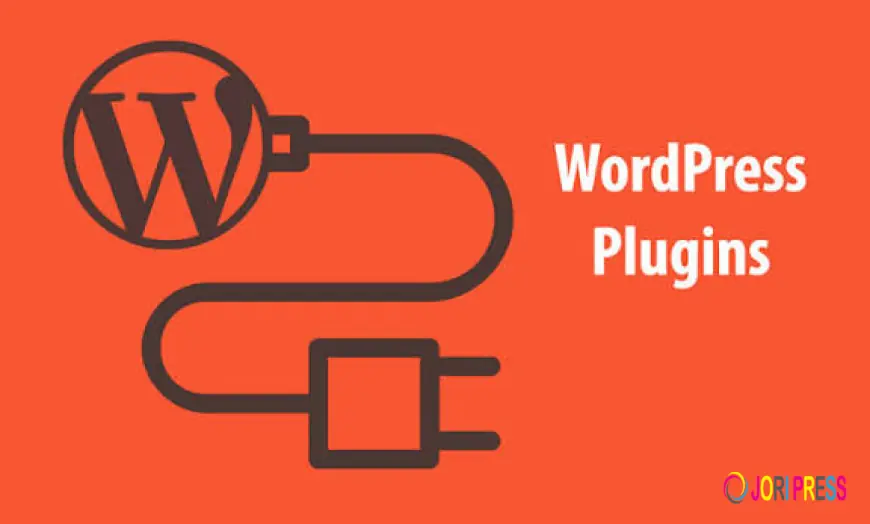
The WordPress plugin store has thousands of options. Need a contact form? There's a plugin. Need a booking system? There's a plugin for that too. For many businesses, these ready-made tools work just fine.
But not every business fits the mold. Sometimes your workflow is unique. Sometimes your industry has specific rules. Sometimes two plugins conflict and break your site. This is where a WordPress plugin development service becomes worth considering. Custom plugins are built around your exact needs, not a generic use case.
This article looks at when off-the-shelf tools stop working and why a custom plugin might be the better path forward.
Why Off-the-Shelf Plugins Have Limits
Pre-built plugins are designed for the average user. They cover common needs well. But they rarely fit a specific business perfectly.
Here are some common limitations:
-
Bloated features: Many plugins include extra tools you never use, slowing down your site.
-
Rigid workflows: Most plugins follow one set process. Your business may not work that way.
-
Compatibility issues: Running several plugins together often leads to conflicts and errors.
-
Security risks: Poorly maintained plugins can leave your site vulnerable.
-
Limited support: Free plugins often come with little to no direct support when something breaks.
None of this means plugins are bad. It just means they have a ceiling. Once your business grows past that ceiling, problems start to show.
Signs Your Business Needs a Custom WordPress Plugin
1. You're Stacking Too Many Plugins to Get One Result
If you need five different plugins just to build one feature, something is off. Each added plugin increases loading time and the risk of conflicts. A custom plugin can replace that whole stack with one clean solution.
2. Your Workflow Doesn't Match Any Existing Plugin
Some businesses have processes that don't fit standard templates. Maybe you need a booking system with unusual rules. Maybe your product catalog works differently than most stores. A custom plugin builds around your process, not the other way around.
3. You're Paying for Features You Don't Use
Many premium plugins bundle features together. You end up paying for tools you'll never touch, just to get the one feature you actually need. Custom development gives you only what your business requires.
4. Plugin Conflicts Keep Breaking Your Site
When plugins from different developers don't play well together, your site can crash or behave strangely. This happens more often as you add more plugins. A custom-built plugin avoids this risk since it's designed specifically for your setup.
5. Your Business Has Unique Compliance or Industry Needs
Some industries have specific data or security requirements. Healthcare, finance, and legal businesses often fall into this category. Off-the-shelf plugins rarely account for these rules. Custom development can build compliance directly into the plugin.
6. You Want Full Ownership of Your Website's Functionality
With third-party plugins, you're relying on someone else to maintain and update the code. If that developer stops supporting the plugin, your site could break. A custom plugin gives your business full control and long-term stability.
7. Your Site Keeps Slowing Down as You Add Features
Every plugin adds some weight to your site. Stack enough of them and your loading speed suffers. A single, well-coded custom plugin is often lighter and faster than several general-purpose ones combined.
Benefits of Custom Plugin Development
Choosing custom development over generic plugins comes with real advantages:
-
Built for your exact needs: No unnecessary features slowing things down.
-
Better performance: Clean, focused code loads faster.
-
Stronger security: Fewer moving parts means fewer vulnerabilities.
-
Full ownership: You control updates and future changes.
-
Long-term scalability: The plugin can grow and adapt as your business changes.
-
Fewer conflicts: One custom tool instead of five competing plugins.
Off-the-Shelf Plugins vs. Custom WordPress Plugin
|
Off-the-Shelf Plugins |
Custom WordPress Plugin |
|
Generic, one-size-fits-all features |
Built around your specific business |
|
Often bundled with unused extras |
Only includes what you actually need |
|
Higher risk of plugin conflicts |
Designed to work smoothly with your site |
|
Support depends on the plugin author |
Direct support from your development team |
|
Limited long-term control |
Full ownership of code and updates |
How to Choose the Right WordPress Plugin Development Service
Not every developer has real plugin experience. Here's what to look for before hiring one.
-
Ask for past plugin projects. A strong developer should show real examples, not just website builds.
-
Check their coding standards. Clean, well-documented code is easier to maintain later.
-
Ask about testing. Plugins should be tested across different WordPress versions and themes.
-
Look for ongoing support. Plugins need updates over time, especially after WordPress core updates.
-
Get clear pricing upfront. Custom development costs vary, so ask for a detailed breakdown before starting.
Taking time on this step can save you from a plugin that breaks down the road.
Conclusion
Off-the-shelf plugins work well for common, simple needs. But once your business outgrows generic tools, custom development becomes the smarter choice. It gives you exactly what you need, nothing more and nothing less.
A custom WordPress plugin can solve problems that no combination of store-bought tools ever could. For businesses with unique workflows or specific requirements, it's often a better long-term investment than patching together plugin after plugin.
Frequently Asked Questions
How much does a custom WordPress plugin cost?
Costs depend on complexity and features. Simple plugins cost less than plugins with advanced functionality. Always ask for a clear quote before starting.
How long does custom plugin development take?
Timelines vary based on scope. Simple plugins may take a few weeks. More complex ones can take a couple of months.
Will a custom plugin work with my existing theme and plugins?
A good developer will test compatibility before launch. This helps avoid conflicts with your current setup.
Do custom plugins need regular updates?
Yes. WordPress core updates regularly, so plugins need occasional maintenance to stay compatible and secure.
Can I combine a custom plugin with existing plugins I already use?
In most cases, yes. A developer can build the custom plugin to work alongside your current tools without conflicts.
What's Your Reaction?
 Like
0
Like
0
 Dislike
0
Dislike
0
 Love
0
Love
0
 Funny
0
Funny
0
 Angry
0
Angry
0
 Sad
0
Sad
0
 Wow
0
Wow
0