



































Cover-Up Tattoos: How Gold Coast Studios Transform Unwanted Ink
That old tattoo doesn't necessarily need to stay a permanent source of frustration. Learn how professional cover-up artists assess existing ink, work with colour and shading, and create new designs that give unwanted tattoos a completely different direction.

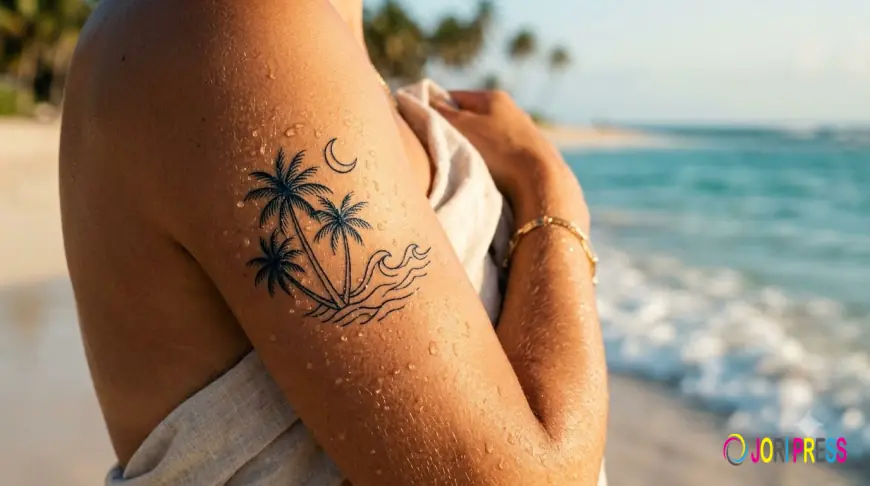
Not every tattoo ages well. Sometimes the problem is poor linework, an outdated style, a name that no longer belongs there, or simply a design that no longer feels right. A cover-up can offer a practical way forward, but covering old ink takes considerably more thought than placing a new tattoo over clear skin.
A Cover-Up Is More Than a Bigger Tattoo
The first mistake people often make is assuming that any unwanted tattoo can simply be covered with a darker design. In reality, the existing tattoo becomes part of the new artwork.
Dark outlines, dense shading and saturated colours can restrict what a tattooer can realistically create. A successful cover-up needs to work with those areas rather than pretending they are not there.
This is why experienced Gold Coast tattoo artists usually assess the existing tattoo before discussing the new design. They look at its size, colour, saturation, placement, line density, and how the ink has changed over time.
Why Colour and Contrast Matter?
Ink does not behave like paint on a blank canvas.
A new tattoo cannot simply place a pale colour over a heavily saturated black area and make the old pigment disappear. Instead, artists use darker values, stronger contrast, strategic shading and carefully chosen shapes to redirect attention.
For example, an old name or lettering may become part of the darker section of a new floral, animal or illustrative design. Existing lines can sometimes be incorporated into leaves, feathers, fur, or other details.
The goal is not always to make every trace of the old tattoo technically invisible. The goal is to make the finished piece read as one intentional design.
Design Starts with the Existing Ink
The location of the tattoo also affects the approach.
A cover-up on the forearm may have different options from one on the ribs, shoulder, or chest. The natural shape of the body can help determine the direction, scale, and composition of the replacement artwork.
Size matters too. A cover-up generally needs enough room to distribute darker areas naturally. Trying to fit a large, complex old tattoo into a tiny new design can make the result look crowded.
That is why a consultation is useful. Bring clear photos if an in-person assessment is not possible, but an artist may still need to see the tattoo directly before confirming what can be achieved.
When Tattoo Removal May Help
Sometimes a full cover-up is not the best starting point.
Laser tattoo removal can lighten existing pigment before a new tattoo is applied. This may give the artist more flexibility with colours, finer details, and overall design.
Removal does not always mean eliminating the old tattoo completely. Partial lightening may be enough to create better options for the next piece. The number of sessions varies depending on factors such as pigment, tattoo age, colour, depth, and individual response.
Anyone considering removal should consult a qualified medical or laser professional rather than assuming that every tattoo responds in the same way.
What Makes a Cover-Up Look Natural?
Good composition is usually more important than simply adding darkness.
The replacement design needs a clear focal point. Supporting details should help balance the heavier areas created by the old tattoo. Texture and shading can then connect everything together.
Popular cover-up approaches include:
- Florals and botanical designs
- Animals and wildlife
- Black-and-grey realism
- Ornamental patterns
- Geometric compositions
- Traditional and neo-traditional artwork
- Larger illustrative pieces
The right option depends heavily on the tattoo underneath.
Choosing a Studio for a Cover-Up
When researching a tattoo parlour Gold Coast, don't judge a studio only by its general tattoo portfolio. Look specifically for healed cover-up work where possible.
Healed photographs are useful because freshly completed tattoos can look very different once swelling settles and the skin has recovered. Ask how the artist approaches difficult pigment, whether they recommend lightening first, and what aftercare will be required.
Most importantly, be realistic about the result. A skilled tattooer can transform an unwanted tattoo, but existing ink always affects the available design options.
Final Takeaway
A successful cover-up starts with understanding what is already on the skin. Colour, placement, saturation, age, and design all influence the solution. With careful planning, the old tattoo can become part of a completely different piece rather than something that continues to dominate the area.
What's Your Reaction?
 Like
0
Like
0
 Dislike
0
Dislike
0
 Love
0
Love
0
 Funny
0
Funny
0
 Angry
0
Angry
0
 Sad
0
Sad
0
 Wow
0
Wow
0