
























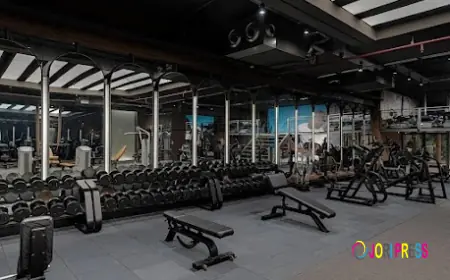



Commercial Fitness Equipment | Gym Equipments - HF Lifestyle Singapore
Proud to be a Singapore-born business, HF Lifestyle has been in the Fitness Equipment industry since 2016. HF Lifestyle is the expert you need for repairing and maintaining fitness equipment such as treadmills, cross-trainers, as well as designing gym layouts for new or upgraded gyms.
Fitness and Gym Equipments are workout equipment made from high-quality industrial materials. This equipment is meant for use in gyms, fitness centers, hotels, schools, rehabilitation centers, and corporate fitness centers. The types of such equipment range from treadmills, exercise bikes, rowing equipment, strength machines, free weights, cable equipment, and functional training equipment.
What Is Adaptive Fitness Training?
Fitness training tailored to adaptability involves an exercise regimen that caters to people who have certain physical, neurological, sensory, or mobility issues. This type of exercise program does not follow a generic exercise regimen but tailors itself according to the individual's needs, objectives, and medical restrictions.
Adaptive fitness can be advantageous for:
- People with physical limitations
- Senior citizens with limited mobility
- Post-operation patients
- Stroke victims
- People suffering from arthritis
- People with neurological issues
- Beginners in need of low-impact exercise
- Injured athletes
Improvement of one’s general health condition is the main objective, alongside injury prevention.
Can Commercial Fitness & Gym Equipments Support Adaptive Fitness Training?
Yes, commercial fitness equipment and gym equipment can be used for adaptive fitness training through adjustable cable columns, detachable seats, low resistance levels at start-up, ergonomic design, and custom workout programs.
This is possible since the above characteristics allow people with varying physical capabilities or disabilities to train effectively without risk. The use of adaptive equipment allows people of all fitness levels to train inclusively.
Equipment Categories That Perform Best for Adaptive Training
1. Functional Trainers / Cable Machines
Functional trainers and cable machines equipped with adjustable pulleys offer an infinite range of motion, and therefore, people can exercise while sitting, standing, or even in wheelchairs.
2. Recumbent and Seated Cardio Equipment
People who have difficulties moving can comfortably exercise through the use of Recumbent bikes, seated ellipticals, and Arm Ergometers without putting much strain on their joints and bones.
3. Selectorized Strength Machines with Transfer Space
Resistance training machines that are wheelchair accessible have supporting seats and handrails to ensure stability of the user in the right body alignment, and also enable the users to do resistance training.
4. Smart/Connected Strength Systems
Advanced commercial strength machines control resistance levels, monitor the individual workout parameters, simplify the use of exercise machines, and maximize accessibility for individuals with limited strength, mobility, or dexterity.
5. Modular and Multi-Modality Platforms
These advanced modules for commercial application are meant to incorporate resistance training, balance training, and functional training in one piece of equipment for people with different capabilities.
How Can Commercial Fitness & Gym Equipment Support Adaptive Fitness Training?
Fitness training is facilitated because of the commercial fitness equipment, since it provides quality and safe fitness equipment. The adaptability of the equipment makes the fitness personal to fit the capabilities and mobility of each person.
1. Adjustable Resistance Levels Allow Personalized Training
Adjustable resistance enables the user to control the difficulty level of his/her exercises according to the strength that he/she has. It enables the progression and reduces injury in the process of exercising.
Commercial strength machines, resistance bands, and resistance exercise machines provide a variety of choices to new users, old users, and users with rehabilitation programs. The trainer can slowly add resistance as the user gets stronger.
2. Accessible Strength Equipment Supports Different Abilities
The ease of access to strength equipment is due to ergonomic designs, adjustable seats, different grips, and assisted movements. Such choices allow people with mobility challenges to perform their strength exercises easily.
Strength equipment such as chest press machines, leg press machines, and cable machines can be adjusted according to the size of the body, range of movement, and the needs of the individual.
3. Low-Impact Cardio Machines Improve Workout Accessibility
The low-impact cardiovascular equipment has improved alternatives to working out through the minimization of joint strain and improved cardiovascular health. This kind of equipment can be used by individuals having difficulty moving around.
Bicycles, elliptical trainers, treadmills, and arm ergometers have helped with controlled movement. It has become possible for people to develop endurance and fitness without becoming exhausted.
4. Smart Fitness Technology Enables Customized Workouts
Intelligent fitness technology helps in generating personalized adaptive exercises through digital monitoring, profiling, measuring the heart rate, and assessing the performance.
Modern commercial gym equipment monitors workouts and gives helpful feedback. The trainer is able to track the progress, modify exercise routines, and develop a custom program that corresponds to the individual user’s abilities and development.
What to Look for When Buying or Auditing Equipment
|
Feature |
Why It Matters for Adaptive Training |
|
Step-through or open frame design |
Allows wheelchair approach and transfer without obstruction |
|
Adjustable seat height/removable seat |
Supports transfers and different body types |
|
Independent (unilateral) resistance arms |
Trains one side without forcing symmetrical movement |
|
Multiple grip attachment points |
Accommodates limited hand function or prosthetics |
|
Digital/magnetic resistance |
Allows micro-adjustments and automatic load correction |
|
Clear signage and intuitive controls |
Supports cognitive and visual accessibility |
|
Documented compliance (IFI / Universal Design) |
Confirms third-party accessibility validation, not just marketing |
How Can Gyms Create an Adaptive Fitness Environment?
Fitness centers may be able to provide an adaptive fitness environment through the provision of accessible equipment, professional staff members, safe training areas, and individualized training programs. Adapted machines, wide pathways, and professional assistance allow users to work out effectively and independently.
Who Uses This Equipment
Commercially adaptable equipment has already become the norm in rehabilitation hospitals, outpatient physiotherapy clinics, occupational therapy facilities, retirement homes, schools, community recreation centers, and adaptive sports organizations, hence the reason why it is made to be commercially durable rather than being a specialized medical device.
Common Challenges and Solutions
|
Challenge |
Solution |
|
Limited mobility |
Use seated or wheelchair-accessible machines |
|
Joint pain |
Select low-impact cardio equipment |
|
Muscle weakness |
Begin with light resistance and gradual progression |
|
Balance concerns |
Use guided strength machines and support rails |
|
Fatigue |
Shorten sessions and increase recovery time |
|
Accessibility barriers |
Install inclusive commercial equipment layouts |
Conclusion
Commercial fitness and gym equipment can be quite useful when designing any adaptive fitness regimen. The opportunity to adjust the intensity of resistance, ergonomically developed equipment, the integration of technology, and low-impact exercises are some of the features that make it possible for individuals of different physical capabilities to exercise with confidence.
What's Your Reaction?
 Like
0
Like
0
 Dislike
0
Dislike
0
 Love
0
Love
0
 Funny
0
Funny
0
 Angry
0
Angry
0
 Sad
0
Sad
0
 Wow
0
Wow
0