








































Choosing the Best Chamfer Tool for Different Metals
Learn how to choose the right chamfer tool for steel, aluminum, and stainless steel based on material properties, cutting performance, and edge quality.
A Practical Guide to Chamfering Steel, Aluminum, and Stainless Steel
In CNC machining, creating clean edges is essential for improving component quality, removing sharp corners, and preparing parts for assembly. Selecting the right CNC tool for chamfering depends on the workpiece material, cutting conditions, and required finish. Steel, aluminum, and stainless steel each behave differently during machining, so choosing a suitable tool helps reduce burrs, improve accuracy, and maintain consistent production quality.
What Is a Chamfer Tool?
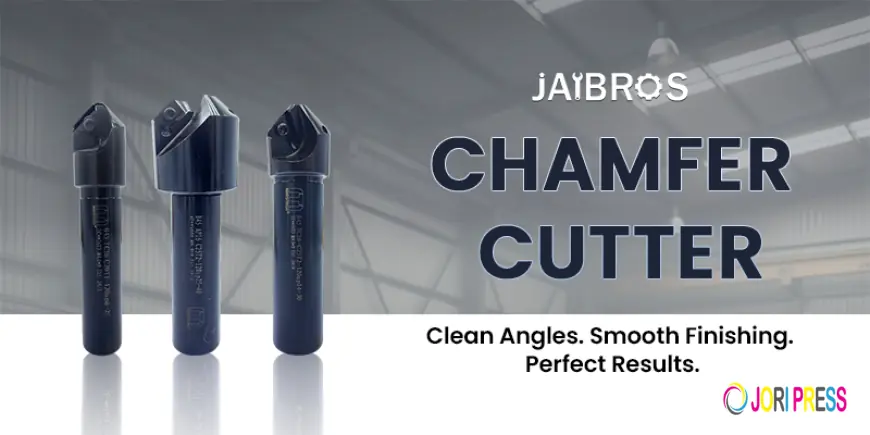
A chamfer tool is a cutting tool designed to create an angled edge on a workpiece. Chamfering removes sharp corners and can make components safer to handle, easier to assemble, and more suitable for finishing operations.
In CNC machining, CNC tools used for chamfering are available in different geometries, cutting angles, and materials. A chamfer cutter may be made from carbide or high-speed steel, depending on the application. Common chamfer angles include 45 and 90 degrees, although the correct angle depends on the component drawing and machining requirements.
Choosing the right chamfer tool type requires considering material hardness, cutting speed, tool life, and the desired edge finish.
Choosing a Chamfer Tool for Steel
Steel is widely used in industrial components, machine parts, and automotive applications. Its machining characteristics vary according to its grade, hardness, and heat treatment.
For general steel machining, carbide chamfer tools are often suitable because they provide good wear resistance and maintain cutting performance under demanding conditions. High-speed steel tools may also work well in lower-speed applications or less demanding operations.
When selecting a CNC tool for steel, consider the following factors:
-
Tool material: Carbide is useful for higher productivity and longer tool life when cutting conditions are appropriate.
-
Cutting geometry: A suitable cutting edge helps control cutting forces and reduce burr formation.
-
Cutting parameters: Use speeds and feeds recommended for the tool, steel grade, and machine setup.
-
Rigidity: Secure workholding and minimal tool overhang help prevent vibration and uneven chamfers.
For harder steel grades, tool wear and heat generation require closer attention. Inspecting the cutting edge regularly helps maintain consistent results.
Which Chamfer Tools Work Best for Aluminum?
Aluminum is relatively soft and easy to machine, but it can stick to the cutting edge and produce built-up material if the tool geometry or cutting conditions are unsuitable. This can affect surface finish and dimensional accuracy.
For aluminum machining, sharp carbide chamfer cutters with polished cutting edges and suitable flute geometry are often effective. These features help the tool cut cleanly and allow chips to escape more easily.
When choosing a CNC tool for aluminum, focus on these practical considerations:
-
Sharp cutting edges: These help reduce cutting resistance and produce cleaner chamfers.
-
Chip evacuation: Appropriate flute geometry helps prevent chips from collecting around the cutting edge.
-
Suitable coatings: Use a coating specifically recommended for aluminum rather than assuming every coated tool performs equally well.
-
Correct speeds and feeds: Follow the tool manufacturer's recommendations and adjust according to the alloy and machine setup.
Aluminum can often be machined at higher cutting speeds than steel, but the correct settings depend on the alloy, tool diameter, machine capability, and workholding. Regularly checking for built-up edge can help identify problems before they affect a batch of components.
Selecting a Chamfer Tool for Stainless Steel
Stainless steel can be more challenging to machine because some grades work-harden and generate considerable heat during cutting. Using an unsuitable tool or allowing the tool to rub against the workpiece can shorten tool life and produce poor edge quality.
A carbide chamfer cutter designed for stainless steel can provide reliable performance when paired with suitable cutting parameters. The tool should have appropriate edge strength and geometry for the specific stainless steel grade.
When using a CNC tool for stainless steel, avoid unnecessary dwell time and follow the recommended cutting conditions. Maintain a consistent feed to reduce rubbing, and use suitable coolant where the operation and tooling permit it.
Tool wear should be monitored carefully because a worn cutting edge can increase cutting forces, create burrs, and affect the finished chamfer.
Other Factors to Consider Before Buying
Material compatibility is only one part of tool selection. Before purchasing chamfer tools, check the required chamfer angle, tool diameter, shank size, machine compatibility, and workpiece geometry.
Also consider the expected production volume. A tool used for occasional maintenance work may have different requirements from one used in continuous production.
Related workshop tools serve different purposes. A filler gauge measures small gaps, a Torx screw uses a star-shaped drive, and a knurling tool creates a textured surface for grip. These tools are useful in manufacturing environments, but they do not replace a chamfer cutter.
For industrial buyers comparing machining products, Jaibros offers a range of CNC tooling solutions. Reviewing the tool specifications against the workpiece material and machining requirements is a practical way to narrow down suitable options.
Conclusion
Choosing the right chamfering tool for steel, aluminum, and stainless steel requires understanding how each material behaves during cutting. Steel often benefits from wear-resistant tooling, aluminum generally needs sharp edges and effective chip evacuation, and stainless steel requires careful control of heat and cutting conditions.
The right CNC tool can improve edge consistency, reduce burrs, and support reliable production. Always verify tool compatibility, follow manufacturer recommendations, and inspect the finished chamfer to ensure it meets the component's specifications.
What's Your Reaction?
 Like
0
Like
0
 Dislike
0
Dislike
0
 Love
0
Love
0
 Funny
0
Funny
0
 Angry
0
Angry
0
 Sad
0
Sad
0
 Wow
0
Wow
0