










































Marine Engine Repair Melbourne: A Complete Guide to Boat Engine Maintenance and Repairs

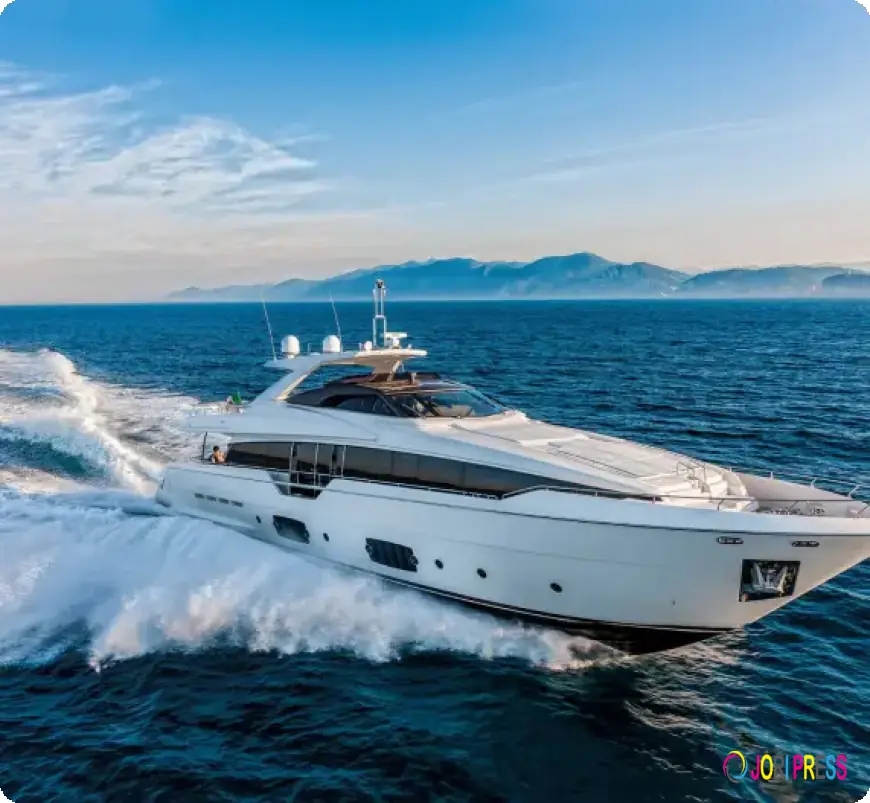
A reliable marine engine is essential for safe and enjoyable boating. Whether you own a recreational boat, fishing vessel, yacht, or commercial marine craft, regular maintenance helps keep your engine operating efficiently and reduces the risk of unexpected breakdowns. Finding professional marine engine repair Melbourne services can help boat owners identify mechanical problems early, maintain engine performance, and extend the life of their vessels.
Marine engines operate in challenging environments where saltwater, moisture, vibration, and changing weather conditions can affect mechanical components. Routine inspections and timely repairs are therefore important for maintaining reliability, safety, and long-term performance.
Understanding Marine Engine Repair Services
Marine engine repair involves diagnosing, servicing, and repairing the mechanical and electrical systems that power boats and other marine vessels. Depending on the engine type and the nature of the problem, repairs may include fuel system maintenance, cooling system inspections, electrical troubleshooting, and replacement of worn components.
Experienced marine technicians can assess engine performance, identify potential faults, and recommend suitable repair solutions. These services may cover both inboard and outboard engines, including petrol and diesel systems. Choosing a repair service familiar with your engine's manufacturer and model can help ensure that the correct procedures and replacement parts are used.
Common Marine Engine Problems
Marine engines can develop several problems over time, particularly when maintenance is irregular or the vessel operates in demanding conditions.
One common issue is engine overheating, which may result from restricted water flow, damaged impellers, blocked cooling passages, or thermostat problems. Ignoring overheating can cause significant engine damage.
Fuel system issues are another concern. Contaminated fuel, blocked filters, damaged fuel lines, and injector problems can lead to difficult starting, poor acceleration, or inconsistent engine performance.
Electrical faults may affect ignition systems, batteries, alternators, and starter motors. Corrosion around electrical connections can also interrupt power delivery and make an otherwise healthy engine difficult to start.
Unusual noises, excessive vibration, smoke, fluid leaks, and reduced power are additional warning signs that should be investigated by a qualified marine mechanic.
The Importance of Regular Marine Engine Maintenance
Preventive maintenance is one of the most effective ways to reduce the likelihood of expensive engine repairs. Following the manufacturer's recommended service schedule helps keep essential components in good working condition.
Regular servicing may include changing engine oil and filters, inspecting belts and hoses, checking fuel filters, testing batteries, and examining the cooling system. Marine technicians may also inspect the propeller, transmission, and other related components when appropriate.
For boats operating in saltwater, corrosion prevention is particularly important. Rinsing suitable external components with fresh water, maintaining protective coatings, and checking anodes can help reduce corrosion-related damage.
Keeping accurate service records is also useful. These records allow owners and technicians to monitor previous repairs, identify recurring issues, and plan future maintenance more effectively.
Choosing Marine Engine Repair Melbourne Specialists
When searching for marine engine repair Melbourne providers, boat owners should consider experience, technical qualifications, service capabilities, and familiarity with their particular engine.
A suitable repair specialist should be able to explain the problem clearly, outline the recommended work, and provide an estimate before proceeding with major repairs. Transparent communication helps owners understand the condition of their engine and make informed maintenance decisions.
It is also worth asking whether the service provider works with your engine brand, offers diagnostic testing, and can source appropriate replacement components. If the boat is difficult to transport, ask whether mobile marine servicing or on-site inspections are available.
Customer reviews and recommendations from other boat owners can provide additional insight into service quality, reliability, and communication.
Benefits of Professional Marine Engine Diagnostics
Modern marine engines may use electronic control systems and sensors to monitor performance. Diagnostic equipment can help technicians identify fault codes, investigate sensor readings, and narrow down the possible causes of engine problems.
However, diagnostic codes do not always identify the underlying cause on their own. A technician may need to perform additional inspections and mechanical tests before recommending repairs.
Professional diagnostics can reduce unnecessary part replacements and help ensure that repairs address the actual problem. This approach is especially valuable when an engine experiences intermittent faults, reduced power, excessive fuel consumption, or starting difficulties.
Preparing Your Boat for a Marine Engine Service
Before arranging a service, gather information about your boat and its engine. Details such as the manufacturer, engine model, approximate operating hours, and previous maintenance history can help the technician prepare for the inspection.
Make a note of any unusual symptoms, including when they occur and whether they happen during starting, idling, acceleration, or extended operation. Photographs of visible leaks or damaged components may also be helpful.
If the engine has overheated, lost oil pressure, or developed a serious mechanical noise, avoid continuing to operate it until the issue has been assessed. Running a damaged engine can turn a manageable repair into a major mechanical failure.
Tips for Extending Marine Engine Life
Consistent maintenance and responsible operation can help extend engine life. Follow the manufacturer's servicing intervals, use the recommended lubricants and fluids, and replace filters according to the service schedule.
Inspect the engine compartment regularly for leaks, corrosion, loose connections, and damaged hoses. Ensure that ventilation and cooling systems function correctly, and avoid operating the engine outside its recommended limits.
Proper winterisation or storage preparation may also be necessary when a boat will remain unused for an extended period. The correct procedure depends on the engine type, climate, and storage conditions, so consult the manufacturer's guidance or a marine technician.
Conclusion
Reliable engine performance is essential for safe boating, efficient operation, and long-term vessel ownership. Regular servicing, early fault detection, and professional repairs can help prevent unexpected breakdowns and protect valuable marine equipment.
By choosing an experienced marine engine repair Melbourne specialist, boat owners can obtain appropriate diagnostics, maintenance recommendations, and repair support suited to their vessel. Combining professional servicing with routine inspections and responsible engine care helps keep a marine engine in better condition for years of dependable use.
What's Your Reaction?
 Like
0
 Dislike
0
 Love
0
 Funny
0
 Angry
0
 Sad
0
 Wow
0