








































How Much Bacteriostatic Water for 1500mg Glutathione?
Understanding the purpose of bacteriostatic water, proper reconstitution techniques, and correct storage practices can help support product quality while reducing the risk of contamination. Always rely on the guidance provided with the specific glutathione product rather than assuming a standard mixing volume.

How Much Bacteriostatic Water for 1500mg Glutathione?
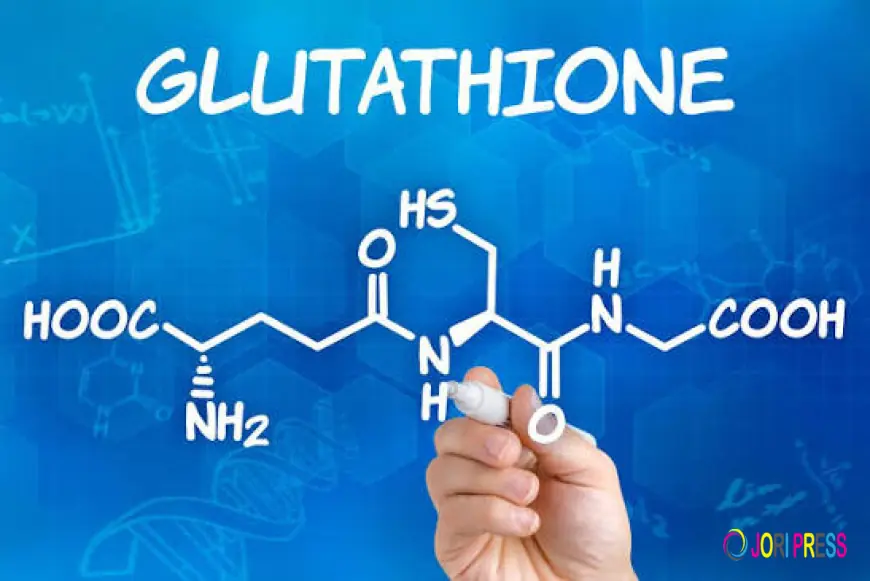
Glutathione is one of the most widely studied antioxidants in the body. It plays an important role in protecting cells from oxidative stress and supporting normal cellular function. Injectable glutathione is commonly supplied as a lyophilized (freeze-dried) powder that must be reconstituted before use.
A common question is: How much bacteriostatic water should be added to a 1500mg glutathione vial? The answer depends on the desired concentration, the manufacturer’s instructions, and the intended clinical or research protocol.
Why Is Bacteriostatic Water Used?
Bacteriostatic water is sterile water that contains a small amount of benzyl alcohol. This preservative helps reduce bacterial growth after the vial has been opened, making it suitable for products that may require multiple withdrawals when used according to appropriate guidelines.
It is commonly used to reconstitute many lyophilized injectable compounds because it allows the powder to dissolve into a solution before administration.
There Is No Single Standard Volume
There is no universal amount of bacteriostatic water that should be added to every 1500mg glutathione vial.
The appropriate volume depends on several factors, including:
- The manufacturer’s preparation instructions
- The desired final concentration
- The intended dosing protocol
- Healthcare provider preferences
- Product formulation
Because these variables differ between products, different preparation volumes may all be appropriate in different settings.
Understanding Concentration
When a powder is mixed with bacteriostatic water, the final concentration changes depending on the amount of liquid added.
For example:
- Adding less liquid creates a more concentrated solution.
- Adding more liquid creates a less concentrated solution.
This concentration determines how much solution contains a specific amount of glutathione. For this reason, preparation should always follow the instructions supplied with the product or the guidance of a qualified healthcare professional.
Reconstitution Tips
Proper handling helps maintain product quality and sterility.
General best practices include:
- Wash your hands before handling the vial.
- Clean the rubber stopper with an alcohol swab.
- Use a new sterile syringe and needle.
- Inject the bacteriostatic water slowly against the inside wall of the vial rather than directly onto the powder.
- Gently swirl the vial until the powder has completely dissolved.
- Avoid vigorous shaking, as excessive agitation may affect solution quality.
Storage After Reconstitution
Once reconstituted, glutathione should be stored according to the manufacturer’s recommendations.
In many cases, this includes refrigeration and protection from excessive heat and direct sunlight. The solution should be inspected before use and discarded if it becomes cloudy, changes color unexpectedly, or contains visible particles.
Always follow the storage instructions provided with the specific product.
Safety Considerations
Injectable glutathione should only be prepared and administered under appropriate professional guidance. Individuals should never estimate preparation volumes or substitute instructions from other products, as formulations and intended concentrations can vary.
If there is uncertainty about reconstitution or storage, consult the product documentation or a qualified healthcare provider before use.
Conclusion
There is no single answer to how much bacteriostatic water should be added to a 1500mg glutathione vial. The correct amount depends on the manufacturer’s directions and the desired concentration for the intended protocol. Following official preparation instructions helps ensure the solution is prepared safely and consistently.
What's Your Reaction?
 Like
0
Like
0
 Dislike
0
Dislike
0
 Love
0
Love
0
 Funny
0
Funny
0
 Angry
0
Angry
0
 Sad
0
Sad
0
 Wow
0
Wow
0