

































Best Henna Manufacturers in India: USA Buyer’s Guide
The best henna manufacturers in India combine farm-to-powder traceability with lab-backed quality control. For USA buyers, prioritize suppliers who share a current Certificate of Analysis (CoA), microbial and heavy-metal test results, and clear origin details like Sojat or Rajasthan. Also check processing methods, mesh size, and hygienic packaging. Order small samples, run a third-party lab test, and do an in-house paste trial to confirm color release and conditioning benefits. Finally, prefer vendors with export experience, clear batch numbering, and reliable moisture-proof packing. For a trusted organic source and export-ready product details, see Organic Henna Powder</a>.

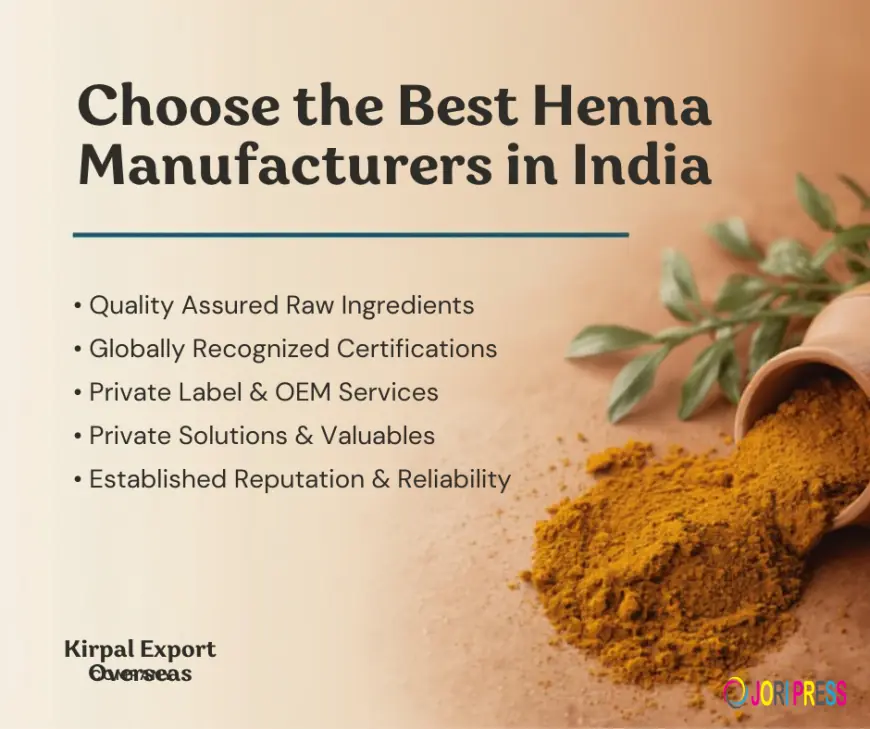
Best Henna Manufacturers in India: USA
Buyer’s Guide
Introduction
Finding the best henna manufacturers in India matters if you sell natural hair color in the USA. Start with clear quality checks and proper paperwork. Look for test reports, traceability, and organic or ISO certifications. Also, check the harvest place and processing methods. This guide gives practical steps for USA importers. It shows how to pick leading henna manufacturers and trusted henna manufacturers. Finally, it lists red flags and FAQ items to speed up your supplier decision.
Why supplier choice matters for USA buyers
Your end customers expect safe, natural results. Low-quality henna brings inconsistent color and complaints. Worse, adulterated products can cause recalls and legal issues. Therefore, you must verify purity and test results. Also, ask about the harvest year and storage. Freshness affects dye strength. Finally, prefer suppliers who share lab reports and allow audits.
Start with product and technical specs
Ask for these documents up front:
-
Certificate of Analysis (CoA) showing lawsone content and heavy-metal tests.
-
MSDS / SDS for safe handling and shipping.
-
Microbial and pesticide reports from accredited labs.
-
Mesh size and sift count (5x, 3x, etc.).
-
Processing method (sun-dried, shade-dried, or machine-dried).
A reliable CoA reduces customs friction. It also proves product safety to US buyers and retailers.
Look for recognized certifications
Certifications add trust. Common useful certifications:
-
USDA Organic / NPOP / EU Organic for organic claims.
-
ISO 9001 / GMP for quality systems.
-
GI tag for Sojat henna if a supplier claims Sojat origin.
Certified suppliers usually maintain documented controls. For example, several henna exporters list USDA Organic among their credentials.
Verify origin and harvest practices
Henna quality varies by region and crop year. Sojat and nearby Rajasthan areas often produce high-lawsone leaves. Ask the supplier:
-
Which district and harvest year?
-
Do they use rain-fed or irrigated farming?
-
Do they practice crop rotation or organic pest control?
Traceability builds confidence. It also helps if a regulatory issue arises.
For context: Sojat has a long history of high-quality henna and recently received GI recognition and scrutiny around authenticity. Check lab tests and public reports before you buy.
Test small samples before scaling
Never buy a full container without lab verification. Follow this two-step test:
-
Order 100–500 g samples.
-
Run a local third-party test for lawsone, microbes, and heavy metals.
Also, make a small in-house paste test. Note color release, aroma, texture, and conditioning effect. Do this in your target climate. For example, US humidity affects storage and shelf life.
Confirm manufacturing and hygiene controls
Visit or audit if possible. If not, ask for:
-
Photos or videos of processing lines.
-
Sanitation SOPs and worker safety records.
-
Batch numbering system that links raw material to final product.
Transparent manufacturers will share these details. They also welcome independent audits.
Packaging, shelf life and export readiness
Good exporters use moisture-proof, food-grade packaging. Check:
-
Barrier bags, nitrogen flushing, or desiccants.
-
Expiry or best-before dates.
-
Export documentation and sample packing lists.
Also check that the shipment includes a CoA and an invoice showing batch numbers. These speed up customs clearance in the USA.
Regulatory notes for USA importers
Know the key legal points before you import:
-
The FDA regulates cosmetics and monitors imports. You must ensure product safety and proper labeling. The FDA inspects imports and can detain suspect shipments. Keep ingredient lists and supporting test data ready.
-
Note: Henna used as a skin colorant faces stricter scrutiny. Check intent of use. If your product targets hair coloring, keep claims and labels clear.
-
Maintain records for audits. This includes COAs, supplier invoices, and lab tests.
Pricing, MOQ, and logistics
Balance price and quality. Low price can mean poor lawson or fillers. Ask about:
-
MOQ (minimum order quantity) and sample charges.
-
FOB / CIF terms and lead times.
-
Shipping options and expected transit times to your US port.
-
Customs duties and HS code classification.
Negotiate a small trial order and allow time for testing.
Red flags to watch for
Avoid suppliers who:
-
Refuse to provide CoA or lab reports.
-
Provide vague origin claims like “pure Sojat” without documents.
-
Offer unusually low prices for export-grade product.
-
Use evasive answers about processing and packing.
If a supplier claims instant color or chemical-free but will not verify tests, walk away.
How to vet "trusted henna manufacturers"
Use this checklist when you shortlist suppliers:
-
They give a verifiable CoA and SDS.
-
They hold at least one organic or quality certificate.
-
They allow factory videos or third-party audits.
-
They provide clear batch numbering and ingredient lists.
-
They offer small trial orders and answer technical questions.
This process helps you find leading henna manufacturers who serve international markets.
Case study: What a good supplier shares
A trustworthy supplier will share:
-
Harvest note: Sojat, 2025 crop.
-
CoA: lawsone 1–1.8%, heavy metals below limits.
-
Processing: shade-dried, triple-sifted (100 mesh).
-
Packaging: 25 kg sealed kraft sacks with inner LDPE liners.
-
Certifications: USDA Organic / ISO 9001.
If you get this, you can begin a pilot order with confidence.
FAQ—Quick answers
Q: How much lawsone is “good”?
A: For body-art quality, 0.8–2% lawsone is common. For hair use, look for consistent color release.
Q: Can I import raw henna powder to the USA?
A: Yes, but you must comply with FDA rules for cosmetics and provide test reports and labels.
Q: Do I need organic certification?
A: Organic certification boosts market value. It also helps with retailer onboarding and US organic claims.
Q: What if the supplier claims “Sojat henna”?
A: Request traceability documents and a harvest certificate. Sojat is a premium origin, and proof matters.
Final checklist before you place an order
-
Receive a current CoA from an accredited lab.
-
Test a small sample in your lab or with a third party.
-
Confirm packaging and shelf-life needs for US storage.
-
Verify certifications and facility hygiene standards.
-
Confirm shipping terms and customs documents.
Closing note
Choosing the best henna manufacturers in India requires clear checks. Focus on CoAs, traceability, and certifications. Also, test samples and verify export readiness. For a reliable product and export support, see our organic henna range at Kirpal Export Overseas. Working methodically prevents surprises and builds long-term supply success.
What's Your Reaction?
 Like
0
Like
0
 Dislike
0
Dislike
0
 Love
0
Love
0
 Funny
0
Funny
0
 Angry
0
Angry
0
 Sad
0
Sad
0
 Wow
0
Wow
0