





































10 Best Company Vehicle Safety Practices Every Business Should Follow

Company vehicles play an important role in daily business operations. From employee transportation and client visits to deliveries and commercial services, businesses depend on vehicles to keep their operations running smoothly. However, managing company vehicles also comes with responsibilities, particularly when it comes to protecting employees, preventing accidents, and reducing driving-related risks.
Implementing effective company vehicle safety practices can help businesses create safer working environments, improve driver awareness, and protect their vehicles. Whether an organization operates a small group of company cars or manages a large commercial fleet, having clear safety policies and using modern technology can make a significant difference.
Today, businesses can also take advantage of safe driving apps, GPS tracking systems, driver monitoring tools, and intelligent in-car safety devices to encourage responsible driving behavior.
Here are 10 important company vehicle safety practices every business should follow to promote safer driving and improve fleet management.
1. Establish Clear Company Vehicle Safety Policies
One of the most important steps toward improving company vehicle safety is creating clear driving policies for employees. Every driver should understand the organization's expectations, responsibilities, and safety requirements before operating a company vehicle.
A well-defined vehicle safety policy should explain acceptable driving behavior, vehicle usage rules, accident reporting procedures, and consequences for violating safety guidelines.
Businesses should include policies covering:
-
Mandatory seat belt usage.
-
Prohibition of alcohol or drug-impaired driving.
-
Restrictions on mobile phone usage while driving.
-
Compliance with speed limits and traffic regulations.
-
Authorized vehicle usage.
-
Regular vehicle inspections.
-
Reporting accidents, damage, and mechanical problems.
Companies should communicate these policies during employee onboarding and provide regular reminders. When employees understand the importance of following safety procedures, businesses can establish a stronger culture of responsible driving.
2. Provide Regular Driver Safety Training
Even experienced drivers can develop unsafe driving habits over time. Regular training helps employees refresh their knowledge, improve awareness, and understand how to respond to unexpected road situations.
Businesses should organize driver safety training sessions that cover defensive driving, hazard identification, vehicle handling, and emergency response procedures.
Important training topics include:
-
Maintaining a safe following distance.
-
Understanding road signs and traffic signals.
-
Driving safely in bad weather.
-
Avoiding aggressive driving behavior.
-
Identifying potential road hazards.
-
Managing fatigue during long journeys.
-
Responding appropriately after an accident.
New employees should receive training before using company vehicles independently. Existing drivers should also participate in periodic refresher sessions.
Investing in driver education can help businesses improve employee confidence and encourage safer driving practices across their fleets.
3. Use Safe Driving Apps to Encourage Responsible Driving
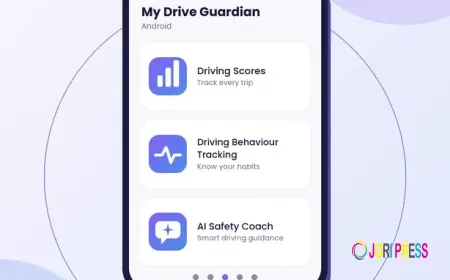
Technology has made it easier for businesses to promote responsible driving behavior. Modern safe driving apps can provide useful tools for improving driver awareness, managing communication, and supporting fleet safety initiatives.
Depending on the application, businesses may access features such as GPS tracking, driving activity monitoring, location sharing, trip information, and safety notifications.
These features can help fleet managers and authorized personnel maintain better visibility into vehicle activities.
Some potential benefits of safe driving apps include:
-
Improved awareness of vehicle locations.
-
Better communication between drivers and managers.
-
Support for monitoring driving-related activities.
-
Reduced unnecessary phone interactions through driving mode features.
-
More organized fleet coordination.
-
Easier access to relevant safety notifications.
However, businesses should choose applications based on their actual requirements, privacy policies, and compatibility with their vehicles.
Safe driving apps should complement driver training and company policies rather than replace responsible driving decisions.
4. Prevent Distracted Driving in Company Vehicles
Distracted driving is one of the major challenges businesses must address when managing company vehicles. Employees may become distracted by phone calls, text messages, navigation systems, entertainment applications, or other activities while driving.
Even a brief distraction can affect concentration and reaction time.
Businesses should establish strict rules against handheld mobile phone usage while driving. Employees should be encouraged to activate driving mode, set navigation destinations before starting their journeys, and avoid checking notifications behind the wheel.
Here are some practical ways to reduce distracted driving:
-
Introduce a clear mobile phone policy.
-
Encourage employees to use Do Not Disturb or driving mode.
-
Prohibit texting while operating company vehicles.
-
Train employees about the risks of visual, manual, and cognitive distractions.
-
Encourage passengers to manage navigation when possible.
-
Use suitable technology to support distraction prevention.
Companies should also ensure that employees understand applicable hands-free driving laws because legal requirements vary by location.
Preventing phone distraction is an important part of creating a safer company vehicle environment.
5. Implement Intelligent Alcohol Detection Technology
Driving under the influence of alcohol can create serious risks for employees, passengers, pedestrians, and other road users. Businesses operating company vehicles should establish strict impaired-driving policies and consider preventive technologies where appropriate.
Traditional approaches often depend on employee awareness and compliance with company rules. However, intelligent in-car alcohol detection technology offers an additional preventive layer.
These systems are designed to detect potential alcohol-related risks before a vehicle starts. When integrated with ignition protection, they can help prevent vehicle operation when configured alcohol detection conditions are met.
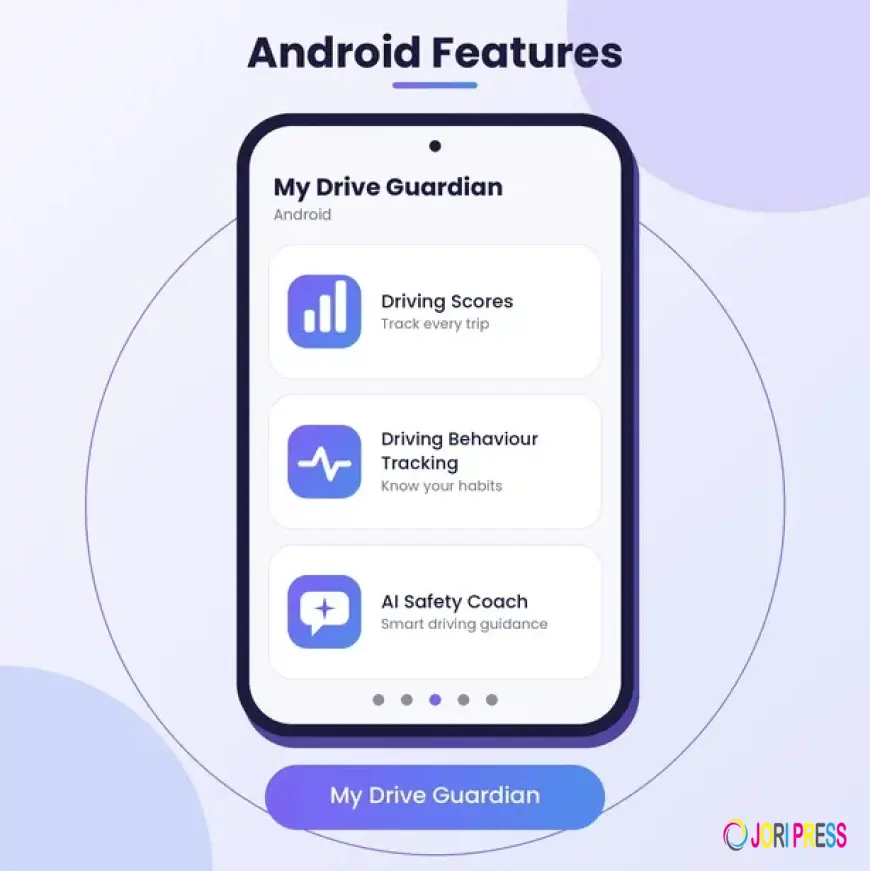
My Drive Guardian focuses on this approach by combining intelligent in-car alcohol detection and ignition protection to support safer driving decisions.
Businesses can consider this type of technology as part of a broader company vehicle safety strategy, particularly when employees regularly operate vehicles for work-related activities.
Technology should be implemented alongside clear workplace policies, employee education, and applicable legal requirements.
6. Schedule Regular Vehicle Maintenance and Inspections
Vehicle maintenance is essential for preventing mechanical problems and ensuring that company vehicles remain safe to operate.
Poorly maintained vehicles can develop issues involving brakes, tires, steering systems, lights, and other important components. These problems may increase the likelihood of breakdowns and dangerous driving situations.
Businesses should establish regular maintenance schedules for every company vehicle.
Important inspection areas include:
-
Tires: Check tire pressure, tread depth, and visible damage.
-
Brakes: Inspect braking performance and identify unusual sounds or vibrations.
-
Lights: Ensure headlights, indicators, brake lights, and hazard lights work properly.
-
Engine: Monitor engine performance and warning indicators.
-
Mirrors: Check that mirrors provide clear visibility.
-
Seat Belts: Ensure all seat belts are functional and properly maintained.
-
Fluids: Check engine oil, coolant, brake fluid, and other essential fluids.
Employees should also be encouraged to report unusual vehicle behavior immediately.
Maintaining company vehicles properly can help reduce unexpected mechanical issues and support safer business transportation.
7. Use GPS Tracking for Better Fleet Visibility
GPS tracking technology can help businesses understand where company vehicles are located and how they are being used.
For organizations managing multiple vehicles, maintaining visibility can improve coordination between drivers, dispatchers, and fleet managers.
GPS tracking solutions may provide features such as real-time vehicle locations, route information, trip history, and geofencing alerts.
Businesses can use these capabilities to:
-
Monitor vehicle locations.
-
Coordinate deliveries and service appointments.
-
Improve route planning.
-
Identify unnecessary vehicle movement.
-
Support vehicle recovery efforts where applicable.
-
Improve communication with employees.
GPS tracking can also support family and employee safety when used appropriately and transparently.
Organizations should establish clear policies explaining what information is collected, who can access it, and how tracking data will be used.
When implemented responsibly, GPS technology can become a valuable part of a modern company vehicle safety program.
8. Monitor Driver Fatigue and Encourage Rest Breaks
Driver fatigue can affect concentration, reaction time, and decision-making abilities. Employees who drive for extended periods, work irregular schedules, or travel long distances may be particularly vulnerable to fatigue-related risks.
Businesses should develop policies that encourage drivers to take appropriate rest breaks and avoid operating vehicles when excessively tired.
Some effective practices include:
-
Establishing reasonable driving schedules.
-
Encouraging regular rest breaks.
-
Avoiding unrealistic delivery deadlines.
-
Providing fatigue awareness training.
-
Encouraging employees to report when they are too tired to drive.
-
Considering suitable driver monitoring technology where appropriate.
Fleet managers should also avoid creating workplace expectations that encourage employees to rush or continue driving when they need rest.
A supportive work environment can help employees prioritize safety over speed and productivity.
9. Introduce Driver Monitoring and Safety Notifications
Driver monitoring technology can provide businesses with additional information about vehicle activities and potential driving risks.
Depending on the system, monitoring solutions may identify certain driving behaviors, provide safety alerts, or help fleet managers understand patterns that require attention.
For example, some advanced systems offer features related to speeding, harsh braking, fatigue, or distracted driving.
Safety notifications can also help communicate important information to authorized individuals when specific events occur.
My Drive Guardian emphasizes the value of real-time family notifications alongside intelligent in-car alcohol detection and ignition protection. These capabilities highlight how connected safety technology can support communication and preventive driving protection.
Businesses evaluating monitoring solutions should consider:
-
The accuracy and reliability of alerts.
-
Employee privacy and consent.
-
Data access and storage policies.
-
Vehicle and application compatibility.
-
Ease of use.
-
The relevance of monitoring features to business requirements.
Driver monitoring should focus on improving safety and supporting employees rather than creating unnecessary workplace pressure.
10. Build a Continuous Fleet Safety Improvement Program
Company vehicle safety should not be treated as a one-time project. Businesses need an ongoing strategy that regularly evaluates driving practices, identifies risks, and introduces improvements.
A continuous fleet safety program allows organizations to understand whether their policies and technologies are working effectively.
Fleet managers can review relevant information such as accident reports, maintenance records, driver training participation, and safety-related incidents.
Practical steps include:
-
Review company vehicle safety policies regularly.
-
Evaluate recurring accident and incident patterns.
-
Provide additional training when necessary.
-
Update vehicle maintenance schedules.
-
Review the effectiveness of installed safety technologies.
-
Encourage employees to share safety concerns.
-
Recognize and promote responsible driving behavior.
-
Update procedures when regulations or business requirements change.
Businesses should also consider feedback from drivers because employees who operate vehicles daily may identify practical safety challenges that management overlooks.
A consistent improvement process helps organizations adapt to changing transportation requirements and maintain stronger fleet safety standards.
Benefits of Improving Company Vehicle Safety
Implementing these practices can provide several advantages for businesses.
Better Employee Protection: Effective safety policies and preventive technologies help organizations prioritize the well-being of employees.
Reduced Driving Risks: Driver training, monitoring, and responsible vehicle management can help identify and address potential hazards.
Improved Fleet Management: GPS tracking and vehicle monitoring can support better operational visibility and coordination.
Lower Vehicle Maintenance Disruptions: Regular inspections and preventive maintenance can help identify problems before they become more serious.
Stronger Workplace Safety Culture: Consistent policies and employee education encourage responsible driving across the organization.
Better Business Reputation: Companies that prioritize road safety demonstrate a commitment to employees, customers, and the wider community.
The results depend on how consistently businesses implement these practices and how well their selected technologies address actual safety requirements.
Strengthen Your Company Vehicle Safety With My Drive Guardian
Creating safer company vehicle operations requires a combination of employee education, clear driving policies, regular vehicle maintenance, and intelligent safety technology.
From using safe driving apps and GPS tracking systems to implementing driver monitoring and in-car alcohol detection, businesses have several opportunities to improve their approach to road safety.
My Drive Guardian supports a proactive approach to driving protection through intelligent in-car alcohol detection, ignition protection, and real-time family notifications.
Businesses and families looking to explore smarter vehicle safety solutions can discover how technology can help address important driving risks.
Visit My Drive Guardian today to learn more about My Drive Guardian and explore intelligent driving protection solutions. Take the next step toward safer company vehicles, more responsible driving habits, and better protection on the road.
What's Your Reaction?
 Like
0
 Dislike
0
 Love
0
 Funny
0
 Angry
0
 Sad
0
 Wow
0