



































Transforming Public Education Through Collaborative System Change
The public education system is a complex ecosystem involving governments, administrators, teachers, communities, and civil society organizations.

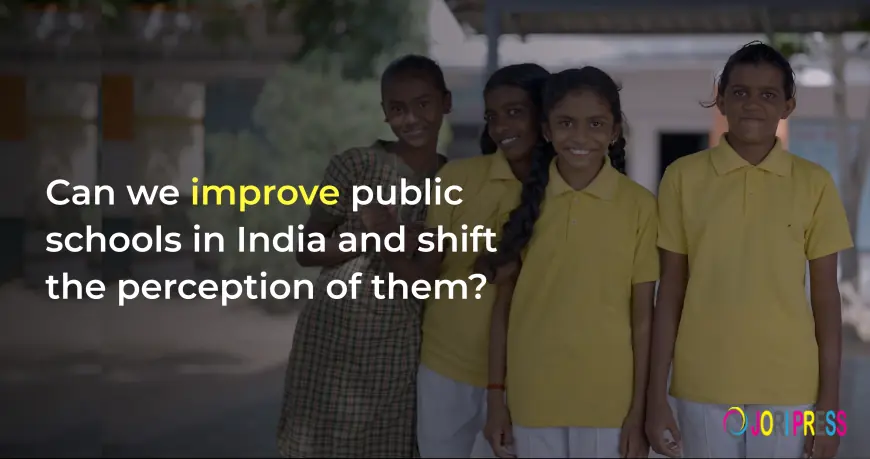
Public education forms the backbone of any nation’s social and economic progress. In India, the public education system serves millions of children across diverse geographies, cultures, and socio-economic contexts. While the scale of this system is immense, so are the challenges—ranging from access and equity to quality and relevance of learning. Addressing these challenges requires more than isolated interventions; it calls for a systemic approach rooted in collaboration, trust, and long-term commitment. This is where working with the public education system becomes both essential and transformative.
Understanding the Complexity of the Public Education System
The public education system is a complex ecosystem involving governments, administrators, teachers, communities, and civil society organizations. Each stakeholder plays a critical role in shaping student outcomes. However, fragmented efforts and short-term solutions often fail to create sustainable impact. Transforming public education requires recognizing this complexity and engaging with the system rather than working around it.
Systemic change is not about replacing existing structures but strengthening them from within. It involves aligning efforts with government priorities, supporting educators, and empowering local leadership. When organizations collaborate with the public system, they can help unlock its full potential at scale.
The Importance of Working With the Public Education System
Working with the public education system ensures that reforms reach the most marginalized learners. Government schools educate the majority of children in India, particularly those from underserved communities. Any meaningful attempt at transforming public education must therefore prioritize partnership with public institutions.
Collaboration with the system enables solutions to be embedded into policies, practices, and institutional frameworks. This approach allows innovations to be scaled across districts and states, ensuring continuity even as leadership changes. It also builds ownership among government stakeholders, increasing the likelihood of long-term success.
Rather than operating in silos, organizations that work alongside governments contribute to capacity building, data-driven decision-making, and shared accountability. This collaborative model shifts the focus from short-term outputs to sustainable outcomes.
Enabling Leadership and Capacity at All Levels
One of the most powerful levers for transforming public education is leadership development. Strong leaders at the state, district, and school levels can drive reform by setting a clear vision and mobilizing teams toward shared goals. Supporting leadership within the public education system ensures that change is guided by those who understand local realities.
Capacity building is equally critical. Teachers and administrators need ongoing professional development, access to relevant resources, and supportive ecosystems to implement effective practices. When system actors are empowered, improvements in teaching quality and student learning naturally follow.
By investing in people, not just programs, systemic transformation becomes possible.
Community Engagement as a Catalyst for Change
Public education does not exist in isolation from the communities it serves. Parents, local leaders, and community organizations play a vital role in shaping learning environments. Engaging communities builds trust, accountability, and shared responsibility for student success.
Working with the public education system also means creating feedback loops where community voices inform policy and practice. When families are active partners, schools become more responsive and inclusive. This participatory approach strengthens the social fabric around education and ensures reforms are grounded in real needs.
Data, Evidence, and Adaptive Learning
Transforming public education requires evidence-based decision-making. Data helps identify gaps, track progress, and refine strategies. However, data alone is not enough—it must be used thoughtfully to drive learning and improvement within the system.
Collaborative efforts that prioritize monitoring, evaluation, and adaptive learning enable governments to respond effectively to emerging challenges. This culture of continuous improvement helps ensure that reforms remain relevant and impactful over time.
Moving From Projects to Movements
Sustainable change in public education cannot be achieved through isolated projects. It requires a movement mindset—one that aligns diverse stakeholders around a shared mission. Civil society, government, philanthropy, and communities must work together to create enabling conditions for change.
When efforts are aligned toward common goals, the impact multiplies. Transforming public education becomes a collective endeavor rather than the responsibility of a single entity.
Conclusion:
Shikshagraha’s Commitment to Systemic Transformation
At Shikshagraha, the belief is clear: lasting impact in education comes from working with the public education system, not outside it. By fostering collaboration, strengthening leadership, and enabling ecosystem-wide partnerships, Shikshagraha is contributing to the long-term transformation of India’s public education landscape.
Transforming public education is a journey that demands patience, trust, and collective action. Through a systems-change approach, Shikshagraha continues to work alongside governments and communities to ensure that every child has access to quality education—today and for generations to come.
What's Your Reaction?
 Like
0
Like
0
 Dislike
0
Dislike
0
 Love
0
Love
0
 Funny
0
Funny
0
 Angry
0
Angry
0
 Sad
0
Sad
0
 Wow
0
Wow
0