









































Wisleypneumatic Pneumatic Butterfly Valve for Modern Equipment

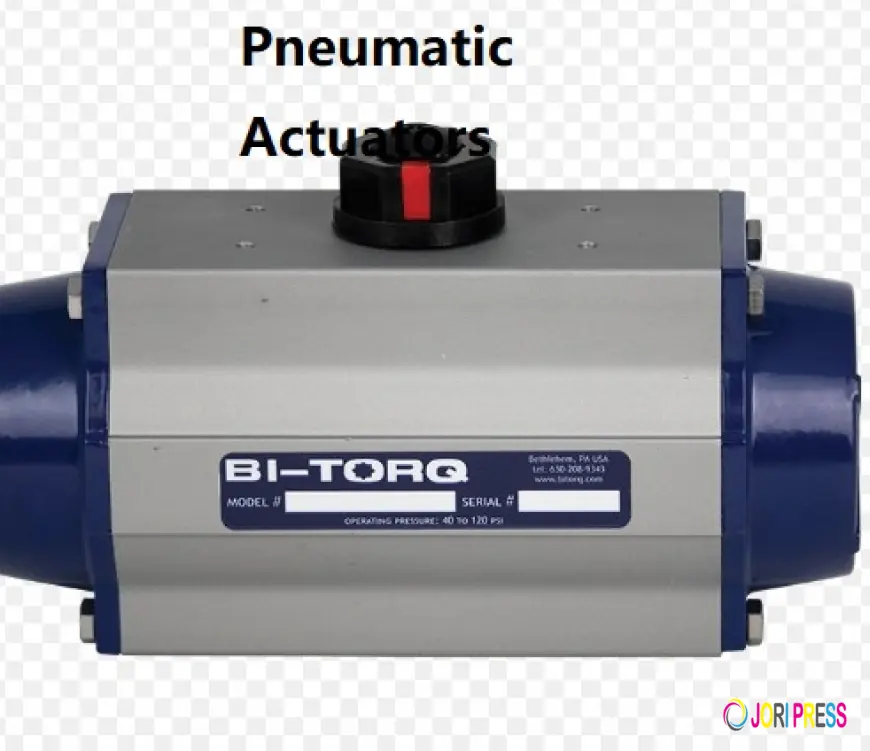
In modern industrial equipment, efficient airflow management depends on components that fit the working environment and overall system design. A Pneumatic Butterfly Valve can provide a practical way to control or isolate airflow while keeping equipment layouts relatively compact. When properly selected, a Pneumatic Butterfly Valve can work with pneumatic actuators and related control components to support automated operation, maintenance, and system organization. For equipment designers, understanding valve structure, connection requirements, pressure conditions, and installation space can make the selection process much easier.
A Compact Approach to Airflow Control
Butterfly-style valves use a rotating disc to open, close, or adjust the passage inside a pipeline. This straightforward structure makes them suitable for equipment where space and accessibility are important considerations.
The compact construction can be useful in machinery containing multiple pneumatic components. Filters, regulators, tubing, actuators, and control devices often need to be arranged within a limited area, so a practical valve layout can make installation more manageable.
Before selecting a valve, users should understand what role it will play in the system. Some applications may primarily require isolation, while others may involve repeated automated operation.
Working pressure and temperature should also be considered. The selected valve needs to correspond with the actual conditions of the pneumatic installation rather than being chosen only according to its external dimensions.
A suitable configuration can help create a cleaner system layout and make future inspection more convenient.
Matching the Valve to Equipment Requirements
Every pneumatic installation has its own requirements, so valve selection should start with the equipment rather than the component alone.
Connection size is one of the first details to confirm. The valve should work with the existing pipeline, fittings, and tubing arrangement. Incorrect dimensions may require extra adapters and make installation unnecessarily complicated.
Available installation space is another important factor. Designers should check the surrounding area to make sure the valve and actuator can be installed without interfering with nearby components.
The air supply should also be reviewed. Pneumatic actuators depend on suitable pressure and clean compressed air to operate correctly.
Operating frequency matters as well. A valve used occasionally for maintenance isolation may experience very different conditions from one used repeatedly in an automated production process.
For replacement projects, comparing the existing component with the proposed valve can help reduce installation difficulties. Dimensions, connection style, actuator arrangement, and operating conditions should all be checked before replacement work begins.
Wisleypneumatic for Practical Pneumatic Integration
A valve becomes part of a larger pneumatic system once it is installed. Its performance can therefore be influenced by filters, regulators, tubing, fittings, actuators, and control equipment.
Air preparation is especially important. Moisture, particles, and other contaminants in compressed air can affect pneumatic components over time. Proper filtration can help maintain a cleaner operating environment.
Pressure regulation should also be considered. A stable air supply can contribute to more consistent actuator movement, while unsuitable pressure may affect the response of the system.
Tubing layout is another practical consideration. Lines should be arranged carefully to avoid unnecessary bends and mechanical stress. A well-planned layout can also make maintenance easier.
For automated machinery, the valve may need to interact with sensors, controllers, and other control components. Understanding the complete operating sequence can help designers determine how the valve should be integrated.
Providing detailed application information during the selection stage can make communication between equipment manufacturers and suppliers more efficient.
Installation for Reliable Daily Operation
Proper installation provides a good foundation for pneumatic equipment. Before connecting the valve, pipelines should be inspected for dirt, damage, and unsuitable connection points.
The installation position should provide reasonable access for operators and maintenance personnel. Components placed in difficult-to-reach areas can increase service time and make routine inspections less convenient.
Connections should be secured correctly, and the system should be checked for potential leakage after installation. Even small leaks can influence the efficiency of compressed-air equipment over time.
The actuator and control sequence should also be tested during commissioning. Confirming that the valve responds as expected can help identify connection problems before regular operation begins.
Operators should understand the intended function of the installed component. Clear operating procedures can reduce unnecessary handling and help maintain consistent equipment performance.
When a pneumatic system is designed with maintenance in mind from the beginning, future servicing can become simpler and more organized.
Maintenance and Long-Term Considerations
Routine inspection helps identify potential problems before they affect normal operation. Valve connections, actuators, seals, tubing, and fittings can be checked according to the working environment and operating frequency.
Air leakage is one condition worth monitoring. Unusual sounds or changes in actuator response may also indicate that further inspection is needed.
Filters and regulators should be maintained as part of the complete pneumatic system. Clean air and appropriate pressure can create better operating conditions for valves and actuators.
For frequently operated machinery, maintenance schedules can be based on actual working conditions. Keeping basic service records allows technicians to track inspections, replacements, and recurring issues.
The surrounding environment should also be considered. Dust, moisture, vibration, and temperature changes may influence the service conditions of pneumatic equipment.
What's Your Reaction?
 Like
0
Like
0
 Dislike
0
Dislike
0
 Love
0
Love
0
 Funny
0
Funny
0
 Angry
0
Angry
0
 Sad
0
Sad
0
 Wow
0
Wow
0