



































Why the Next Generation Understands Asset Tokenization in Ways Previous Ones Didn’t
This blog explores how asset tokenization is changing the way modern investors approach wealth. Learn how technology, accessibility, and fractional ownership are making investing smarter, simpler, and more inclusive for the next generation.

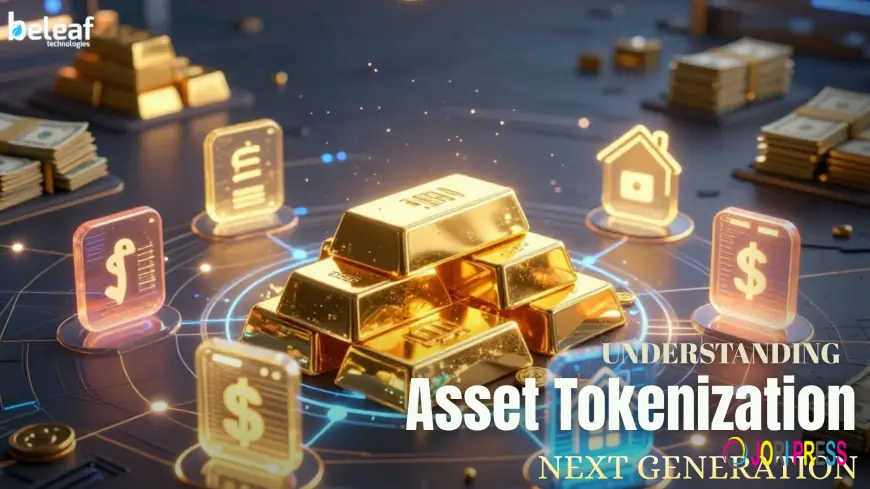
Table of Contents
A New Financial Language for a New Generation
Why Modern Investors Adapt Easily to Tokenized Assets
How Asset Tokenization Changes the Investment Process
Why Asset Tokenization Fits Future Financial Behavior
Why the Next Generation Benefits the Most
Final Thoughts
Asset Tokenization is becoming one of the most important developments in modern finance, and younger generations understand it more naturally because they grew up in a world shaped by digital systems, fast transactions, transparent platforms, and global access. Unlike the traditional investment style that required high capital, long processes, and limited accessibility, today’s investors expect efficiency, flexibility, and fairness and tokenized assets match that mindset perfectly.
A New Financial Language for a New Generation
Today’s young investors live in a digital environment where every financial action payments, savings, purchases, subscriptions happens through screens. So when they learn that real-world assets like gold, real estate, art, and commodities can be represented digitally, it doesn’t feel strange. It feels expected. In previous generations, ownership meant physical possession: holding property papers, gold coins, or certificates. For the next generation, ownership means verifiable access, not physical storage. Tokenized assets fit that shift because they create a bridge between traditional value and digital convenience. Instead of eliminating real-world assets, they simply reorganize the way people interact with them.
Why Modern Investors Adapt Easily to Tokenized Assets
Today’s investors want options that match their lifestyle fast, flexible, mobile, and transparent. Asset tokenization offers exactly that. It removes barriers like geographic limitations, complicated paperwork, and high entry costs. It also gives investors the ability to own fractional parts of assets they previously couldn’t afford. Previous generations relied on banks, brokers, and physical storage. Younger investors rely on digital platforms, data, and real-time verification. Tokenized assets fit their expectations perfectly because they offer:
-
Smaller investment amounts
-
Instant buying and selling
-
Transparent ownership records
-
Access to multiple global markets
-
Security backed by audited real-world assets
The new generation isn’t rejecting traditional assets; they're simply choosing smarter, more accessible versions of the same value.
How Asset Tokenization Changes the Investment Process
The core of asset tokenization is simple: a real-world asset is digitally represented on the blockchain, divided into smaller units, and made available for investors to buy. Each unit is backed by the actual asset, creating a secure and transparent link. This model solves problems that older systems could never simplify. Real estate previously needed huge capital; now it can be purchased fractionally. Gold needed storage and security; now it can be owned digitally without losing physical backing. Bonds and commodities required brokers; now investors gain direct access with global liquidity. Instead of long waiting times and heavy documentation, modern tokenized assets offer smoother experiences. The process becomes more inclusive, professional, and globally aligned with how digital finance already operates.
Why Asset Tokenization Fits Future Financial Behavior
The future of investing will be shaped by three main expectations: access, fairness, and flexibility. Tokenization already meets these expectations better than traditional systems. As platforms mature and regulations strengthen, more investors will treat tokenized assets as a normal part of their portfolio just like digital payments or online banking became standard.
In the coming years:
-
Investors will diversify across tokenized real estate, commodities, and private assets.
-
Wealth building will start earlier because minimum entry amounts will stay low.
-
Global participation will grow because borders no longer block access to valuable assets.
-
Everyday investors will feel more confident due to transparent tracking of ownership.
-
Financial markets will move toward inclusivity instead of exclusivity.
This shift is not just technological; it’s cultural. It redefines who can build wealth and how easily they can begin.
Why the Next Generation Benefits the Most
Younger investors are positioned to gain the highest advantages from tokenized assets simply because they are open to new models and comfortable with digital transitions. They don’t see tokenized ownership as unusual; they see it as a smarter version of the assets their parents valued.
They appreciate:
-
Lower risk through fractional ownership
-
Ability to diversify across many assets
-
Full liquidity when needed
-
Transparent and tamper-proof records
-
Direct, global access without relying on institutions
Where older generations saw obstacles, the new generation saw opportunities. Asset tokenization removes many limitations that once prevented people from entering premium asset classes.
Final Thoughts
The world is moving toward a financial structure where asset ownership is no longer restricted to high-net-worth individuals or those with major capital. Tokenization Asset opens the door for small investors, careful savers, global travelers, and young professionals to build wealth steadily and intelligently. This shift doesn’t replace traditional assets, it refreshes them. Real estate, gold, art, energy, and commodities remain valuable. What changes is how people access, trade, and manage them. The next generation understands this naturally, and because of that, they will shape the future of investment one digital asset at a time.
What's Your Reaction?
 Like
0
Like
0
 Dislike
0
Dislike
0
 Love
0
Love
0
 Funny
0
Funny
0
 Angry
0
Angry
0
 Sad
0
Sad
0
 Wow
0
Wow
0