







































Why RWA Tokenization Feels Relevant to Today’s Everyday Investors
RWA tokenization aligns with modern investing habits by blending real assets with digital clarity. It highlights why this approach feels practical, understandable, and relevant for today’s everyday investors.

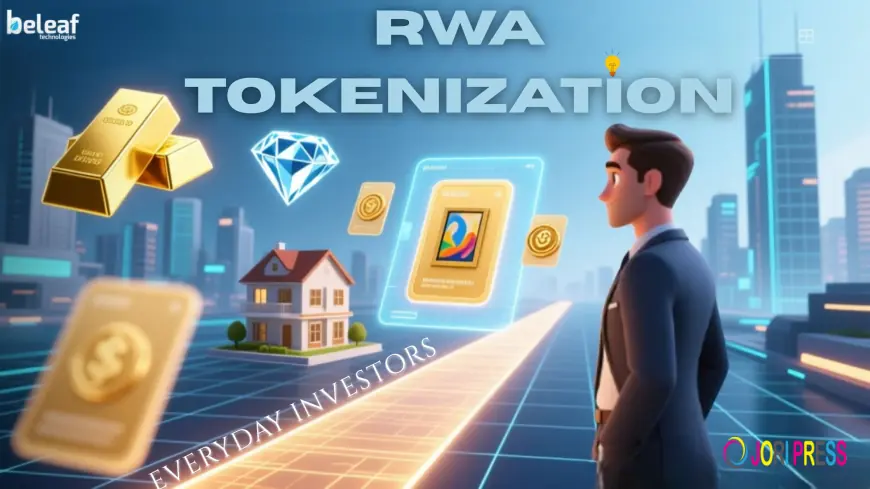
Table of Contents
A Changing Relationship With Money and Ownership
What Real-World Assets Mean in Today’s Context
Understanding RWA Tokenization in Simple Terms
Why Accessibility Matters More Than Ever
Trust, Transparency, and Digital Records
The Role of Technology Without Losing Asset Value
How Everyday Investors Are Adopting This Model
What This Shift Suggests About the Future of Investing
Final Thoughts
RWA Tokenization is becoming part of everyday financial conversations not because it sounds advanced, but because it quietly answers questions many modern investors already have. People today are more curious, cautious, and intentional with money than ever before. They want access, flexibility, and clarity without feeling locked into systems that were designed for a different era.
A Changing Relationship With Money and Ownership
For many people, investing no longer feels like a distant or elite activity. Younger generations especially have grown up managing finances through apps, digital wallets, and online platforms. This has changed expectations. Ownership is no longer just about holding something physically; it’s about having control, visibility, and the ability to act when needed. Traditional investments often feel rigid in comparison. RWA tokenization enters this environment naturally, aligning with how people already interact with money in daily life.
What Real-World Assets Mean in Today’s Context
Real-world assets such as real estate, commodities, invoices, or collectibles have always carried value. However, accessing them usually required large capital, paperwork, and long timelines. Real world asset tokenization reframes these assets for a digital economy. Instead of changing the asset itself, it changes how ownership is represented and managed. This distinction matters. Investors are not chasing novelty; they are responding to practicality.
Understanding RWA Tokenization in Simple Terms
At its core, RWA tokenization involves representing ownership rights of physical or traditional assets as digital tokens on a blockchain. These tokens reflect real value and are linked to verified assets. Asset tokenization on blockchain systems allows records of ownership, transfer, and verification to exist in a transparent and tamper-resistant way. For everyday investors, this means fewer layers of complexity and more direct insight into what they own.
Why Accessibility Matters More Than Ever
One reason RWA tokenization feels relevant is accessibility. Many traditional investments require committing large sums upfront. Tokenization allows fractional participation, which lowers entry barriers. This doesn’t dilute value; it redistributes access. Investors can diversify without overextending themselves. For people balancing savings, expenses, and long-term goals, this flexibility feels practical rather than revolutionary.
Trust, Transparency, and Digital Records
Trust has become a central concern in finance. Investors want to know where their money is, how it’s managed, and whether records can be verified independently. Security tokenization models rely on blockchain records that are visible and traceable. This transparency does not remove risk, but it reduces uncertainty. Digital asset tokenization offers a structure where ownership history and transaction data are clearer than in many traditional systems.
The Role of Technology Without Losing Asset Value
A common misconception is that tokenization replaces or weakens traditional assets. In reality, it preserves their value while improving how they are accessed. The underlying asset remains the same. Technology simply provides a more efficient wrapper around ownership and transfer. This balance is why RWA tokenization resonates with investors who value stability but also want modern functionality.
How Everyday Investors Are Adopting This Model
Adoption is not happening overnight, but it is steady. Investors are not abandoning traditional assets; they are exploring new ways to interact with them. Some allocate small portions of their portfolio to tokenized assets, while others use them for diversification or learning. This gradual adoption reflects thoughtful behavior rather than hype-driven decisions. It shows that people are engaging with RWA tokenization as a tool, not a shortcut.
What This Shift Suggests About the Future of Investing
The growing relevance of RWA tokenization suggests a broader change in financial behavior. Investors want systems that fit into real life—systems that respect both value and time. As regulatory frameworks mature and infrastructure improves, tokenized assets may become as familiar as digital banking is today. Not because they are forced into use, but because they make sense.
Final Thoughts
RWA tokenization feels relevant because it meets investors where they already are. It doesn’t ask them to abandon traditional thinking; it builds on it. By combining real assets with digital clarity, RWA tokenization reflects a financial mindset that values understanding over speculation. For those who want to learn, adapt, and invest with intention, this model offers a clear example of how finance can evolve without losing its foundation.
What's Your Reaction?
 Like
0
Like
0
 Dislike
0
Dislike
0
 Love
0
Love
0
 Funny
0
Funny
0
 Angry
0
Angry
0
 Sad
0
Sad
0
 Wow
0
Wow
0