






































Why Physical Models Still Matter in Dubai Master Planning
Dubai’s master planning environment is shaped by scale, ambition, and strict approval frameworks. Projects often cover entire districts, waterfronts, or multi-phase urban zones that must function efficiently over decades.

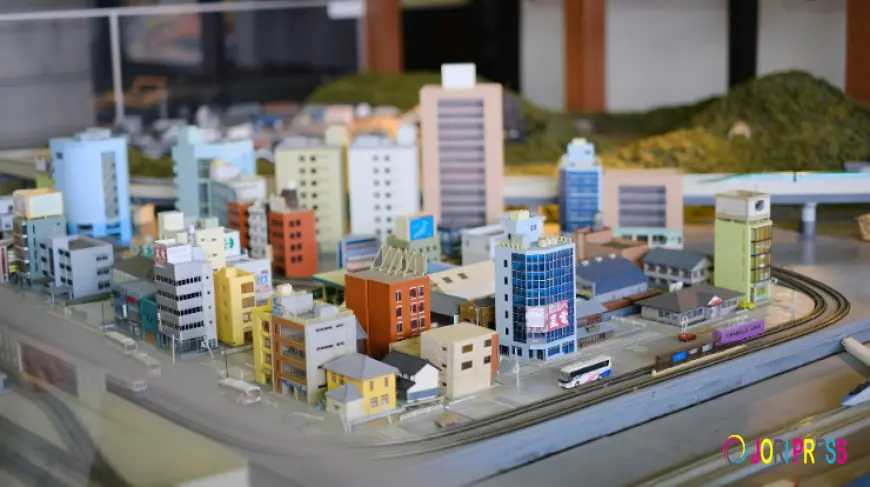
Dubai’s master planning environment is shaped by scale, ambition, and strict approval frameworks. Projects often cover entire districts, waterfronts, or multi-phase urban zones that must function efficiently over decades.
In this context, physical representations remain essential tools during approval stages. While digital tools and simulations support analysis, decision-makers still rely on tangible formats to fully understand spatial relationships. This is where model making plays a critical role, offering clarity that screens alone cannot always provide.
Clear Spatial Understanding for Decision-Makers
Master planning approvals in Dubai involve multiple authorities, consultants, and stakeholders with varied technical backgrounds. Physical models present spatial information in a direct and accessible way. Heights, massing, setbacks, and transitions between zones can be understood at a glance.
This clarity reduces misinterpretation during review meetings and helps authorities assess whether a proposal aligns with planning guidelines. When decisions must be made efficiently, a physical model becomes a shared reference point for everyone in the room.
Evaluating Scale and Proportion at District Level
Dubai’s developments are rarely isolated buildings. They are connected systems of residential, commercial, cultural, and infrastructure elements. Physical models allow reviewers to judge proportion across large areas.
They make it easier to see whether towers overpower public spaces, whether road widths feel balanced, or whether green corridors are adequate. This evaluation is difficult to replicate on flat screens, especially when discussing projects that span several kilometers.
Supporting Regulatory and Planning Authority Reviews
Planning authorities in Dubai often assess proposals against zoning rules, height limits, view corridors, and land-use allocations. Physical models help visualize compliance without relying solely on drawings. Reviewers can instantly see how a project responds to surrounding developments and protected areas. In many approval sessions, the ability to physically point to a location on a model simplifies complex regulatory discussions and speeds up consensus.
Communicating Phasing and Long-Term Vision
Master plans in Dubai are typically developed in phases over many years. Physical models make it easier to communicate how early phases will evolve into later stages. Removable or layered components can show future growth without confusing current approvals. This long-term visibility reassures authorities that infrastructure, access, and services are planned with expansion in mind. It also reduces concerns about temporary disruptions during early construction phases.
Enhancing Trust and Credibility in Approval Meetings
Approval bodies often need confidence that a project team fully understands the site and its urban impact. A well-crafted physical model demonstrates commitment, preparation, and transparency. It signals that the developer has invested time in studying context and relationships. In high-stakes environments like Dubai, this credibility matters. Model making becomes more than presentation; it acts as a trust-building tool during critical approval stages.
Clarifying Infrastructure and Mobility Networks
Roads, metro alignments, pedestrian routes, and service access are central to master planning approvals. Physical models make circulation systems easier to evaluate. Reviewers can trace movement patterns visually and assess connectivity between zones. This is particularly valuable in Dubai, where traffic flow, access hierarchy, and future transport integration are closely scrutinized by authorities.
Visualizing Environmental and Public Realm Strategies
Dubai places increasing emphasis on sustainability, shading, walkability, and public space quality. Physical models help demonstrate how parks, water features, and buffers are distributed across a master plan. They also show how buildings interact with open spaces and climatic considerations. These elements are often easier to judge physically than through layered digital diagrams, especially during group discussions.
Bridging Communication Gaps Between Disciplines
Master planning approvals involve urban planners, architects, engineers, landscape designers, and government officials. Each discipline views the project differently. A physical model acts as a neutral communication bridge. It aligns conversations and reduces technical misunderstandings. By grounding discussions in a shared visual reference, model making Dubai helps multidisciplinary teams reach agreement faster.
Complementing Digital Tools Rather Than Replacing Them
Digital simulations, BIM models, and virtual walkthroughs are widely used in Dubai. However, physical models complement these tools rather than replace them. They offer a constant overview without navigation or technical setup. During approval sessions, this immediacy is valuable. Authorities can focus on strategic planning issues instead of operating software or interpreting layered screens.
Meeting Cultural and Institutional Expectations
Dubai’s planning culture has long valued physical representations for major developments. Approval panels are accustomed to reviewing models, especially for large-scale master plans. In many cases, they expect them as part of formal submissions. This expectation reinforces the importance of tangible presentations. Model making aligns with institutional workflows that prioritize clear, physical visualization during decision-making.
Reducing Risk and Costly Revisions
Misunderstandings during approval stages can lead to redesigns, delays, and additional costs. Physical models help identify issues early. Problems related to massing, access, or spatial conflicts can be spotted before construction begins. This proactive clarity protects both developers and authorities from costly revisions later in the project lifecycle.
Conclusion
Physical models remain critical in Dubai master planning approvals because they provide clarity, confidence, and shared understanding. They help authorities evaluate scale, compliance, phasing, and public impact with greater certainty. While digital tools continue to advance, tangible representations still offer unmatched immediacy and trust. In a city defined by complexity and ambition, model making continues to be a cornerstone of effective master planning review and approval processes.
What's Your Reaction?
 Like
0
Like
0
 Dislike
0
Dislike
0
 Love
0
Love
0
 Funny
0
Funny
0
 Angry
0
Angry
0
 Sad
0
Sad
0
 Wow
0
Wow
0