








































Why Do Women Seek the Best Doctor for Fibroid Treatment in Chennai?
Heavy periods, pelvic pressure, or low haemoglobin? Understand fibroid symptoms, treatment options, and what to look for in a specialist in Chennai.

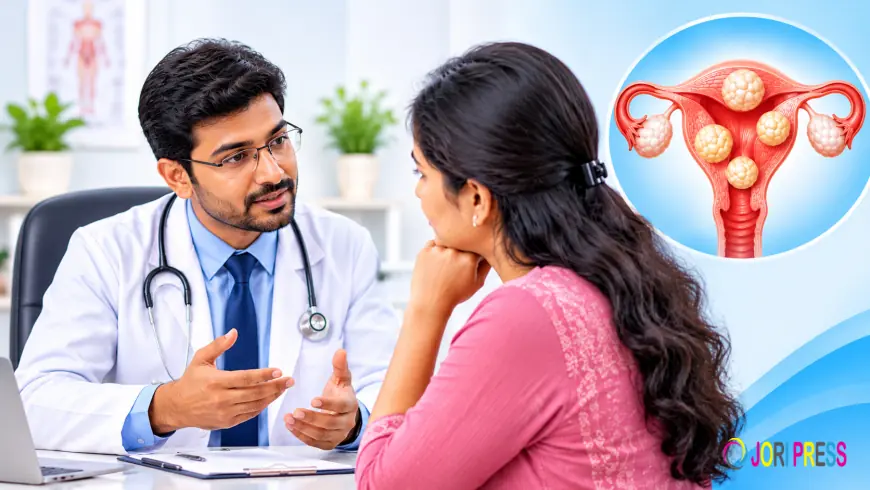
A woman with fibroids rarely walks into a clinic on the first day of symptoms. She usually spends months adapting first. She carries extra pads, avoids light-coloured clothes, and plans travel around her cycle. Often it is a haemoglobin report showing 8 g/dL that finally sends her to a gynaecologist.
That is the point at which she starts searching for the Best Doctor for Fibroid Treatment in Chennai. What she really wants to know is who she can trust with a decision about her uterus.
What Fibroids Are
Uterine fibroids are growths of muscle and fibrous tissue that develop in or on the uterus. They are almost always benign. Studies suggest that up to 70–80% of women have at least one by the age of 50, and most never need treatment.
The trouble starts when a fibroid sits in the wrong place. Location usually matters more than size:
-
Submucosal fibroids press into the uterine cavity. They are the ones most linked to heavy bleeding and to problems with conception.
-
Intramural fibroids grow within the muscular wall and can enlarge the uterus.
-
Subserosal fibroids grow outward and tend to press on the bladder or bowel.
Why the Search Begins
Most women seek help for a handful of reasons. Periods last more than a week, or soak through a pad every hour or two. Clots are larger than a coin. The lower abdomen feels heavy or looks swollen. Urination becomes frequent, or constipation sets in. Some women come because they have not conceived after a year of trying, or have had repeated miscarriages.
Many women tell me, in effect, that heavy periods run in the family and are therefore normal. Heavy bleeding that causes tiredness, breathlessness, or dizziness is a medical problem, whatever the family history. Iron deficiency builds slowly and is easy to miss.
What Women Actually Look For in a Specialist
“Best” rarely means famous. In consultations, it tends to mean three things.
Investigation Before Treatment
A sound evaluation includes a detailed menstrual history, an abdominal and pelvic examination, and an ultrasound. An MRI helps when there are several fibroids or when the position is unclear. A haemoglobin test is essential. If surgery is suggested before any of this is done, ask why.
No Rush Toward Surgery
Small fibroids that cause no symptoms are usually watched with periodic scans. A doctor who recommends waiting is following guidelines, not neglecting you.
Questions About Your Future
A 28-year-old who wants a child needs a different plan from a 48-year-old nearing menopause. The treatment should follow your goals. You can also check any doctor’s registration on the Tamil Nadu Medical Council website.
Treatment Options
Medicines
Tranexamic acid reduces blood loss during periods. The levonorgestrel intrauterine system and some hormonal drugs can also control bleeding. GnRH-based medicines can shrink fibroids for a limited period, often before surgery. These treatments manage symptoms, and the fibroid often returns to its earlier size once they stop.
Procedures That Preserve the Uterus
Myomectomy removes the fibroids and leaves the uterus in place, so it is usually discussed with women who want to keep their fertility options open. Depending on the fibroid, it may be done through the hysteroscope, laparoscopically, or by open surgery. Uterine artery embolisation, which cuts off the fibroid’s blood supply, suits selected patients. Fibroids can grow back after any of these.
Hysterectomy
Removing the uterus ends fibroid problems and the bleeding that comes with them. It is major surgery, and it is generally considered after childbearing is complete or when other options have failed or are unsuitable.
No treatment comes with a guaranteed result, and a doctor who offers one deserves caution.
When the Fibroid May Not Be the Whole Story
Tiredness, weight change, and irregular or heavy periods can come from thyroid disease as well. If you have a visible swelling in the neck, trouble swallowing, or abnormal thyroid blood tests, a Thyroid Nodule Specialist Chennai patients can approach for a neck lump will assess it separately, usually with an examination, thyroid function tests, and an ultrasound.
A thoughtful gynaecologist will tell you when a symptom may have another source and refer you accordingly.
Preparing for the First Visit
Bring every earlier scan and blood report. Note the dates of your last three periods and roughly how many pads you use on the heaviest day. Then ask:
-
What kind of fibroid is it, and where is it?
-
Does it need treatment now?
-
Which options do not involve surgery?
-
How would each option affect pregnancy?
-
What are the risks, the recovery time, and the chance of recurrence?
If you would like your reports reviewed in detail, you can consult Dr. Arjunlokesh Netaji and go through the options in person.
Frequently Asked Questions
1. Do all fibroids need treatment?
No. Fibroids without symptoms are commonly monitored. Treatment is considered for heavy bleeding, pain, pressure symptoms, or fertility problems.
2. Can a fibroid turn into cancer?
This is very rare. Uterine sarcoma is a separate, uncommon cancer and is not believed to arise from ordinary fibroids. Rapid growth, or any bleeding after menopause, should be checked promptly.
3. Will fibroids stop me from getting pregnant?
Often they do not. Fibroids that distort the uterine cavity are the most likely to interfere with conception or pregnancy, and your scan will show whether that applies to you.
4. Can diet or exercise shrink fibroids?
No lifestyle change has been proven to do so. Iron-rich food, a healthy weight, and regular activity support general health and help with anaemia, but they do not replace evaluation.
5. Can thyroid problems cause heavy periods?
Yes. Underactive thyroid is a recognised cause of heavy or irregular bleeding. If it is suspected, a Thyroid Nodule Specialist Chennai clinic or an endocrinologist can investigate it alongside your gynaecological work-up.
6. When is heavy bleeding an emergency?
Seek urgent care if you soak a pad every hour for several hours, feel faint, notice a racing heartbeat, or have severe pelvic pain.
Conclusion
Women look for the Best Doctor for Fibroid Treatment in Chennai because they want a clear diagnosis, honest options, and a plan that fits their age and family goals. The right specialist examines you before advising, explains the alternatives, and leaves you time to decide.
If heavy periods or pelvic pressure have become part of your routine, do not wait for the haemoglobin to fall further. Book a consultation with Dr. Arjunlokesh Netaji, bring your reports, and ask whatever you need to.
This article is for general information and does not replace personalised medical advice.
What's Your Reaction?
 Like
0
 Dislike
0
 Love
0
 Funny
0
 Angry
0
 Sad
0
 Wow
0