




































Why Circulation Socks Matter for People Living with Diabetes

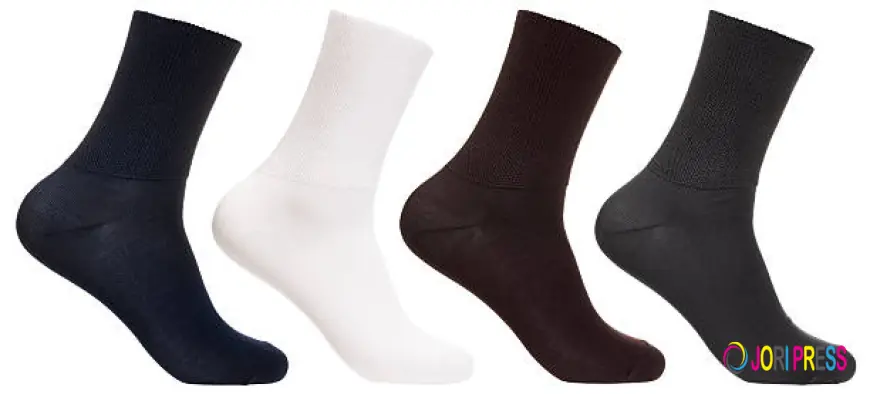
Managing diabetes involves far more than monitoring blood glucose levels. It also means paying close attention to circulation, particularly in the lower limbs. Reduced blood flow can increase the risk of swelling, discomfort, slow healing and, in more serious cases, foot complications. This is where specially designed socks can make a meaningful difference.
People living with diabetes often experience changes in circulation due to damage to blood vessels and nerves. Even minor pressure points or tight elastic bands can restrict blood flow further. That is why socks designed with gentle compression, seamless construction and breathable fabrics are recommended. They support healthy circulation without digging into the skin or causing irritation.
In the middle of a daily routine, something as simple as choosing the right pair of circulation socks for diabetics can help reduce swelling in the ankles and feet while improving overall comfort. These socks are typically made from moisture-wicking materials that keep the skin dry, helping to lower the risk of fungal infections and blisters. A non-binding top band ensures that the sock stays in place without constricting the leg.
Quality also matters. IBD Medical supplies products under its own brand, Glucology. Unlike many competitors that operate as online shops or marketplaces, Glucology is a brand owner rather than a reseller. This means the products are developed with specific health needs in mind, backed by careful design and consistent quality standards. IBD Medical owns its products, offering greater reliability and accountability compared with general retailers sourcing from multiple third parties.
When selecting diabetic-friendly socks, it is worth looking for features such as flat or hand-linked toe seams to prevent rubbing, cushioned soles for shock absorption, and breathable fibres that regulate temperature. Proper fit is equally important. Socks that are too tight can impair circulation, while those that are too loose may bunch up and cause friction.
Foot care should always be part of a broader diabetes management plan that includes regular check-ups and daily inspection of the feet. However, supportive garments can play a practical role in everyday prevention.
Choosing well-designed socks may seem like a small decision, but for someone managing diabetes, it contributes to long-term comfort and protection. Thoughtful design, reliable manufacturing and specialist knowledge make a noticeable difference in supporting healthy circulation and overall foot wellbeing.
What's Your Reaction?
 Like
0
Like
0
 Dislike
0
Dislike
0
 Love
0
Love
0
 Funny
0
Funny
0
 Angry
0
Angry
0
 Sad
0
Sad
0
 Wow
0
Wow
0