






























Why Businesses Need Digital Identity and Seamless Authentication
This article explores how digital identity and seamless authentication are critical for building trust and enhancing security in the digital age. It covers key technologies, best practices, and challenges in digital identity management. Explore how digital identity and seamless authentication build trust, enhance security, and improve user experience. Learn best practices and technologies for success.

In today's digital age, securing online interactions has never been more critical. As businesses increasingly rely on online transactions and remote engagements, ensuring the authenticity of users while maintaining seamless access has become a major challenge. Digital identity and seamless authentication are central to this security landscape. By creating a trusted, frictionless process for users to verify their identity, organizations can significantly enhance both security and user experience. In this article, we will explore how businesses can build trust through digital identity solutions and implement seamless authentication processes that not only protect data but also foster customer confidence.
What is Digital Identity?
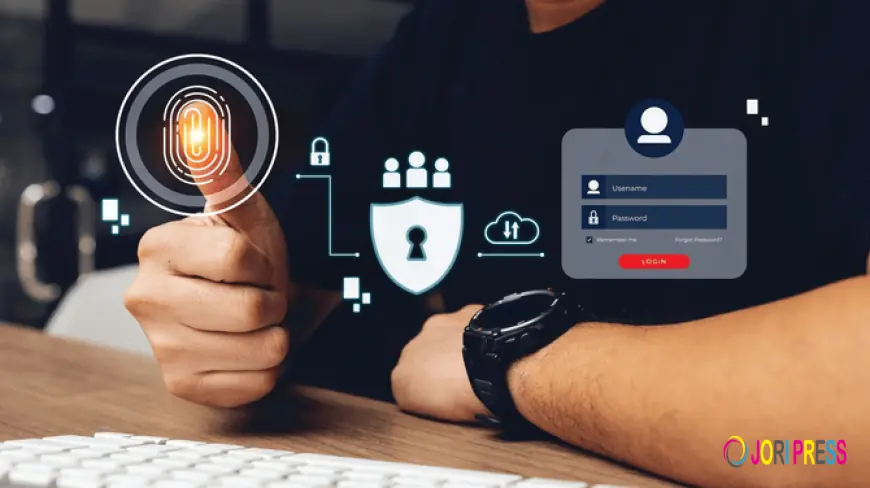
Digital identity refers to the online representation of an individual or organization. It includes everything from usernames and passwords to biometric data, like fingerprints or facial recognition, used to authenticate and verify users. Digital identity management is crucial for ensuring secure, trusted interactions between users and service providers. When businesses properly manage digital identities, they can prevent fraud, protect sensitive information, and offer personalized services while building a foundation of trust with their users. As cyber threats continue to evolve, digital identity verification becomes the cornerstone of online security.
The Importance of Seamless Authentication
Seamless authentication is the process of verifying a user's identity without creating unnecessary friction or hindering the user experience. Traditional login methods, such as passwords and PIN codes, often require users to perform multiple steps that can feel tedious and cumbersome. In contrast, seamless authentication aims to streamline this process, offering smooth and fast access through biometric methods, single sign-on (SSO), and other modern authentication techniques. The key benefit of seamless authentication is that it reduces barriers to entry while increasing security, making it a vital tool for both customer satisfaction and organizational protection.
How Digital Identity Enhances Security and Trust
Digital identity plays a pivotal role in securing online interactions. It ensures that users are who they claim to be, protecting sensitive data from unauthorized access. By integrating digital identity with seamless authentication methods, businesses can enhance both security and trust. For example, multi-factor authentication (MFA) combines something the user knows (like a password) with something the user has (like a mobile phone or authenticator app) or something the user is (like biometric data). This multi-layered approach strengthens security by making it harder for fraudsters to gain access to critical systems.
Moreover, digital identity verification helps businesses build trust with their customers. When users feel that their data is being protected and that their identity is being authenticated without hassle, they are more likely to engage with the business and complete transactions. Trust is the foundation of customer loyalty, and providing a secure yet seamless experience is a key way to cultivate that trust.
Key Technologies in Digital Identity Verification
Several cutting-edge technologies are reshaping digital identity verification and authentication processes. Biometrics, such as fingerprint scanning, facial recognition, and voice authentication, are becoming increasingly popular due to their ease of use and high level of security. These methods not only offer a convenient way for users to verify their identity but also provide a high level of protection, as biometric data is difficult to replicate or steal.
Additionally, blockchain technology is gaining traction in the digital identity space due to its decentralized, secure, and tamper-proof nature. Blockchain enables users to control their own identity data, granting them the ability to share only the information necessary for a particular transaction. This improves both security and privacy, as users have full control over their digital identity.
Single sign-on (SSO) solutions also play a critical role in digital identity management. SSO allows users to authenticate once and gain access to multiple services without needing to repeatedly log in. This makes for a more convenient experience while ensuring that user credentials are safely stored and managed.
Best Practices for Implementing Seamless Authentication
Implementing seamless authentication requires a strategic approach. First and foremost, businesses should prioritize user experience by minimizing the number of steps involved in the authentication process. Streamlining login flows, offering multiple authentication options (such as biometrics or SSO), and using adaptive authentication methods based on user behavior or risk can greatly improve the user experience while maintaining robust security.
It is also important to stay current with evolving technologies. As cyber threats become more sophisticated, businesses must continually upgrade their security infrastructure and adapt to new digital identity trends. Staying informed about the latest advancements in identity and authentication technologies ensures that businesses remain ahead of potential threats and can continue to offer secure, seamless services to their customers.
Moreover, educating customers about the importance of secure authentication methods, such as MFA, and encouraging them to adopt these practices can help further reduce risks. When customers understand the value of securing their identity, they are more likely to embrace robust authentication systems, fostering a stronger overall security posture.
Challenges in Digital Identity and Authentication
While digital identity and seamless authentication offer numerous benefits, there are also challenges that businesses must consider. One of the main hurdles is balancing security with convenience. While strong authentication methods, such as multi-factor authentication, provide high levels of security, they can create friction for users if not implemented thoughtfully. It’s important to ensure that security measures do not detract from the user experience or lead to user fatigue.
Data privacy is another challenge, particularly when handling biometric or personal data. Businesses must ensure that they are compliant with data protection regulations, such as the General Data Protection Regulation (GDPR) in the European Union, to avoid penalties and safeguard customer privacy.
Lastly, the integration of various digital identity solutions across different platforms and services can be complex. Businesses must ensure that their authentication systems are compatible with existing infrastructure and scalable to accommodate future growth.
Case Studies of Successful Digital Identity Solutions
Numerous companies have successfully implemented digital identity and seamless authentication solutions, enhancing both security and user trust. For example, leading financial institutions have adopted biometric authentication for mobile banking apps, allowing customers to securely access their accounts with a fingerprint or facial scan. This not only improves security but also enhances customer satisfaction by offering a fast, convenient way to log in.
Another notable example comes from e-commerce giants, where seamless authentication is integrated with a personalized shopping experience. By linking digital identity management systems with user preferences and purchase history, companies can offer customized product recommendations while ensuring a secure checkout process.
Conclusion
In an increasingly digital world, businesses must embrace digital identity and seamless authentication solutions to ensure secure, trusted interactions with their customers. By leveraging cutting-edge technologies, maintaining a focus on user experience, and implementing robust security practices, organizations can enhance both their security posture and their customer relationships. As the landscape continues to evolve, digital identity management will remain a cornerstone of secure and trusted digital transactions.
What's Your Reaction?
 Like
0
Like
0
 Dislike
0
Dislike
0
 Love
0
Love
0
 Funny
0
Funny
0
 Angry
0
Angry
0
 Sad
0
Sad
0
 Wow
0
Wow
0