



































Which Solar Power Projects Are Worth Starting at Home?
Solarestique DIY solar project guide explores practical options for homeowners who want to start small and expand their solar use over time.

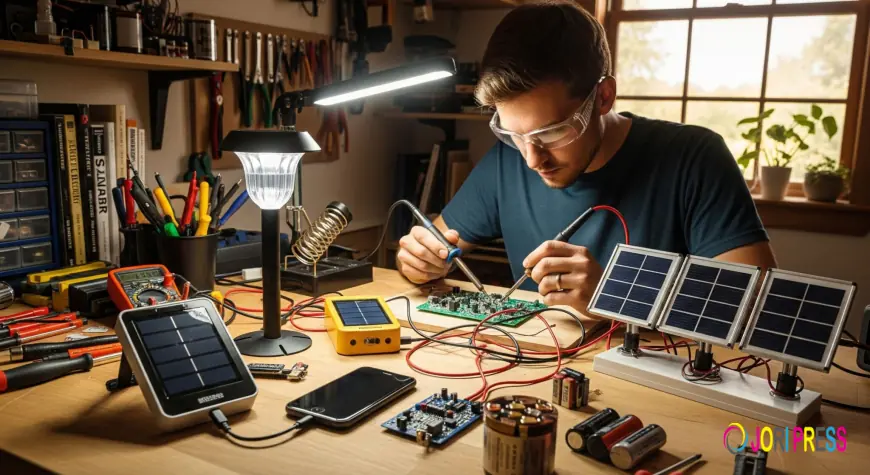
Choosing the right solar project can be the difference between an enjoyable introduction to renewable energy and an expensive setup that does not deliver much value. Homeowners are increasingly interested in solar power projects that can reduce electricity use, improve outdoor spaces, provide backup power, or simply make better use of available sunlight. The good news is that you do not have to begin with a full rooftop installation. Smaller projects such as solar lighting, charging stations, water features, and portable power systems can help you understand solar technology before moving toward larger investments. Solarestique DIY solar project guide explores practical options for homeowners who want to start small and expand their solar use over time.
What Makes a Solar Project Worth Investing In?
A useful solar project should solve a genuine household need rather than simply add another gadget to your property. Before buying equipment, consider how much energy the project requires, how much sunlight the location receives, how often you will use it, and whether the expected savings or convenience justify the cost.
For beginners, low-voltage applications are often easier to understand and manage. Solar garden lighting, outdoor path lights, small water fountains, phone charging systems, and simple monitoring devices can provide practical uses without requiring a complete home energy system.
The goal is to start with a project that matches your technical confidence and gradually move toward more complex applications.
Which DIY Solar Projects Are Suitable for Beginners?
DIY solar projects can range from simple plug-and-use applications to more involved builds requiring batteries, controllers, wiring, and inverters. Starting with a small project allows you to learn how solar panels generate electricity, how energy storage works, and how sunlight affects output.
Some beginner-friendly options include:
-
Solar garden and pathway lighting
-
Small solar phone charging stations
-
Solar-powered water fountains
-
Solar bird baths
-
Portable solar power systems
-
Small solar weather monitoring devices
These projects can introduce you to basic solar components while keeping the initial investment relatively manageable. Solarestique guide also highlights solar generators, water heaters, charging stations, and educational solar kits as examples of projects that can be explored at home.
How Can DIY Solar Energy for Home Applications Save Money?
The financial benefit of a small solar project depends on what it replaces. For example, solar outdoor lights can reduce the need to run electrical wiring to remote areas, while a solar charging station can provide power for small devices using energy generated during daylight hours.
However, not every project will create significant electricity savings. A small installation may be more valuable because of convenience, portability, independence from electrical outlets, or its educational value.
For homeowners considering diy solar energy for home use, the better approach is to identify where electricity is currently being consumed and determine whether solar can realistically replace or supplement that usage.
When Should You Consider a Larger Solar Installation?
Small projects are useful for learning, but they cannot replace a professionally designed residential solar system when the objective is to offset a significant portion of household electricity consumption.
A larger installation involves factors such as roof orientation, shading, structural conditions, electrical loads, inverter sizing, system capacity, utility requirements, permitting, and local regulations. These considerations require significantly more planning than a small DIY project.
If your goal is to generate meaningful household electricity savings, moving from simple experiments to a professionally designed system can provide a more reliable path toward long-term energy production.
What Should You Know Before Attempting Solar Panel DIY Projects?
Solar panel diy projects can be appealing because many small systems appear straightforward. However, the level of difficulty increases considerably when a project involves higher voltages, batteries, inverters, permanent electrical connections, or integration with a home's electrical system.
Before beginning a project, consider the equipment specifications, weather exposure, electrical requirements, mounting method, battery safety, and local regulations. Outdoor components should also be suitable for the environmental conditions in which they will operate.
A small solar experiment and a rooftop electrical installation should not be treated as the same type of DIY project. Professional assistance becomes increasingly important as the system becomes larger or connects to the property's electrical infrastructure.
Can Solar Panel Installation Renovation Ideas Improve an Existing Property?
Solar does not always have to mean installing an entirely new energy system. Existing outdoor spaces can often be improved with solar-powered lighting, charging points, water features, and other applications.
For homeowners renovating patios, gardens, sheds, garages, or outdoor entertainment areas, solar panel installation renovation ideas can provide opportunities to incorporate renewable energy into the redesign. Small solar systems can be particularly useful where extending electrical wiring would be inconvenient or expensive.
This approach also allows homeowners to add solar gradually instead of committing to one large project.
How Can You Move From Small Projects to Home Solar?
Once you understand the basics, you may want to expand beyond individual devices. A practical progression could involve starting with a small solar light or charger, learning about energy generation and storage, and then evaluating whether a larger system would make sense for your home.
At this stage, a professional assessment becomes valuable. A residential solar system needs to be sized according to electricity consumption and site conditions rather than simply choosing the largest number of panels that fit on a roof.
Solarestique provides solar design and permitting services and can help bridge the gap between basic experimentation and professionally planned solar installations. Its approach includes system design, documentation, permitting, and project-specific requirements.
Are DIY Solar Energy Projects a Good Starting Point?
For homeowners who want to learn about renewable energy without immediately committing to a major installation, diy solar energy projects can be an effective starting point. They allow you to understand how panels, batteries, controllers, pumps, lights, and other components work together.
The most important consideration is choosing a project that matches your experience. A simple solar light requires very different knowledge from a grid-connected rooftop system. Understanding that difference can prevent unnecessary expenses and unsafe installation practices.
Turn a Small Solar Idea Into a Bigger Energy Plan
The best solar investment is not necessarily the biggest one. It is the project that fits your energy needs, budget, property, and long-term objectives. Starting with smaller applications can help you understand solar technology, while professional planning becomes more important when your goal shifts toward meaningful household energy generation.
For homeowners exploring diy solar projects for beginners, Solarestique collection of ideas offers practical inspiration for getting started. Once you are ready to move beyond small projects, professional solar system design and permitting can help turn that initial interest into a properly planned installation.
FAQs
1. What are easy solar power projects for beginners?
Solar lights, phone chargers, water fountains, and small outdoor systems are good starting points.
2. Can DIY solar projects save money?
Yes, depending on the project and how much electricity it replaces.
3. Are DIY solar projects safe?
Small low-voltage projects can be suitable for beginners. Larger systems require professional expertise.
4. When do I need professional solar installation?
Professional installation is recommended for rooftop, grid-connected, or high-voltage systems.
5. Can small solar projects lead to a home system?
Yes. Small projects can help you understand solar before investing in a larger system.
What's Your Reaction?
 Like
0
Like
0
 Dislike
0
Dislike
0
 Love
0
Love
0
 Funny
0
Funny
0
 Angry
0
Angry
0
 Sad
0
Sad
0
 Wow
0
Wow
0