


































What Daily Life Looks Like Inside Supported Living
Supported Independent Living is designed for NDIS participants who want to live more independently while still receiving the right level of support.

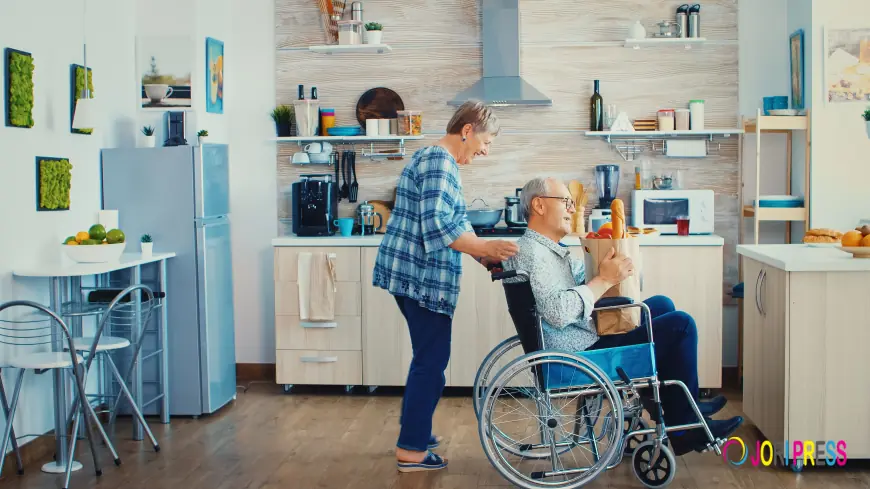
Understanding Supported Independent Living
Supported Independent Living is designed for NDIS participants who want to live more independently while still receiving the right level of support. Rather than a one-size-fits-all model, supported living focuses on individual routines, preferences, and goals. As a trusted NDIS Service Provider in Wyong, Connection Disability Services delivers supported independent living services that encourage choice, stability, and personal growth within a safe home environment.
A Typical Day in Supported Living
Daily life in supported living is structured yet flexible, allowing participants to maintain routines that suit their lifestyle. Each day is shaped around personal goals, support needs, and shared living arrangements. A typical day may include:
• Morning support with personal care and daily planning
• Meal preparation that encourages healthy choices and independence
• Participation in work, study, or community activities
• Time for hobbies, relaxation, and social interaction
• Evening routines that promote comfort and consistency
Support workers are present to assist when needed, while still respecting privacy and independence.
Building Life Skills at Your Own Pace
Supported independent living services are not just about assistance; they are about skill development. Participants are encouraged to learn and practise everyday skills that support long-term independence. This may involve:
• Budgeting and household management
• Cooking and meal planning
• Using public transport
• Developing communication and social skills
With consistent guidance, participants gain confidence in managing their daily lives and making informed decisions.
Creating a Safe and Supportive Home Environment
Safety and wellbeing are central to supported living. Homes are set up to meet individual needs while fostering a sense of belonging. Connection Disability Services ensures support plans are tailored, responsive, and aligned with NDIS goals. Key features of quality supported living include:
• Trained and reliable support staff
• Clear routines with flexibility
• Respect for cultural and personal preferences
• Ongoing monitoring and plan adjustments
As an experienced NDIS Service Provider in Wyong, the focus remains on long-term stability and quality of life.
Empowering Independence Through Choice
Choice is a cornerstone of supported independent living. Participants are actively involved in decisions about their home, daily routines, and support arrangements. This collaborative approach helps individuals feel respected and in control, while families gain reassurance that care is delivered with professionalism and empathy.
FAQs
Who is suitable for supported independent living?
Supported independent living is suitable for participants who require regular support and prefer to live in a shared or individual home setting.
Can support levels change over time?
Yes. Support plans are flexible and can be adjusted as participant needs, skills, and goals evolve.
Is supported living different from group homes?
Yes. Supported living focuses on individual choice and personalised support rather than a rigid, one-size-fits-all approach.
What's Your Reaction?
 Like
0
Like
0
 Dislike
0
Dislike
0
 Love
0
Love
0
 Funny
0
Funny
0
 Angry
0
Angry
0
 Sad
0
Sad
0
 Wow
0
Wow
0