
































The Role of AI in GDPR and HIPAA Compliance
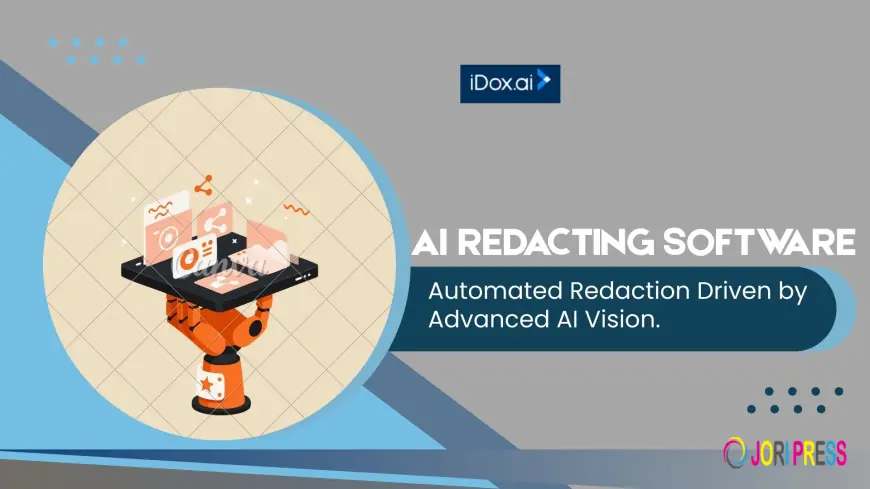
In an era where data is one of the most valuable assets for organizations, protecting sensitive information has become a legal and ethical obligation. Regulations like the General Data Protection Regulation (GDPR) in Europe and the Health Insurance Portability and Accountability Act (HIPAA) in the United States set strict standards for how organizations handle personal and health-related data. Non-compliance can result in hefty fines, reputational damage, and loss of customer trust. To navigate these complex regulatory landscapes, organizations are increasingly turning to AI redacting software to automate and strengthen data privacy measures.
Understanding GDPR and HIPAA Compliance
GDPR Overview
The GDPR, enacted in 2018, governs the collection, processing, and storage of personal data for individuals within the European Union. It emphasizes transparency, data minimization, and user consent, requiring organizations to implement strong safeguards against unauthorized access, accidental exposure, or misuse of personal information.
HIPAA Overview
HIPAA, introduced in 1996, regulates the protection of health information in the United States. Covered entities, such as hospitals, insurance providers, and healthcare professionals, must ensure that patients’ protected health information (PHI) remains confidential and is only shared with authorized parties. HIPAA compliance requires technical, administrative, and physical safeguards to secure sensitive health data.
Both regulations emphasize accountability, requiring organizations to demonstrate that they have implemented appropriate measures to protect sensitive information. This is where AI redacting software plays a transformative role.
What is AI Redacting Software?
AI redacting software is an advanced solution that automatically identifies, removes, or obscures sensitive information in digital documents, including PDFs, images, and other file formats. Unlike manual redaction methods, AI-powered tools leverage machine learning, natural language processing (NLP), and optical character recognition (OCR) to detect personal data or protected health information with high accuracy.
Key capabilities of AI redacting software include:
-
Automated Detection: Identifies PII or PHI across large document sets without manual intervention.
-
Permanent Redaction: Ensures that removed information cannot be recovered, including metadata, annotations, and hidden layers.
-
Batch Processing: Handles thousands of documents simultaneously, reducing time and human error.
-
Audit Trails: Generates logs that document redaction activities for compliance verification.
By combining automation with intelligence, AI redacting software reduces risk and ensures organizations can meet regulatory standards efficiently.
How AI Redacting Software Supports GDPR Compliance
1. Identifying Personal Data
GDPR defines personal data as any information that can directly or indirectly identify an individual, such as names, email addresses, IP addresses, or financial details. AI redacting software can scan documents for these identifiers and flag them for redaction. Its pattern recognition and NLP capabilities allow it to detect even context-dependent personal information, ensuring comprehensive protection.
2. Automating Data Minimization
GDPR mandates that organizations collect only the data necessary for a specific purpose. AI redacting software supports this principle by automatically removing extraneous or sensitive information before documents are shared or stored. This reduces the risk of overexposure and ensures compliance with data minimization requirements.
3. Maintaining Auditability
Organizations must demonstrate that they have taken adequate steps to protect personal data. AI redacting software provides detailed audit trails, recording when and how documents were redacted. These logs are invaluable during GDPR audits, as they prove accountability and adherence to privacy obligations.
4. Facilitating Secure Data Sharing
GDPR allows data sharing with third parties under strict conditions. By redacting sensitive personal data, organizations can safely share documents without violating the regulation. AI redacting software ensures that all PII is properly masked or removed before distribution.
How AI Redacting Software Supports HIPAA Compliance
1. Protecting Patient Data
HIPAA requires strict protection of PHI, including medical histories, test results, insurance details, and billing information. AI redacting software identifies and removes this data from documents that need to be shared, whether for research, audits, or administrative purposes, ensuring patients’ privacy is preserved.
2. Reducing Human Error
Manual redaction is prone to mistakes, such as failing to remove hidden text, metadata, or annotations. AI redacting software reduces this risk by automatically detecting all sensitive information, including elements that may not be visible to the human eye. This ensures that PHI is fully protected in compliance with HIPAA standards.
3. Supporting Secure Communication
Healthcare organizations often need to share documents with insurance companies, legal teams, or research partners. AI redacting software allows them to securely transmit information by removing identifiable health data while maintaining the utility of the documents for legitimate purposes.
4. Documentation and Audit Compliance
HIPAA audits require proof that appropriate safeguards are in place to protect PHI. AI redacting software generates logs and reports detailing redaction activities, providing evidence of compliance during audits or investigations.
Advantages of Using AI Redacting Software for Regulatory Compliance
1. Efficiency and Scalability
AI-powered redaction significantly speeds up the redaction process compared to manual methods. Organizations can process thousands of documents quickly, which is particularly important for large enterprises or healthcare providers handling massive data volumes.
2. Accuracy and Consistency
Machine learning models reduce human error, ensuring that all sensitive information is consistently identified and redacted across all documents. This reduces the likelihood of accidental exposure and regulatory violations.
3. Cost Reduction
Automating the redaction process lowers labor costs associated with manual document review and reduces the risk of costly non-compliance fines.
4. Enhanced Security
AI redacting software removes sensitive data permanently, including metadata and hidden layers, preventing unauthorized recovery and enhancing overall document security.
5. Regulatory Agility
As privacy regulations evolve, AI models can be updated to detect new types of sensitive information, ensuring ongoing compliance with GDPR, HIPAA, and future standards.
Best Practices for Using AI Redacting Software
To maximize compliance benefits, organizations should adopt the following best practices:
-
Regular Training: Ensure employees understand how to use AI redacting software effectively and recognize sensitive data.
-
Validate Redactions: Periodically review redacted documents to ensure accuracy and completeness.
-
Update Software: Keep AI models and redaction rules updated to handle new data types or regulatory changes.
-
Maintain Documentation: Preserve logs and reports generated by the software for audits and internal reviews.
-
Integrate With Workflows: Embed AI redaction tools into document management systems for seamless and secure processing.
Conclusion
In a digital landscape where sensitive data is constantly at risk, compliance with privacy regulations like GDPR and HIPAA is essential. AI redacting software provides an effective, reliable, and efficient solution for protecting personal and health-related information. By automating the detection and removal of sensitive data, generating audit trails, and ensuring permanent redaction, these tools empower organizations to maintain regulatory compliance, reduce human error, and safeguard trust.
As regulatory requirements grow stricter and data volumes continue to expand, leveraging AI redacting software is no longer optional—it is a critical component of any organization’s data privacy and compliance strategy. Embracing AI-driven redaction ensures that sensitive information remains protected while enabling secure and compliant document sharing in today’s fast-paced, data-centric world.
What's Your Reaction?
 Like
0
Like
0
 Dislike
0
Dislike
0
 Love
0
Love
0
 Funny
0
Funny
0
 Angry
0
Angry
0
 Sad
0
Sad
0
 Wow
0
Wow
0