










































Telehealth and Primary Care: How to Choose the Right Care for Your Needs
Discover how virtual doctor visits complement primary care. Learn when telehealth is appropriate, key differences from in-person care, and how to choose a reliable virtual clinic.
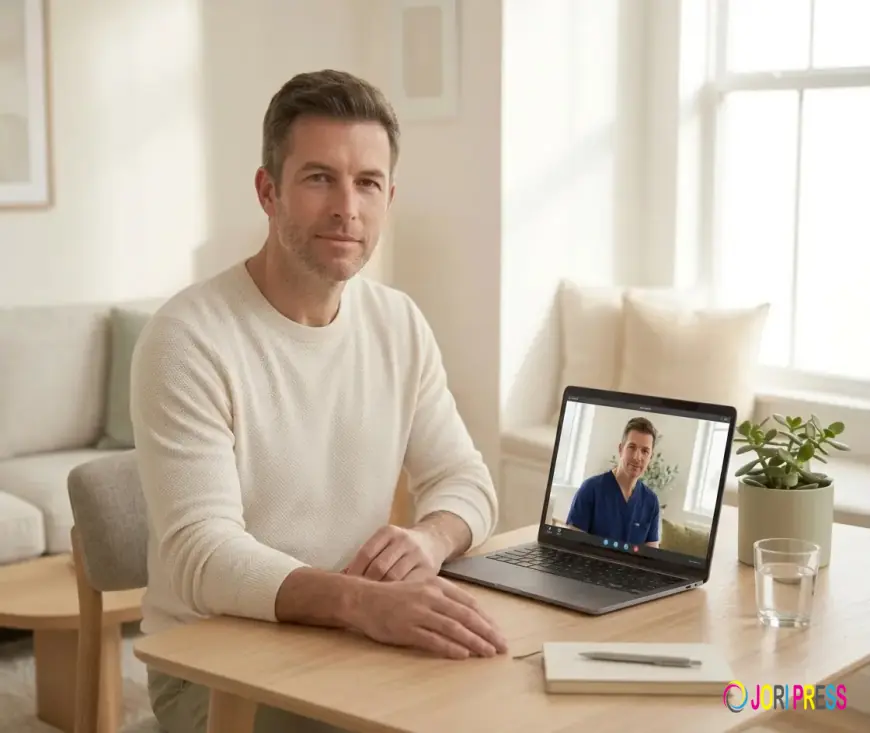
Telehealth and Primary Care: How to Choose
the Right Care for Your Needs
Healthcare is changing quickly, and telehealth has become an important way for patients to communicate with medical professionals without always traveling to a medical office. A virtual doctor visit can be useful for routine concerns, follow-up care, and certain health conditions, while in-person care remains important when a physical examination, testing, or hands-on treatment is required.
The key is not choosing virtual care for every situation. It is understanding when telehealth is appropriate and knowing how to select a provider that can support your healthcare needs responsibly.
What Is Telehealth?
Telehealth allows patients to communicate with healthcare professionals through digital technology. Depending on the provider and the type of appointment, this may include video consultations, telephone appointments, secure messaging, or remote monitoring.
A virtual consultation may allow a clinician to discuss symptoms, review medical history, assess certain visible symptoms, discuss medications, provide health guidance, or determine whether additional evaluation is needed.
Telehealth does not eliminate the need for traditional medical care. Instead, it provides another option for situations where remote assessment is clinically appropriate.
When Can a Virtual Doctor Visit Be Helpful?
A virtual doctor visit can be convenient for many healthcare situations. Patients may use virtual care for:
-
Routine follow-up appointments
-
Medication discussions and reviews
-
Certain minor illnesses
-
General health questions
-
Chronic condition follow-ups
-
Preventive healthcare discussions
-
Mental health consultations
-
Reviewing symptoms before deciding whether an in-person visit is needed
The exact services available depend on the healthcare provider and the patient's circumstances. A clinician should determine whether a particular concern can safely be managed through telehealth.
For example, some symptoms can be discussed effectively through a video consultation, while others require a physical examination or diagnostic testing.
When Is In-Person Care More Appropriate?
Telehealth is convenient, but it has limitations. Some medical situations require direct examination, laboratory testing, imaging, procedures, or other hands-on evaluation.
Patients may need in-person care when:
-
A physical examination is necessary
-
Diagnostic testing is required
-
A procedure or treatment must be performed in person
-
Symptoms are severe or rapidly worsening
-
A clinician determines that remote evaluation is insufficient
Emergency symptoms should never be delayed because someone is trying to arrange a virtual appointment. Serious or potentially life-threatening symptoms require appropriate emergency medical attention.
The purpose of telehealth is to improve access to suitable care—not to replace emergency services or every type of in-person medical evaluation.
What Should You Look for in a Virtual Clinic?
With many online healthcare options available, patients should look beyond convenience when choosing a provider.
1. Appropriate Medical Services
First, determine whether the provider offers the type of care you need. Some practices focus primarily on urgent care, while others provide primary care, chronic disease management, mental health support, or a combination of services.
2. Qualified Healthcare Professionals
Patients should understand who will provide their care and whether the provider is appropriately licensed to treat patients in the relevant location.
This is especially important because telehealth availability can depend on where the patient is located.
3. Continuity of Care
Healthcare should not always feel like starting from zero at every appointment. When appropriate, continuity can make it easier for clinicians to understand previous concerns, treatment decisions, and follow-up needs.
Ask how medical records are maintained and whether follow-up appointments are available.
4. Privacy and Security
Medical appointments involve sensitive personal information. Patients should use reputable healthcare platforms and understand how their information is collected, stored, and communicated.
A private environment on the patient's side is also important. Avoid discussing sensitive health information where other people can easily overhear the conversation.
5. Clear Next Steps
A useful telehealth appointment should not simply end when the video call ends. Patients should understand what they should do next.
Depending on the situation, that may include monitoring symptoms, scheduling follow-up care, completing testing, visiting an in-person provider, or seeking urgent medical attention.
For patients comparing a healthcare clinic in pennsylvania, these considerations can help determine whether a provider is suitable for ongoing primary care.
Why Location Still Matters With Telehealth
The word “telehealth” can make healthcare seem completely independent of geography, but location can still matter. Healthcare providers must operate within applicable licensing and regulatory requirements, and the services available to patients may vary by state.
This is why people searching for terms such as "Telehealth Florida or “ teleheath texas” should check whether a provider actually serves their location.
Florida patients researching virtual healthcare can also review resources such as telehealth services loop to better understand what types of virtual medical services may be available and how remote appointments can fit into primary and urgent care.
Patients should always verify current provider availability and requirements before scheduling an appointment.
How to Prepare for a Telehealth Appointment
Preparation can make a virtual appointment more productive.
Before the appointment, write down the main reason for the visit and consider making a short timeline of relevant symptoms. It can also be useful to have the following information available:
-
Current medications
-
Relevant medical history
-
Recent test or appointment information
-
Questions you want to ask
-
Changes in symptoms
-
Home measurements, if relevant and available
Choose a quiet and private location for the appointment. Make sure your internet connection, camera, and microphone are working if the consultation uses video.
Being prepared also helps patients communicate clearly. Instead of trying to remember everything during the appointment, having notes nearby can reduce the chance of overlooking an important question or symptom.
Telehealth and Ongoing Primary Care
Telehealth can be particularly useful when it becomes part of a broader healthcare plan rather than being treated as a one-time solution.
Primary care may involve routine checkups, preventive discussions, chronic condition management, medication reviews, and follow-up care. Some of these interactions can be performed virtually when clinically appropriate, while others may require an in-person visit.
The ideal approach is flexible. Patients should be able to use virtual appointments when they are suitable while still having access to in-person evaluation when necessary.
Practices such as closed loop clinic represent one model of virtual healthcare, combining telehealth with services such as family medicine and urgent care.
Making a Better Decision About Virtual Care
Searches for “virtual doctor,” “virtual clinic,” “telehealth appointments,” and “virtual doctor appointment” reflect a growing interest in convenient healthcare access. But convenience should not be the only factor guiding a healthcare decision.
Patients should consider the type of medical concern, the provider's qualifications, location requirements, privacy practices, continuity of care, and access to additional evaluation when needed.
Telehealth works best when technology supports sound medical decision-making rather than replacing it. For routine consultations and appropriate follow-up care, a virtual appointment can be a practical option. When examination, testing, or urgent treatment is necessary, patients should transition to the appropriate in-person setting.
Ultimately, good healthcare is about receiving the right care at the right time and from an appropriate healthcare professional. Telehealth can make that process more accessible, but responsible medical judgment should remain at the center of every decision.
What's Your Reaction?
 Like
0
Like
0
 Dislike
0
Dislike
0
 Love
0
Love
0
 Funny
0
Funny
0
 Angry
0
Angry
0
 Sad
0
Sad
0
 Wow
0
Wow
0