

































Sustainable Clothing: A Guide to Organic Cotton Women's Clothing
Explore sustainable clothing and organic cotton women's clothing, with practical advice on fabric quality, choosing a cotton tunic dress and caring for clothes that last.
Buying clothes should be straightforward. You find something you like, check the fit, decide whether the price feels reasonable and take it home. Yet many shoppers now want to know a little more about what they're buying. What is the fabric made from? Will it last beyond a handful of washes? And are claims about responsible production backed by anything more substantial than attractive packaging?
That growing interest has put sustainable clothing firmly on the radar for people who want to make more considered wardrobe choices.
For women, organic cotton is one option worth exploring. It can offer the familiar softness and breathability of cotton while using farming methods that meet specific organic standards. The finished garment still matters, though. A well-made cotton dress that you wear for years may be a more useful purchase than a poorly constructed item marketed as an eco-friendly essential.
The appeal of organic cotton women's clothing lies partly in its practicality. Cotton tops, dresses, tunics and relaxed everyday separates are easy to incorporate into an existing wardrobe. They don't require a complete change of personal style, and many can be worn in several different ways.
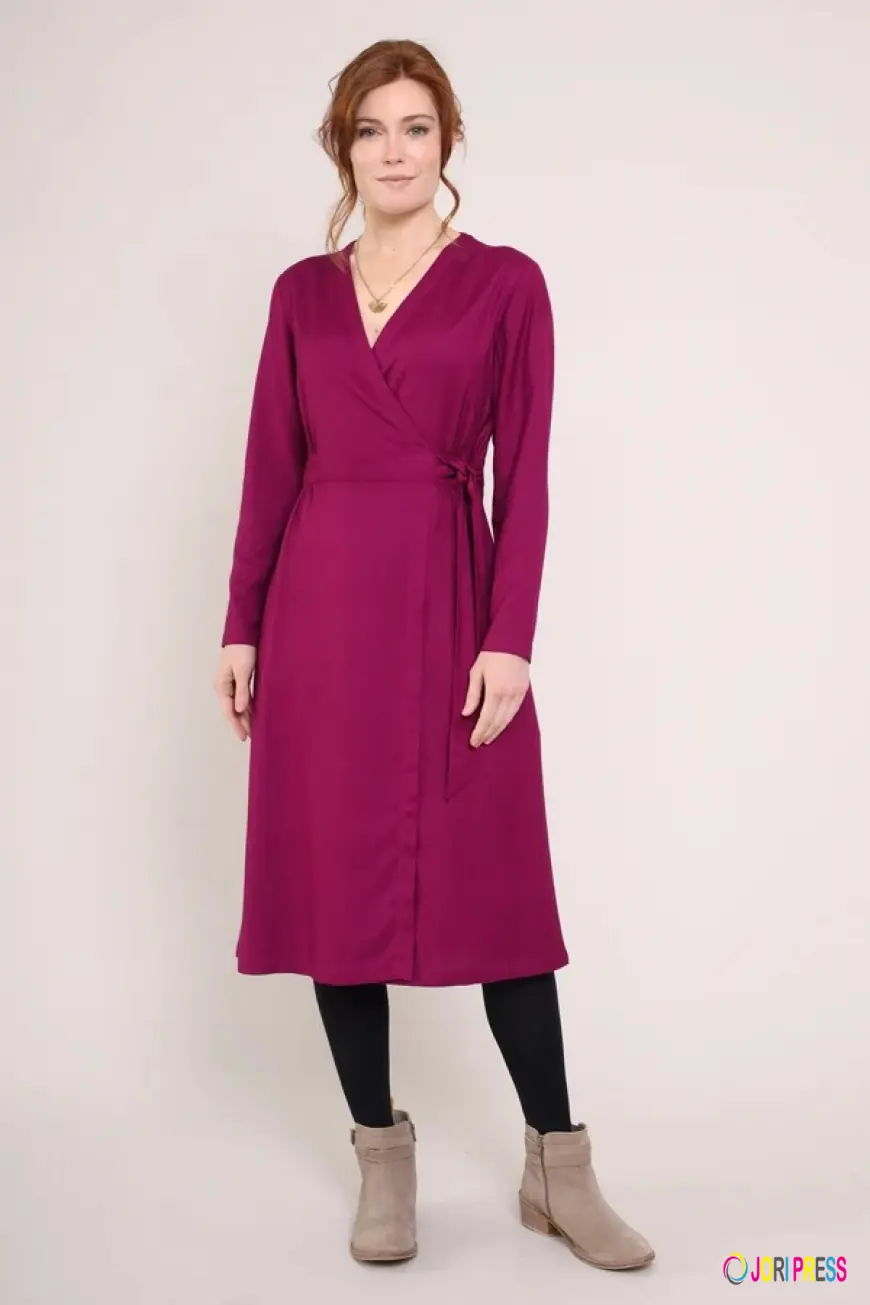
Take a cotton tunic dress. It can work for a casual day out, a relaxed office setting or a weekend away, depending on its cut and fabric. Choose carefully, and it may become one of those pieces you reach for repeatedly.
The key is to look beyond the label. Fabric, construction, fit, care requirements and the credibility of a brand's claims all deserve attention.
What does sustainable clothing really mean?
The term sustainable clothing is widely used, but it doesn't describe one particular fabric or guarantee that a garment has a low environmental impact.
Clothing production involves several stages: growing or manufacturing fibres, turning them into fabric, dyeing and finishing the material, making the garment, transporting it and eventually dealing with it when it's no longer wanted. Each stage has its own environmental and social considerations.
A garment made from a preferred fibre can still be poorly constructed, produced under questionable working conditions or discarded after very little use. Equally, an existing garment that is repaired and worn for several more years may be a sensible choice, even if it wasn't originally sold as sustainable.
This is why it's useful to think in terms of better decisions rather than perfect products.
For everyday shopping, start with a few straightforward questions. Is the material clearly identified? Does the brand explain its sourcing and manufacturing practices? Does the garment feel well made? Can you see yourself wearing it regularly, rather than just liking it in a product photograph?
These questions won't tell you everything about a product's impact, but they can help separate meaningful information from broad marketing language.
And there's no need to replace your entire wardrobe to make a start. Buying less, choosing carefully and making better use of what you already own can all form part of a more considered approach to fashion.
Why organic cotton women's clothing is worth considering
Cotton is familiar for a reason. It is soft, breathable and available in a wide range of fabric weights and finishes. Depending on the weave and garment construction, it can be suitable for everything from lightweight summer dresses to shirts, tunics and heavier everyday pieces.
Organic cotton women's clothing uses cotton grown according to recognised organic farming requirements. These typically restrict the use of synthetic pesticides and fertilisers, although the precise rules depend on the standard and certification involved.
That distinction can matter to shoppers who want to consider how their clothes are made, not just how they look.
However, organic cotton isn't automatically the best choice in every circumstance. Cotton farming still requires land and water, while spinning, dyeing, finishing, and garment production also use resources. The impact of the finished product depends on more than the fibre alone.
Quality is another consideration. Organic cotton can be made into excellent clothing, but the word organic doesn't guarantee a thick fabric, good stitching or a flattering fit. Those qualities depend on the design and manufacturing process.
When shopping, look at the garment itself. Is the fabric suitable for the intended use? Are the seams neat? Does the neckline sit properly? Is the material likely to become uncomfortable in hot weather or lose its shape after washing?
A simple cotton dress made well and worn often can be a useful wardrobe investment. That's the practical appeal: familiar clothing, chosen with a little more care.
Organic cotton versus conventional cotton
Both organic and conventional cotton can produce comfortable, durable clothing. The main distinction is the way the cotton is grown and the requirements governing the farming system.
Organic standards generally restrict certain synthetic agricultural inputs and set conditions for how crops are cultivated. Conventional cotton farming can use a wider range of permitted pesticides and fertilisers, depending on the location and production system.
For shoppers, certification can provide a clearer basis for comparison than a general claim on a label. It helps to identify which standard applies and what that standard actually covers.
It's worth keeping the distinction in perspective, however. A fibre's farming method is only one part of a garment's overall footprint. Water use, energy, dyeing, transport, durability and end-of-life treatment also matter. There isn't a single label that answers every environmental question.
The finished fabric is important, too. Cotton can be woven or knitted into different weights and textures. A lightweight weave may feel cool and airy, while a denser fabric might provide more coverage and structure.
Neither is inherently better. The right choice depends on the garment and how you intend to wear it.
If you're choosing a summer tunic, for example, you might prefer a breathable fabric that drapes comfortably without becoming transparent. For a dress you plan to wear throughout the year, a slightly heavier cotton may be more versatile.
Look for credible information about the fibre, then assess the garment on its own merits.
How to assess fabric quality before buying
Fabric quality is easier to judge when you know what to look for. You don't need specialist textile knowledge; a few practical checks can tell you quite a lot.
Start with the fabric description. Product pages should identify the main materials and, where relevant, the proportions of each fibre. If a garment is described as organic cotton, check whether that claim is explained or supported by a recognised certification.
Consider the weight and feel. Lightweight cotton is often comfortable in warm weather, but very thin fabric may need careful handling and can offer less coverage. A heavier material may feel more substantial, though it can also be warmer and less fluid.
Check the construction. Look at the seams, hems, buttonholes and fastening areas. Straight stitching, secure seams and neatly finished edges are encouraging signs. Loose threads don't always mean a garment is poorly made, but widespread untidy finishing is worth questioning.
Think about shape retention. Cotton garments can shrink or change shape if washed or dried incorrectly. Check the care label before buying, particularly if the item has a tailored cut or carefully placed detailing.
Read the measurements. Clothing sizes vary between brands, so use the garment's actual measurements where available. For dresses and tunics, pay attention to bust, hip and length measurements, along with whether the cut is fitted, straight or relaxed.
Price alone isn't a reliable quality indicator. An expensive garment can disappoint, while a reasonably priced piece may offer good construction and plenty of wear. The aim is to assess what you're getting rather than assume a particular price guarantees better production.
Choosing fit, finish and construction
A garment can have a desirable fibre composition and still spend most of its life hanging unworn. Fit is often the deciding factor.
For dresses and tunics, consider how the fabric falls across the shoulders, bust and hips. A relaxed shape should feel easy to move in without appearing unintentionally oversized. If the design includes a waist seam or belt, check whether it sits where you expect.
Sleeves make a difference as well. Loose sleeves can feel comfortable in warm weather, while a more fitted cut may be easier to layer beneath a cardigan or jacket.
Pay attention to practical details. Are pockets included? Is the neckline comfortable? Does the dress need a slip or another layer underneath? If you intend to travel with it, will it crease heavily, and can it be washed easily while you're away?
These may sound like small considerations, but they're often what determines whether a piece becomes a regular favourite.
The same applies to construction. A well-finished hem and secure seams can help a garment withstand repeated wear. Buttons should be firmly attached, and zips should move smoothly without catching the fabric.
If shopping in person, move around in the garment rather than judging it solely in front of a mirror. Sit down, raise your arms and walk a few steps. Clothing needs to work when you're living in it.
For online purchases, check the returns policy and review the sizing information before ordering. A little preparation can prevent the frustration of receiving a garment that looks nothing like you expected once it's on.
Cotton tunic dress: a versatile everyday option
A cotton tunic dress is worth considering if you want clothing that feels relaxed without being limited to one occasion.
Tunic dresses generally have a looser silhouette, although lengths, sleeve styles and shaping vary considerably. Some fall above the knee and are worn with trousers or leggings; others are long enough to wear as dresses on their own. The product's actual cut matters more than the name.
Cotton can work particularly well for this style because it is available in lightweight, breathable fabrics as well as more structured weaves. The right version depends on the season, the fit you prefer and how much coverage you want.
For a warm day, a loose cotton tunic with sandals and a simple bag can make an easy outfit. For a cooler afternoon, add a lightweight cardigan and flat shoes. A longer design can also work with ankle boots and a jacket, provided the proportions feel balanced.
When choosing one, look at the fabric's opacity, drape and length. A very lightweight cotton may feel airy but require an extra layer, while a heavier fabric can create a more structured shape. If the dress has a printed design, check how the pattern sits across seams and pockets.
Colour is another practical consideration. Neutral shades are easy to combine with existing pieces, while prints can add interest without requiring much styling. Choose what you'll genuinely enjoy wearing rather than what happens to be prominent in a seasonal collection.
If the tunic is intended for frequent use, pay attention to washing instructions and the likelihood of shrinkage. Cotton can be forgiving, but it still benefits from appropriate care.
The best cotton tunic dress is not necessarily the most elaborate one. Often, a comfortable fit, useful length and fabric that feels right against the skin are enough.
Styling organic cotton clothing for different occasions
One advantage of cotton clothing is that it can work across several settings without requiring much effort. The styling depends on the cut, colour and finish of the garment.
For everyday wear
A cotton tunic, simple T-shirt or relaxed dress can form the basis of an easy daytime outfit. Pair it with comfortable flats, sandals or trainers, depending on the weather and your plans.
Keep accessories practical. A crossbody bag, lightweight scarf or simple jewellery can add personality without making the outfit feel overdone.
For work or smart-casual occasions
Choose a more structured cotton dress or tunic in a solid colour or understated print. A neat cardigan, tailored jacket or simple belt can create a more defined silhouette.
Check your workplace dress code, of course. Cotton can look polished, but a very casual cut or heavily creased fabric may not suit every setting.
For holidays and travel
Breathable clothing is useful when temperatures rise, and a versatile dress can save space in a suitcase. Look for a piece that works with more than one pair of shoes and can be layered when the weather changes.
Creasing is worth considering. Some cotton fabrics wrinkle more readily than others, so think about whether you'll have access to an iron or prefer a relaxed, natural finish.
For cooler weather
A cotton tunic or dress can often be layered with tights, a cardigan or a jacket. Heavier cotton fabrics may offer more structure, while lighter designs work well beneath other pieces.
There is no need for every item to be worn in just one season. If the fabric and cut allow it, a dress that works in spring and autumn may offer better value than a piece bought for a single short-lived trend.
Colours, prints and timeless design
Choosing clothes you like is part of making a wardrobe more useful. There's little benefit in buying a garment because it meets a particular sustainability claim if you don't feel comfortable wearing it.
Neutral colours such as navy, cream, black, olive and muted brown can be easy to combine with other pieces. They may suit shoppers who prefer a smaller wardrobe with several items that work together.
Prints and brighter colours have their place, too. A patterned cotton dress can become a distinctive favourite, especially if it reflects your personal style. Timeless doesn't have to mean plain.
Instead of following a strict list of colours, consider the clothes you already wear. If most of your wardrobe consists of denim and neutral separates, choose shades that work naturally with those items. If you enjoy colour, don't abandon it in the name of minimalism.
Design details matter as well. A classic neckline, comfortable sleeves and a cut that suits your body may remain appealing longer than a trend-led shape that feels dated after one season.
This isn't a rule against fashion. Clothes should be enjoyable. The more often you reach for a piece, the more useful it is likely to be in your wardrobe.
Understanding sustainability claims and certifications
Terms such as eco-friendly, green and conscious can sound reassuring, but they don't always tell you what has actually been done differently.
When a brand describes a garment as sustainable, look for specific information. Does it explain the fibre content? Is organic cotton independently certified? Does the company provide details about its manufacturing processes, suppliers or labour standards?
A recognised certification can offer useful evidence, but it's worth checking what it covers. Some standards focus on organic fibre production, while others address processing, chemical use, traceability or social criteria. They are not interchangeable.
For example, a certification relating to organic cotton may provide assurance about the fibre's origin, but it doesn't necessarily prove that every stage of garment production has the lowest possible environmental impact.
The same caution applies to recycled packaging or carbon-related claims. These may be relevant, but they don't tell you everything about the garment itself.
Look for clear, specific language rather than sweeping promises. If a brand makes a major environmental claim but offers no supporting detail, it's reasonable to ask what the claim means.
This approach isn't about expecting every company to publish a complete environmental assessment for every item. It's about rewarding transparency and making decisions based on evidence rather than presentation.
Why durability matters when shopping for clothes
A garment's useful life deserves as much attention as its initial material.
Consider two dresses. One is made from organic cotton but loses its shape after a few washes and is rarely worn again. The other uses a different fabric, has sturdy construction and remains in regular use for years. The first may have an appealing fibre story, but the second may provide greater practical value over time.
This doesn't mean fibre choice is irrelevant. It means the full picture matters.
When assessing durability, check seams, hems, fastening points and fabric thickness. Think about how often the garment will be worn and whether its style works with your existing clothes.
Versatility helps. A cotton dress that can be worn with sandals in summer and layered with a jacket in cooler weather may serve more purposes than one designed for a single occasion.
Repairability is worth considering, too. A loose button or small seam opening is usually straightforward to fix, while a damaged zip or complicated construction may be harder to deal with. Keeping basic repair supplies at home can help extend the life of clothes you already own.
Buying second-hand is another option. Pre-owned clothing allows existing garments to remain in use, and it can be a good way to find natural-fibre pieces without purchasing new stock.
The practical aim is simple: buy with a clear idea of how the item will fit into your life, then take care of it.
Washing, drying and storing cotton garments
Even well-made cotton clothing can deteriorate if it's repeatedly washed under harsh conditions. Care labels are worth reading, especially for garments with prints, embroidery, linings or mixed-fibre construction.
Wash clothes at the temperature the manufacturer recommends. Cooler settings may be suitable for lightly soiled everyday clothing and can reduce energy use, although heavily soiled items may require a different approach.
Avoid using more detergent than necessary. Excess product can leave residue, and aggressive washing can contribute to wear over time.
Where possible, air-dry cotton garments rather than relying on high heat. Tumble drying can cause shrinkage in some cotton fabrics, particularly if the item hasn't been designed for it. If you do use a dryer, follow the care instructions and avoid unnecessarily high temperatures.
Hang dresses on suitable hangers or fold them carefully, depending on the fabric and how easily it stretches. Store clothes in a clean, dry place and make sure they're completely dry before putting them away.
Treat stains promptly using a method appropriate for the fabric. Test any cleaning product on an inconspicuous area first, particularly with coloured or printed cotton.
These habits won't make a garment last forever, but they can help preserve its appearance and usefulness. They also make good financial sense: clothing that stays in wearable condition for longer is less likely to need replacing.
Building a more considered wardrobe without buying everything new
Shopping for more responsible clothing doesn't have to mean starting from scratch.
Begin by looking at what you already own. Which items do you wear regularly? Which are uncomfortable, difficult to style or no longer fit? You may discover that a few small changes would make your existing wardrobe more useful.
If you need something new, identify the gap before shopping. Perhaps you want a breathable summer dress, a versatile tunic or a few everyday tops that work with several pairs of trousers. A clear purpose makes it easier to avoid impulse purchases.
Compare the options available, but don't treat a particular fabric as the only deciding factor. Fit, construction, care requirements and how often you'll wear the item should all influence the decision.
You can also explore second-hand shops, clothing swaps and repair services. These options won't suit every purchase, but they can help you make use of clothing that already exists.
And resist the idea that a sustainable wardrobe must be minimalist or neutral. It can contain bright prints, favourite colours and a mixture of styles. What matters is that the clothes serve you well and aren't bought simply to keep up with a constant cycle of trends.
A wardrobe becomes more useful when you know what you enjoy wearing and choose new pieces with that in mind.
A practical buying checklist
Before purchasing organic cotton women's clothing, use this checklist to make a more informed decision:
-
Fibre information: Is the material clearly identified, including the percentage of cotton where relevant?
-
Organic claim: Is the claim supported by credible certification or clear sourcing information?
-
Fabric quality: Does the weight and texture suit the garment's intended use?
-
Construction: Are seams, hems, buttons and fastenings neatly finished?
-
Fit: Have you checked the garment measurements and the brand's sizing guidance?
-
Comfort: Will the cut and fabric suit how you intend to wear it?
-
Versatility: Can the item work with clothes you already own?
-
Care: Are the washing and drying requirements practical for your routine?
-
Durability: Does the garment appear well-made enough for regular use?
-
Transparency: Does the brand explain its claims clearly rather than relying on vague environmental language?
-
Value: Is the price reasonable for the expected quality and likely frequency of wear?
The same checklist works for a cotton tunic dress, a shirt or a pair of everyday trousers. You don't need to research every purchase exhaustively. A few considered checks can be enough to make better comparisons.
Choosing sustainable clothing is less about finding a perfect product and more about understanding what you're buying, how it's made and whether it will earn a place in your wardrobe.
Organic cotton can be a worthwhile option for shoppers who value natural fibres and want to consider the farming practices behind their clothes. Yet the label alone isn't enough. Fabric quality, garment construction, credible claims and long-term use all deserve attention.
When comparing organic cotton women's clothing, look for pieces that fit well, feel comfortable and work with the clothes you already own. A versatile dress or well-made tunic can offer plenty of use without requiring a complicated wardrobe.
A cotton tunic dress is a good example of a practical choice. Depending on its length and cut, it can be worn casually, layered for cooler weather or packed for a holiday. The right one won't just look appealing on the day it arrives; it will continue to work for you months or years later.
Buy thoughtfully, care for your clothes properly and make use of what you already have. Those small decisions are often more useful than chasing a label that promises more than it can prove.
FAQs
What is sustainable clothing?
Sustainable clothing generally refers to garments designed, produced, used or managed with greater consideration for environmental and social impacts. The term covers several factors, including materials, manufacturing, durability, working conditions and how long clothes remain in use. It doesn't guarantee that a product has no environmental impact.
Is organic cotton better than conventional cotton?
Organic cotton is grown according to organic farming standards that generally restrict certain synthetic pesticides and fertilisers. It may suit shoppers who want to consider farming practices, but the overall impact of a garment also depends on processing, dyeing, manufacturing, transport and durability.
What should I look for in organic cotton women's clothing?
Check the fibre composition, any relevant organic certification, fabric quality, stitching, fit and care instructions. Look for clear information about the brand's claims and choose garments you expect to wear regularly. Organic content alone doesn't guarantee good construction or long-lasting quality.
Is a cotton tunic dress suitable for everyday wear?
Yes. A cotton tunic dress can be a practical option for everyday activities, travel and relaxed occasions. Its suitability depends on the length, cut, fabric weight and level of coverage. Consider how it fits, whether it needs additional layers and how easily it can be washed.
What's Your Reaction?
 Like
0
Like
0
 Dislike
0
Dislike
0
 Love
0
Love
0
 Funny
0
Funny
0
 Angry
0
Angry
0
 Sad
0
Sad
0
 Wow
0
Wow
0