



































Soyabeans Company in India: Important Considerations for Business Buyers
Learn how to choose a Soyabeans Company in India by comparing product quality, suppliers, pricing, storage, documentation, and supply reliability.

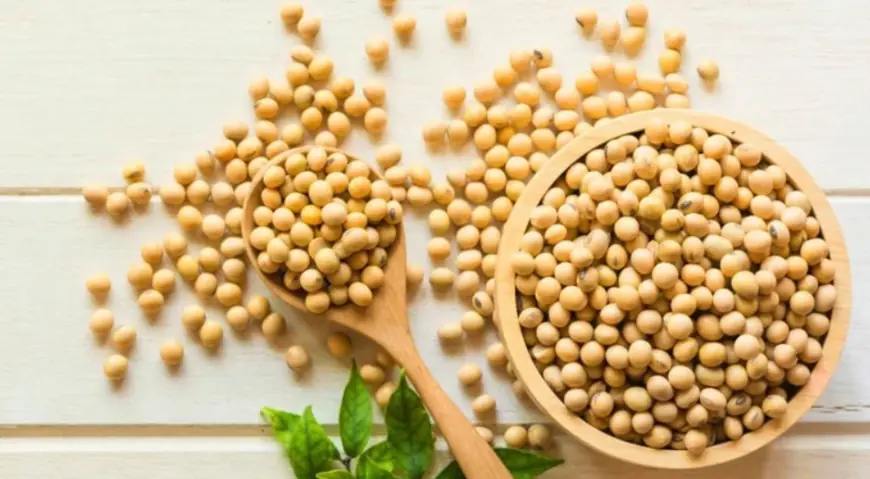
Choosing the right Soyabeans Company in India is an important decision for businesses involved in food processing, animal feed production, agricultural trading, and other soybean-based industries. The right business partner can help maintain consistent product quality, reliable supply, and predictable procurement costs. However, selecting a supplier involves more than comparing prices. Buyers must also consider product specifications, quality control, storage practices, logistics, documentation, and long-term supply capabilities.
India has an established soybean value chain that connects farmers, traders, processors, manufacturers, and industrial buyers. Understanding how this market operates can help businesses make informed purchasing decisions and build dependable supplier relationships.
This guide explains the key considerations for evaluating soybean companies, comparing suppliers, and sourcing soybean products for commercial use.
Understanding the Role of a Soyabeans Company in India
A Soyabeans Company in India may operate as a trader, distributor, processor, manufacturer, or integrated agricultural business. Each type of company serves different purchasing requirements, so buyers should first identify the products and services they need.
For example, a food processing business may require food-grade soybeans or specific soybean ingredients, while an animal feed manufacturer may purchase soybean meal. A trading company, on the other hand, might need bulk quantities of raw soybeans for further distribution or processing.
Understanding these differences helps businesses approach the right type of supplier instead of spending time evaluating companies that do not meet their requirements.
Before contacting a company, buyers should establish their required product type, expected monthly volume, quality specifications, delivery location, and procurement schedule.
1. Evaluate Product Quality and Specifications
Product quality should be one of the first considerations when selecting a soybean supplier. Variations in moisture, impurities, damaged grains, and storage conditions can affect processing efficiency, product consistency, and overall purchasing value.
Businesses should request clear product specifications before placing an order. Depending on the intended application, these may include:
-
Moisture content: Excessive moisture can increase the risk of spoilage during storage.
-
Purity and foreign matter: Soil, stones, plant debris, and other impurities can affect processing.
-
Damaged or discoloured grains: These may indicate handling, storage, or quality issues.
-
Protein and oil content: These parameters may be important for crushing, extraction, feed production, and other industrial applications.
-
Microbiological and food-safety requirements: These are particularly relevant when soybeans or derived ingredients are intended for food applications.
Buyers should request a representative sample, an agreed specification sheet, and a certificate of analysis where applicable. For large or recurring orders, independent laboratory testing may provide additional assurance.
A supplier's quality claims should be supported by measurable specifications and appropriate documentation rather than verbal assurances alone.
2. Compare Soyabeans Suppliers in India Beyond Price
When comparing Soyabeans Suppliers in India, the lowest quoted price does not necessarily represent the best overall value. A low purchase price can be offset by higher transportation costs, inconsistent quality, processing losses, or delayed deliveries.
A more effective approach is to calculate the total landed cost.
This typically includes the product price, freight, loading and unloading charges, applicable taxes, insurance where relevant, and any additional costs associated with quality-related losses.
Businesses should also compare minimum order quantities, payment terms, delivery schedules, and the supplier's ability to accommodate changing demand.
For example, a supplier offering a slightly higher price may be a better choice if it provides consistent quality, dependable delivery schedules, and clear communication.
Requesting comparable quotations from multiple suppliers using the same specifications makes the evaluation more reliable and helps prevent misleading price comparisons.
3. Understand the Difference Between Dealers, Suppliers, and Manufacturers
The terms Soyabeans Dealers in India, suppliers, and manufacturers are often used interchangeably, but they can represent different business models.
Dealers generally purchase and resell products, connecting buyers with available market supply. Suppliers may include dealers, distributors, processors, or businesses that coordinate sourcing and delivery. Manufacturers and processors handle production or transformation activities, depending on their facilities and product range.
A company that processes soybeans may offer products such as soybean meal, crude soybean oil, or other derivatives, depending on its operations. A dealer may focus primarily on sourcing and distribution rather than processing.
Neither model is automatically better. The right choice depends on the buyer's requirements.
Businesses purchasing raw soybeans may benefit from a supplier with strong procurement and logistics capabilities. Buyers requiring processed ingredients may prefer a manufacturer that can provide detailed product specifications and consistent production standards.
Before finalising an agreement, ask the company whether it owns or operates processing facilities, sources products from third parties, or combines both models. Verify relevant claims through documentation and, where appropriate, a facility visit.
4. Research Soyabeans Manufacturers in India
When evaluating Soyabeans Manufacturers in India, businesses should examine the company's processing capabilities, production consistency, quality-management procedures, and ability to fulfil orders at the required scale.
Important questions include:
-
What soybean products does the company manufacture or process?
-
Can it meet the required quantity and delivery schedule?
-
Does it maintain documented quality-control procedures?
-
Can it provide product samples and technical specifications?
-
How does it manage rejected batches or quality complaints?
-
Can it demonstrate compliance with applicable regulations?
Manufacturing capacity alone does not establish suitability. A large facility may not produce the specific grade a buyer requires, while a smaller manufacturer may be well suited to specialised or moderate-volume orders.
Buyers should evaluate the actual product range and operational capabilities instead of relying exclusively on company size or marketing claims.
Where relevant, request information about traceability, batch identification, testing procedures, and the handling of non-conforming products.
5. Assess Soyabeans Brands in India and Their Product Range
Researching Soyabeans Brands in India can help buyers understand the market, identify potential suppliers, and compare the availability of different soybean products.
However, brand recognition should not replace technical evaluation. A familiar brand may offer products that do not match a buyer's industrial specifications, while a less familiar supplier may provide a suitable product backed by reliable documentation.
When comparing Soyabeans Brands, examine the intended application, grade, packaging, consistency, available technical information, and commercial terms.
For processed soybean products, buyers should pay particular attention to nutritional composition, processing method, intended use, and storage requirements. For raw soybeans, relevant considerations may include variety, moisture, purity, and suitability for the intended process.
Businesses researching suppliers such as Valency Agro should independently verify the specific products available, current supply capabilities, and applicable commercial terms before making a purchasing decision.
A structured comparison based on product suitability and verifiable evidence is more useful than selecting a company solely because of its brand name.
6. Check Storage, Handling, and Transportation Practices
Soybeans require appropriate storage and handling to preserve quality between harvest, processing, and delivery. Poor storage conditions can contribute to moisture-related deterioration, pest activity, contamination, and reduced product usability.
A reliable supplier should be able to explain its storage practices and transportation arrangements.
Buyers should consider whether storage areas are clean, dry, and protected from water ingress. They should also ask how the supplier manages pest control, stock rotation, product segregation, and protection against cross-contamination.
Transportation is equally important for bulk purchases. The condition and cleanliness of trucks, containers, or other transport equipment can influence the quality of delivered material.
For regular procurement, businesses should establish clear delivery procedures, including acceptable product conditions on arrival, sampling arrangements, inspection timelines, and responsibility for handling discrepancies.
These measures help reduce avoidable losses and make supplier performance easier to evaluate.
7. Verify Documentation and Regulatory Compliance
Before placing a commercial order, buyers should verify the supplier's business identity and relevant documentation. Requirements vary according to the product, business activity, and intended application.
Depending on the transaction, useful documents may include business registration details, tax information, invoices, product specifications, certificates of analysis, and transport documentation.
For food-related products, buyers should determine which food-safety requirements and licences apply to the particular product and business activity. Animal feed, export shipments, and other specialised applications may involve additional requirements.
Do not assume that every certificate applies to every soybean product. Verify the validity, scope, issuing authority, and applicability of any licence or certification presented by a supplier.
Businesses working with Valency Agro or another potential supplier should confirm relevant credentials directly and ensure that the proposed transaction meets their own procurement and compliance requirements.
8. Review Supply Reliability and Long-Term Partnership Potential
A supplier relationship should support both immediate purchasing needs and future business planning. Seasonal availability, market fluctuations, transportation disruptions, and changing demand can affect soybean procurement.
Businesses should ask prospective suppliers how they manage seasonal sourcing, communicate availability, and handle unexpected delivery delays.
For recurring purchases, a written agreement can establish product specifications, quantities, pricing arrangements, delivery windows, payment terms, quality inspection procedures, and dispute-resolution processes.
It is also useful to discuss contingency arrangements if the original product or delivery schedule becomes unavailable.
Regular performance reviews can help buyers assess delivery accuracy, quality consistency, responsiveness, and complaint resolution. These indicators provide a practical basis for deciding whether to continue or expand a supplier relationship.
9. Make a Structured Supplier Comparison
A simple evaluation framework can make the final decision more objective. Businesses can score each prospective supplier against the same criteria before comparing quotations.
|
Evaluation factor |
What to check |
|
Product quality |
Specifications, samples, testing |
|
Commercial value |
Total landed cost and payment terms |
|
Supply capacity |
Available volumes and delivery schedules |
|
Storage and logistics |
Handling practices and transport reliability |
|
Documentation |
Business details and applicable compliance records |
|
Communication |
Response time and complaint resolution |
|
Long-term suitability |
Consistency and ability to meet future demand |
The importance assigned to each factor should reflect the business's operational needs. A food manufacturer may prioritise quality assurance and traceability, while a bulk trader may place greater emphasis on availability, logistics, and commercial terms.
Using the same framework for every supplier reduces the influence of subjective impressions and makes purchasing decisions easier to explain internally.
Conclusion
Selecting the right Soyabeans Company in India requires a balanced assessment of product quality, commercial value, supply reliability, processing capabilities, and documentation. Buyers should distinguish between dealers, suppliers, and manufacturers, while evaluating each business according to the specific products and services it provides.
Researching Soyabeans Suppliers in India, comparing relevant brands, checking storage practices, and establishing clear purchase specifications can help reduce procurement risks. Companies such as Valency Agro may be included in supplier research where their verified offerings match the buyer's requirements.
Ultimately, the most suitable supplier is the one that consistently meets documented specifications, communicates transparently, and supports the buyer's operational needs. A structured evaluation process helps businesses make informed decisions and build more dependable soybean sourcing arrangements.
Frequently Asked Questions
1. How do I choose a Soyabeans Company in India?
Compare product quality, specifications, pricing, delivery reliability, storage practices, documentation, and supply capacity. Request samples and written quotations before making a final decision.
2. What should businesses check when selecting Soyabeans Suppliers in India?
Businesses should verify product specifications, available quantities, total landed cost, delivery schedules, quality-testing procedures, business documentation, and complaint-handling policies.
3. What is the difference between soybean dealers and manufacturers?
Dealers generally buy and resell soybean products, while manufacturers or processors transform raw soybeans into products such as soybean meal or soybean oil. Some businesses may perform both functions.
4. How can buyers compare Soyabeans Brands in India?
Compare brands according to the intended application, product specifications, quality documentation, packaging, availability, pricing, and consistency. Brand recognition alone is not sufficient to establish product suitability.
5. How can I evaluate Valency Agro as a potential soybean business partner?
Start by confirming its current product range, business credentials, supply capabilities, product specifications, and commercial terms directly. Request relevant documentation and samples where available, then compare its offering with other suppliers against the same purchasing criteria.
What's Your Reaction?
 Like
0
Like
0
 Dislike
0
Dislike
0
 Love
0
Love
0
 Funny
0
Funny
0
 Angry
0
Angry
0
 Sad
0
Sad
0
 Wow
0
Wow
0