





































Solar Panel Installation Brisbane: A Step-by-Step Guide for Property Owners
Solar Panel Installation Brisbane: A Step-by-Step Guide for Property Owners
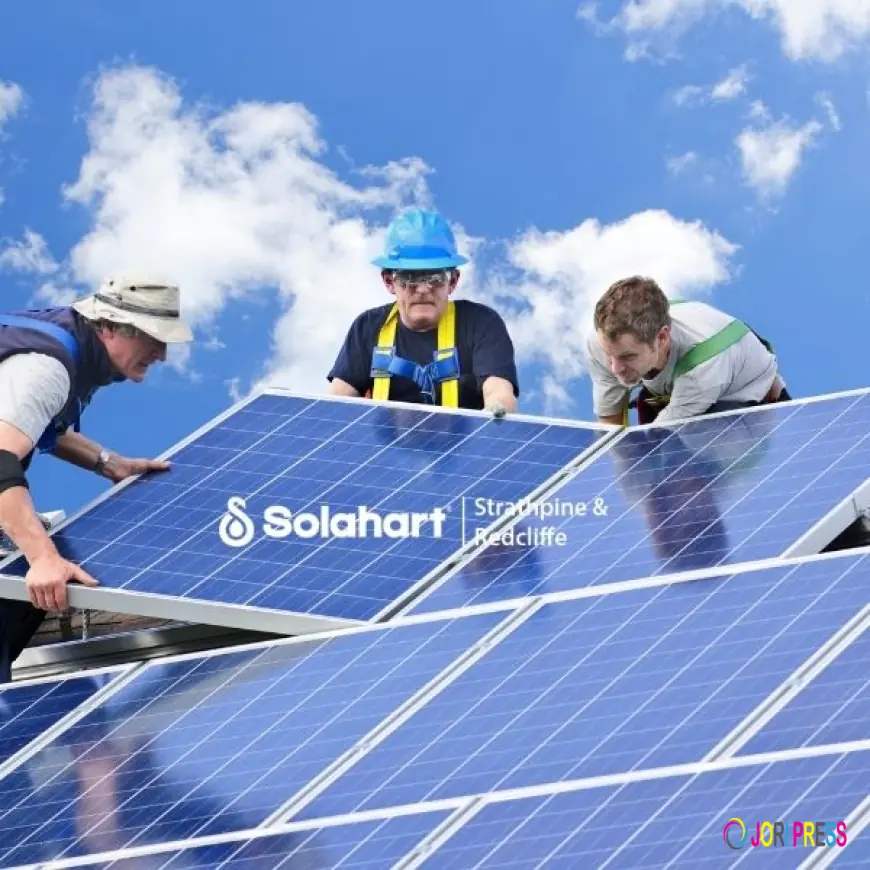
Solar energy has become an increasingly practical option for Brisbane property owners looking to generate electricity from a renewable source. With plenty of sunshine throughout the year, Brisbane properties can be well suited to solar power when the system is properly designed and installed. However, installing solar panels involves more than simply placing panels on a roof. Property owners need to consider energy consumption, roof suitability, system size, equipment, installation requirements, electrical connections, and ongoing performance.
Understanding the process of Solar Panel Installation Brisbane can make it easier to prepare for a solar project and make informed decisions. This step-by-step guide explains the main stages involved, from assessing a property to monitoring a completed solar system.
1. Understand Your Current Energy Consumption
The first step in any solar project is understanding how much electricity the property currently uses. Electricity bills can provide useful information about consumption over different periods.
Look at:
Average daily electricity usage
Seasonal changes in electricity consumption
Electricity rates and charges
Daytime versus evening energy use
Existing appliances and electrical equipment
Planned changes that could increase future electricity consumption
For example, a household planning to install an electric vehicle charger, induction cooktop, pool equipment, or additional air-conditioning may eventually use more electricity than it does today.
Businesses should consider operating hours, machinery, refrigeration, lighting, computers, heating and cooling systems, and other equipment. Understanding these patterns helps determine what type and size of solar system may be appropriate.
2. Assess the Property and Roof
The next stage is checking whether the property is suitable for solar panels. A professional assessment generally considers the roof's size, orientation, pitch, condition, shading, and available installation area.
Brisbane roofs can vary considerably between properties. Some may have large, open sections with minimal shading, while others may have multiple roof surfaces, nearby trees, chimneys, neighbouring buildings, or other obstacles.
Important factors include:
Roof orientation
The direction a roof faces can affect how much sunlight reaches the panels throughout the day. Different roof orientations can still be suitable for solar, but the system design needs to account for the available sunlight.
Roof pitch
The angle of the roof can influence panel positioning and energy generation. Installers consider the existing roof structure when determining how panels can be mounted.
Shading
Trees, buildings, roof structures, and other objects can create shadows across solar panels. Even partial shading can affect the output of a solar array, depending on the system design and equipment used.
Roof condition
Solar panels are designed to remain on a roof for many years. If the roof requires significant repairs or replacement, addressing those issues before installation may be appropriate.
3. Determine the Appropriate Solar System Size
Once electricity usage and property characteristics have been assessed, the next step is determining an appropriate system size.
Solar systems are commonly described by their capacity in kilowatts (kW). The right size depends on factors such as:
Current electricity consumption
Available roof space
Sunlight exposure
Daytime electricity demand
Future energy requirements
Budget
Whether battery storage is included
A larger system is not automatically the best option for every property. The goal is to select a system that matches the property's electricity requirements and available installation conditions.
For businesses, daytime energy consumption can be particularly important because commercial properties may use significant amounts of electricity while solar panels are generating power.
4. Choose the Main Solar Equipment
A solar installation consists of several important components. Solar panels are only one part of the overall system.
Solar panels
Panels convert sunlight into direct-current electricity. Panel specifications can differ in terms of efficiency, physical dimensions, warranties, and expected performance.
Inverter
The inverter converts the electricity generated by the panels into alternating-current electricity that can be used by the property's electrical system.
Different inverter configurations may be suitable for different properties. The choice can depend on system size, roof layout, shading, and other technical requirements.
Mounting system
Mounting equipment secures solar panels to the roof. The mounting solution needs to be suitable for the roof type and installation conditions.
Monitoring equipment
Many modern solar systems provide monitoring information that allows property owners to review electricity generation and system performance.
Battery storage
A battery can store surplus solar electricity for use later. This can be useful for properties that consume substantial amounts of electricity in the evening or outside normal solar-generation hours. However, battery storage is an additional consideration and should be assessed according to the property's energy-use patterns.
5. Review the Installation Design
Before installation begins, the proposed system should be reviewed carefully. The design generally identifies the panel layout, inverter location, electrical connections, mounting arrangements, and other relevant components.
A good design considers both current and future energy needs.
Property owners should understand:
Where the panels will be installed
How many panels are proposed
Where the inverter will be located
Whether battery storage is included
How the system will connect to the property's electrical infrastructure
What monitoring options are available
What maintenance access may be required
For properties with complex roof designs, multiple roof orientations, or shading concerns, system design becomes particularly important.
6. Consider Electrical and Grid Requirements
Solar installation involves electrical work as well as roof work. The solar system must be connected correctly to the property's electrical infrastructure.
Depending on the installation, there may also be requirements associated with connecting the system to the electricity grid. These requirements can vary according to the property, system configuration, electricity network, and applicable rules.
A qualified and appropriately accredited installer can help property owners understand the relevant requirements and installation process.
This stage is important because a solar system needs to operate safely and reliably alongside the property's existing electrical equipment.
7. Prepare the Property for Installation
Once the system design and necessary requirements have been confirmed, the property can be prepared for installation.
Preparation may involve ensuring clear access to the roof, identifying suitable locations for equipment, checking electrical infrastructure, and addressing any roof issues identified during the assessment.
Property owners should also consider practical installation-day requirements. Installers may need access to the roof, switchboard, garage, utility area, or other parts of the property.
Good preparation can help reduce unnecessary delays during installation.
8. Install the Mounting System and Solar Panels
The physical installation typically begins with the mounting system. Mounting components are positioned according to the approved system design and roof conditions.
The solar panels are then secured to the mounting structure.
During this stage, installers need to consider panel spacing, alignment, cable management, roof penetrations where applicable, and safe working practices.
The final panel arrangement should provide a stable installation while making effective use of the available roof area.
9. Install and Connect the Inverter
After the panels are installed, the inverter and associated electrical equipment are connected.
The inverter needs to be installed in an appropriate location that allows suitable access and operating conditions. The exact location can depend on the property layout and system design.
Electrical connections between the solar panels, inverter, switchboard, and other components are completed according to applicable installation requirements.
This is a technical stage of Solar Panel Installation Brisbane, which is why solar electrical work should be carried out by qualified professionals.
10. Complete Testing and Commissioning
Before the solar system is placed into normal operation, it should be inspected and tested.
Commissioning can include checking electrical connections, system operation, inverter performance, safety components, monitoring equipment, and other parts of the installation.
The installer should also explain how the system works and how the property owner can monitor electricity generation.
Understanding the monitoring system can help identify unusual changes in performance later. For example, a property owner may notice if solar generation drops unexpectedly compared with normal conditions.
11. Understand How to Use Your Solar Electricity
After installation, how the property uses electricity can influence the financial and practical benefits of solar power.
Solar panels generally generate electricity during daylight hours. Using electricity while the panels are producing power can increase the amount of generated energy consumed directly on-site.
For households, this may involve operating appliances such as:
Washing machines
Dishwashers
Pool pumps
Hot water systems
Air-conditioning
Other high-energy appliances
Businesses may be able to schedule suitable equipment or operations during periods of solar generation.
If a battery is installed, excess electricity can potentially be stored for later use, depending on the system configuration and battery capacity.
12. Monitor and Maintain the Solar System
Solar panels generally require relatively little routine maintenance, but monitoring system performance remains important.
Property owners should periodically check:
Solar generation
Inverter status
Monitoring alerts
Changes in electricity consumption
Visible panel damage
Unusual system behaviour
Dirt, leaves, bird activity, nearby vegetation, and environmental conditions can affect panel performance. The appropriate maintenance approach depends on the property and installation conditions.
If an issue is suspected, property owners should contact a qualified solar professional rather than attempting electrical repairs themselves.
Why Professional Installation Matters
Choosing a properly designed and professionally installed system is important for long-term performance. Solar panels and electrical equipment need to work together as a complete system.
Professional installation can help address factors such as roof structure, panel positioning, electrical connections, inverter selection, safety requirements, and system commissioning.
For Brisbane property owners, local environmental conditions also need to be considered during system planning. A system designed specifically for the property can account for roof characteristics, sunlight exposure, shading, energy consumption, and other factors that influence performance.
At Solahart Strathpine, we offer tailored solar panel installation solutions for Brisbane homes and businesses. Residential solar systems are designed to maximise savings, increase energy independence, and add value to your property.
Common Mistakes Property Owners Should Avoid
Understanding common mistakes can help property owners approach solar installation more effectively.
Choosing a system based only on price
The lowest upfront price does not necessarily represent the best overall option. Equipment quality, installation standards, system design, warranties, and expected performance should also be considered.
Ignoring future energy requirements
Energy consumption may change over time. Future plans such as electric vehicles, renovations, additional air-conditioning, or other electrical appliances should be considered when designing a solar system.
Overlooking roof condition
Installing panels on a roof that requires major work can create unnecessary complications later. Roof condition should be assessed before installation.
Focusing only on panel quantity
More panels do not always mean a better result. System capacity should be matched to energy requirements, roof conditions, and other design factors.
Not monitoring system performance
After installation, monitoring provides useful information about how the system is operating. Regularly reviewing performance can help identify potential issues sooner.
Solar Panel Installation Brisbane: Planning for Long-Term Performance
Solar installation is a long-term property improvement rather than a simple equipment purchase. The quality of the initial assessment, system design, equipment selection, installation, commissioning, and ongoing monitoring can all influence the system's performance over time.
For Brisbane homeowners and businesses, the process starts with understanding energy consumption and property conditions. From there, an appropriately sized system can be designed, installed, tested, and monitored.
The most important consideration is to look at the complete solar system rather than focusing on a single component. Panels, inverters, mounting equipment, electrical connections, monitoring, and battery storage, where applicable, all form part of the overall solution.
By following a structured approach to, property owners can better understand what is involved and make informed decisions about their energy requirements. A carefully planned system can help make greater use of available sunlight while supporting long-term energy management for the property.
What's Your Reaction?
 Like
0
Like
0
 Dislike
0
Dislike
0
 Love
0
Love
0
 Funny
0
Funny
0
 Angry
0
Angry
0
 Sad
0
Sad
0
 Wow
0
Wow
0