











































Real-Time Driving License Verification API: Integration Flow, Response Mapping & Error Handling

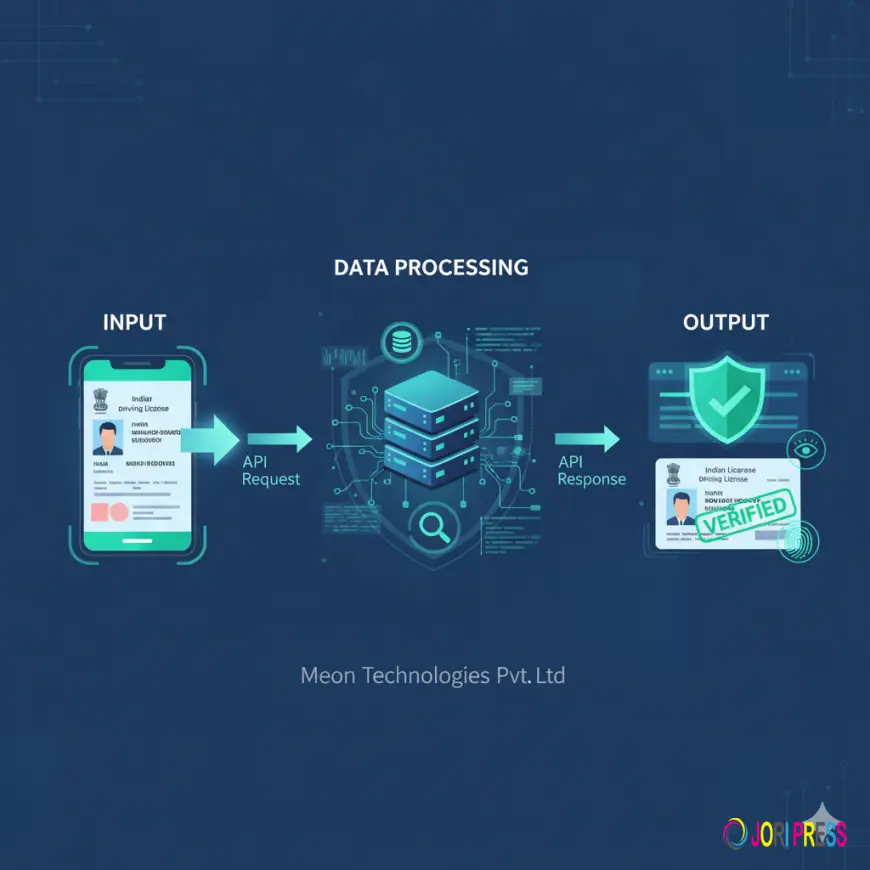
In modern digital onboarding, validating government-issued identity documents in real time is no longer optional. Enterprises handling mobility, logistics, fintech, insurance, or workforce onboarding need instant and reliable verification mechanisms. The Real-Time Driving License Verification API from Meon Technologies is designed to deliver accurate, compliant, and developer-friendly license authentication at scale.
This technical deep-dive article explains how the API works, focusing on integration flow, response mapping, and robust error handling so development teams can implement it with confidence.
Why Real-Time Driving License Verification Matters
Driving licenses are widely accepted identity documents across India. However, manual verification introduces delays, fraud risk, and operational overhead. A Real-Time Driving License Verification API enables applications to instantly validate license details directly against authoritative sources, ensuring authenticity and freshness of data.
With Meon Technologies, businesses gain:
-
Real-time verification
-
Secure API-first architecture
-
Scalable performance for high-volume requests
-
Compliance-ready data handling
High-Level Architecture Overview
The Real-Time Driving License Verification API follows a simple request–response model built for microservices and distributed systems.
Core components include:
-
Client application (web or mobile)
-
Secure API gateway
-
Verification engine by Meon Technologies
-
Government/authorized data sources
-
Structured JSON response layer
This architecture ensures low latency, fault tolerance, and predictable behavior under load.
Integration Flow: Step-by-Step
Understanding the integration flow helps developers reduce implementation time and avoid common mistakes.
1. API Authentication
Every request to the Real-Time Driving License Verification API must include valid credentials issued by Meon Technologies. Authentication is typically handled using API keys or tokens passed securely in the request headers.
Authorization: Bearer <API_TOKEN>
Content-Type: application/json
This ensures only authorized systems can access verification services.
2. Request Payload Structure
The API accepts a minimal and standardized payload to perform verification. A typical request includes:
{
"driving_license_number": "DLXXXXXXXXXX",
"date_of_birth": "YYYY-MM-DD"
}
Keeping the payload lean allows the Real-Time Driving License Verification API to respond faster and minimizes data exposure.
3. Real-Time Validation Process
Once the request is received:
-
Input parameters are validated
-
License number format is normalized
-
Verification is performed against authoritative records
-
Results are mapped into a unified response schema
All processing is handled within milliseconds by Meon Technologies infrastructure.
4. API Response Delivery
The final response is returned synchronously, allowing applications to make instant decisions such as approval, rejection, or manual review.
Response Mapping Explained
Response mapping is critical for developers integrating verification into workflows like onboarding or risk assessment. The Real-Time Driving License Verification API returns predictable, machine-readable fields.
Sample Success Response
{
"status": "verified",
"license_number": "DLXXXXXXXXXX",
"name": "JOHN DOE",
"date_of_birth": "YYYY-MM-DD",
"validity": {
"issue_date": "YYYY-MM-DD",
"expiry_date": "YYYY-MM-DD"
},
"vehicle_categories": ["LMV", "MCWG"],
"state": "ISSUING_STATE"
}
Key Response Fields
-
status: Indicates verification result
-
license_number: Normalized license ID
-
name: Name as per official record
-
validity: Issue and expiry dates
-
vehicle_categories: Authorized vehicle classes
-
state: Issuing authority
This consistent response structure allows seamless integration with backend systems.
Error Handling Strategy
A production-grade Real-Time Driving License Verification API must gracefully handle errors. Meon Technologies follows a standardized error model to simplify debugging and retries.
Common Error Scenarios
1. Invalid Input
Occurs when mandatory fields are missing or malformed.
{
"status": "error",
"error_code": "INVALID_INPUT",
"message": "Driving license number format is invalid"
}
2. Record Not Found
Returned when the license does not exist in the authoritative database.
{
"status": "not_found",
"error_code": "NO_RECORD",
"message": "No matching driving license found"
}
3. Authentication Failure
Triggered when API credentials are missing or incorrect.
{
"status": "unauthorized",
"error_code": "AUTH_FAILED",
"message": "Invalid API token"
}
4. Temporary Service Issues
Handled using retry-friendly error responses.
{
"status": "error",
"error_code": "SERVICE_UNAVAILABLE",
"message": "Please retry after some time"
}
Best Practices for Developers
When integrating the Real-Time Driving License Verification API, developers should follow these best practices:
-
Implement input validation before calling the API
-
Log both request IDs and error codes
-
Use retries only for transient errors
-
Never store raw license data unnecessarily
-
Handle edge cases such as expired licenses
Following these practices ensures stability and compliance.
Security & Compliance Considerations
Meon Technologies designs the Real-Time Driving License Verification API with security-first principles:
-
Encrypted data in transit
-
Role-based API access
-
No unnecessary data retention
-
Audit-friendly logs
These measures help enterprises meet regulatory and internal compliance requirements.
Use Cases Across Industries
The Real-Time Driving License Verification API is widely used in:
-
Driver onboarding for logistics platforms
-
Mobility and ride-hailing services
-
Insurance policy issuance
-
Enterprise workforce verification
-
Fintech KYC workflows
Its real-time nature enables instant decision-making.
Conclusion
A reliable Real-Time Driving License Verification API is essential for modern digital ecosystems. With a clean integration flow, well-defined response mapping, and structured error handling, Meon Technologies delivers a developer-centric solution that scales with business needs.
By integrating this API correctly, organizations can reduce fraud, speed up onboarding, and maintain compliance—without adding operational complexity.
What's Your Reaction?
 Like
0
Like
0
 Dislike
0
Dislike
0
 Love
0
Love
0
 Funny
0
Funny
0
 Angry
0
Angry
0
 Sad
0
Sad
0
 Wow
0
Wow
0