






































Racer Bike Technology: How Speed, Control and Safety Work Together
Understand how racer-bike engines, aerodynamics, lightweight construction, brakes, tyres and electronics work together to improve track performance.
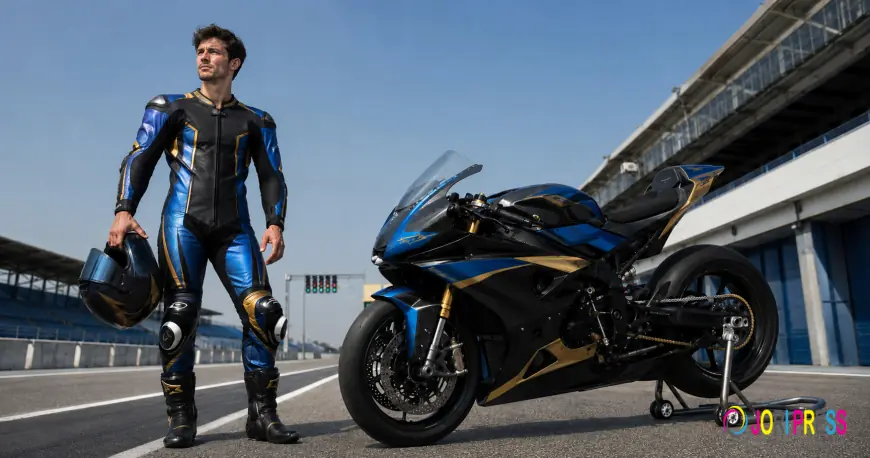
Racer bikes are designed to deliver quick acceleration, sharp handling and stable performance on a racing circuit. Their appearance may attract attention first, but the technology underneath the bodywork is what makes these motorcycles special.
Every important component—from the engine to the tyres—is developed to work together.
Engine Performance and Acceleration
A racer bike uses a powerful engine capable of producing strong acceleration. However, engine power alone does not make a motorcycle fast.
The gearbox, throttle response, motorcycle weight and rider’s skill also affect performance. Power must be delivered smoothly so the rear tyre maintains grip when exiting a corner.
Why Aerodynamics Matter
Racer bikes use streamlined fairings to reduce air resistance. Their sharp front design allows air to flow around the motorcycle more efficiently at higher speeds.
Riders also lean forward and keep their bodies close to the fuel tank. This position can reduce wind pressure and help maintain stability on fast sections of a track.
Lightweight Construction
Reducing weight can improve acceleration, braking and cornering. Manufacturers may use aluminium, carbon fibre and other lightweight materials to keep performance motorcycles strong without making them unnecessarily heavy.
The weight must also be distributed carefully. A balanced motorcycle is easier to control while entering and leaving corners.
Brakes and Electronic Assistance
High-performance motorcycles need powerful braking systems. Large disc brakes and performance callipers help riders reduce speed before entering a turn.
Modern racer-inspired motorcycles may also include:
-
Anti-lock braking systems
-
Traction control
-
Quick shifters
-
Launch control
-
Selectable riding modes
These systems support performance and control, but they cannot correct every riding mistake.
Tyres, Grip and Cornering
Tyres connect the motorcycle to the track, making them one of its most important components. Racing tyres provide strong grip when warmed to the correct temperature.
The tyre shape allows a rider to lean through corners while maintaining contact with the surface. Weather, temperature and tyre wear can all affect available grip.
Racer Bikes and Road Motorcycles
Professional racer bikes are made for closed circuits and may not include equipment required for public roads. Road-legal performance bikes use similar styling and technology but also need lights, mirrors, indicators and other necessary features.
Explore more beginner-friendly information in the racer bikes category on Khelo24race.
Responsible Riding Is Essential
Powerful motorcycles require experience, concentration and careful control. Beginners should start with manageable engine performance and develop their skills gradually.
Protective equipment—including a certified helmet, jacket, gloves, boots and riding trousers—should always be used. Public roads are not suitable places for testing a motorcycle’s maximum speed.
Conclusion
A racer bike is not simply a powerful engine inside an attractive body. Its aerodynamics, weight, brakes, tyres, suspension and electronic systems all contribute to its performance.
Learning how these components work can help motorcycle enthusiasts better understand racing technology and make safer riding decisions.
What's Your Reaction?
 Like
0
Like
0
 Dislike
0
Dislike
0
 Love
0
Love
0
 Funny
0
Funny
0
 Angry
0
Angry
0
 Sad
0
Sad
0
 Wow
0
Wow
0