





































Practical Strategies to Reduce Inventory Loss in Retail Businesses
Learn practical strategies to reduce retail inventory loss through regular stock audits, improved store layouts, employee training, security technology, and professional security services to protect merchandise and improve profitability.

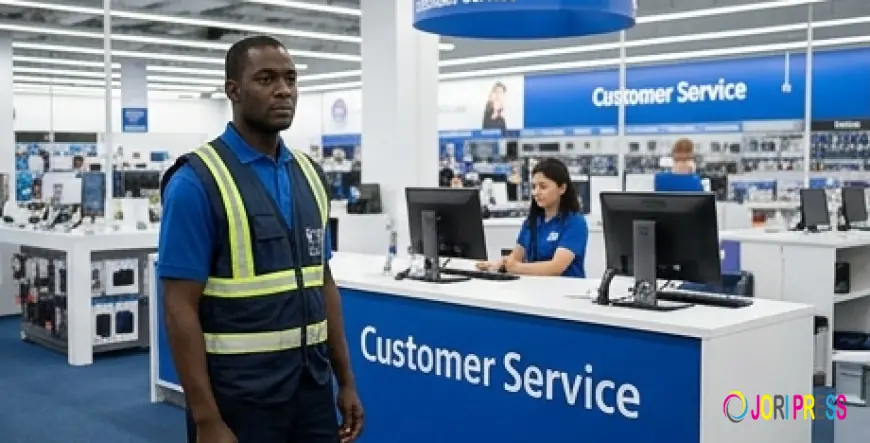
Inventory loss is a common challenge for retail businesses, affecting profitability, stock availability, and daily operations. Products can disappear because of shoplifting, employee theft, administrative errors, damaged goods, supplier fraud, or poor inventory management. Even small losses can accumulate over time and create significant financial pressure. By introducing practical prevention strategies, retailers can protect their stock, improve accountability, and maintain a secure shopping environment.
Conduct Regular Inventory Audits
Regular inventory audits help retailers identify discrepancies between recorded stock levels and the products physically available in the store. Instead of waiting for an annual stocktake, businesses can conduct weekly or monthly checks, focusing on high-value and frequently stolen products.
Comparing sales records, purchase orders, returns, and current stock can reveal unusual patterns. Investigating discrepancies promptly helps managers identify potential theft, misplaced products, and recording errors before they become larger problems. Maintaining accurate inventory records also supports better purchasing decisions and reduces unnecessary stock replacement.
Improve Store Layout and Product Visibility
A well-organised store layout can discourage theft while making shopping more convenient for customers. Products should be arranged so employees can easily observe aisles, entrances, exits, and areas where valuable merchandise is displayed.
Avoid placing expensive or frequently stolen items in isolated corners or behind tall displays. Mirrors can improve visibility in blind spots, while secure display cabinets may be appropriate for high-value merchandise. Keeping shelves organised also makes it easier to notice missing products and suspicious activity.
Retailers should regularly review their layouts to identify areas that offer limited visibility or create opportunities for unauthorised access.
Train Employees to Recognise Suspicious Behaviour
Employees play an important role in reducing inventory loss because they interact with customers and monitor store activity throughout the day. Training should help staff recognise suspicious behaviour, follow store procedures, and respond appropriately without making assumptions based on a person's appearance.
Employees should understand how to report suspected theft, handle refunds, process exchanges, and document damaged merchandise. Clear procedures reduce mistakes and discourage internal fraud.
Managers should also encourage open communication so staff can report concerns confidentially. A professional, alert team can help prevent losses while maintaining a welcoming customer experience.
Use Security Technology Effectively
Technology can strengthen inventory protection when used alongside effective store procedures. CCTV cameras help monitor entrances, checkout counters, stockrooms, and other vulnerable areas. Electronic article surveillance systems, security tags, and controlled access points can provide additional protection against shoplifting.
Point-of-sale systems can flag unusual refund activity, repeated transaction voids, or discrepancies between sales and stock records. Inventory management software also provides real-time visibility into product movement, helping managers identify irregularities sooner.
However, technology alone cannot prevent every loss. Retailers should review footage when appropriate, maintain equipment, and ensure employees understand how security systems support daily operations.
Strengthen Stockroom and Delivery Controls
Inventory loss can occur before products reach the sales floor. Retailers should restrict stockroom access to authorised employees and maintain records of incoming deliveries, outgoing transfers, and damaged goods.
Staff should verify deliveries against supplier invoices and purchase orders before accepting them. Any shortages, damaged packaging, or incorrect quantities should be documented immediately. Separating returned products from saleable stock also prevents confusion and inaccurate inventory records.
These controls help businesses identify whether losses originate during delivery, storage, handling, or sales.
Consider Professional Retail Security Support
Professional security personnel can provide an additional layer of protection, particularly for busy stores, shopping centres, and businesses selling high-value products. Trained security guards can monitor entrances, deter theft, observe suspicious activity, and assist employees in responding to incidents safely.
For retailers seeking stronger loss-prevention measures, Retail Security Melbourne services can help businesses establish a visible security presence and develop practical strategies suited to their premises. Combining trained personnel with inventory audits, staff education, appropriate technology, and consistent procedures can reduce preventable losses and support a safer, more profitable retail environment.
What's Your Reaction?
 Like
0
 Dislike
0
 Love
0
 Funny
0
 Angry
0
 Sad
0
 Wow
0