









































Portable Diesel Air Compressor Maintenance Tips for Long-Term Performance
Learn how to maintain a portable diesel air compressor for long-term performance. Get tips on filters, fuel systems, cooling, oil care and field operation habits. https://www.elgi.com/au/portable-compressors/

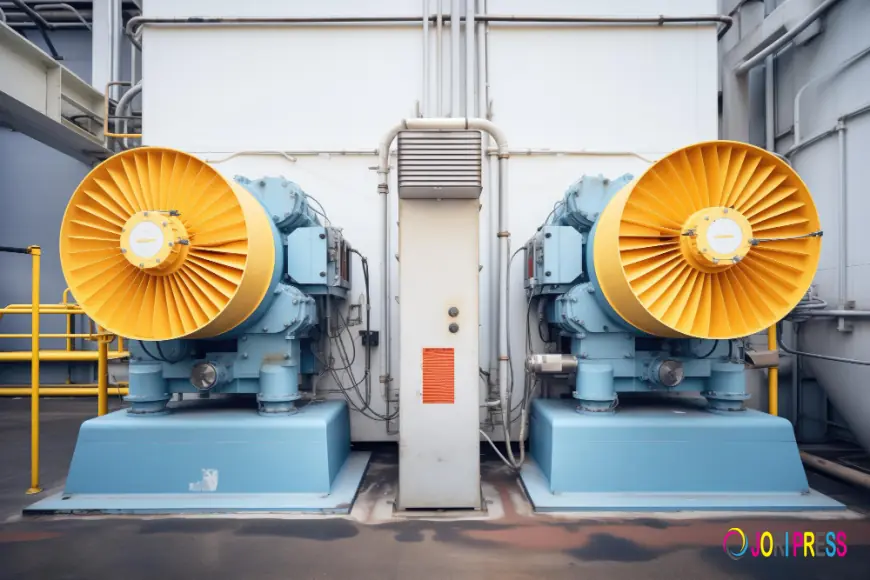
Why Diesel Compressors Need Proper Maintenance
A portable diesel air compressor operates in environments where dust, heat, vibration and uneven terrain are common. These conditions accelerate wear on filters, hoses, fuel systems and moving components. Proper maintenance ensures consistent airflow, reliable starts and long-duty cycles without unexpected downtime. It also protects the diesel engine and air-end components during heavy field use.
While a compact air compressor or standard portable air compressor may require simpler upkeep, diesel systems rely on more frequent checks due to continuous-duty demands and fuel combustion.
Routine Inspection and Operational Checks
Operators should perform basic inspections before each shift. Field work often exposes compressors to debris, moisture and vibration, making regular checks important for tool performance and engine health.
Key Inspection Points
-
Air filter housing and cleanliness
-
Fuel level and contamination
-
Engine oil level
-
Hoses and quick-connect fittings
-
Pressure and temperature gauges
-
Drain valves and tank moisture
These checks take minutes and improve runtime consistency.
Air Filter Cleaning and Replacement
Diesel compressors ingest large volumes of air during operation. Dust and grit restrict airflow and reduce efficiency. Cleaning or replacing filters prevents overheating, improves CFM output and protects internal components.
Filters should be serviced more often in construction, quarry, roadside or farm environments where dust is unavoidable.
Fuel System Care
Diesel engines depend on clean, uncontaminated fuel. Water, sediment and microbial growth can cause injector issues or performance drops. Routine fuel system checks support reliable ignition and stable power generation.
Fuel System Maintenance Includes
-
Draining water separators
-
Checking fuel filters
-
Inspecting lines and clamps
-
Using clean fuel sources
Fuel stability affects both airflow and uptime.
Oil and Lubrication Best Practices
Oil supports both the diesel engine and the air-end depending on compressor design. Correct lubrication reduces heat, friction and premature component wear. Oil levels should be checked before each shift, and service intervals followed based on runtime.
Indoor users of small portable air compressor systems may ignore oil changes longer, but diesel systems operate harder and hotter under field loads.
Cooling System Management
A portable diesel air compressor generates heat during continuous operation. Fans, radiators and shrouds must remain unobstructed for proper cooling. Dirt buildup can restrict airflow and cause thermal shutdowns.
Regular cleaning of cooling fins and protective screens helps maintain heavy-duty performance.
Moisture Drain and Condensation Control
Compressed air collects moisture during operation. If moisture accumulates in tanks or lines, it can corrode components or affect tools. Operators should drain tanks regularly, especially in humid climates or during long working days.
Compact and light-duty units deal with less moisture due to shorter cycles, but diesel systems accumulate more due to higher airflow rates.
Hose and Fitting Wear Checks
Heavy-duty pneumatic tools place stress on hoses and connectors. Wear, cracking or abrasion can cause pressure loss and unsafe operation. Replacing hoses before failure prevents leaks and maintains tool performance.
Operational Habits That Extend Service Life
Operators influence service life as much as maintenance schedules. Gentle startups, proper cooldown periods and correct handling during transport improve longevity.
Good Operating Habits
-
Avoiding unnecessary idling
-
Allowing warm-up at the start of shifts
-
Providing cooldown before shutdown
-
Storing in clean and dry conditions
-
Securing compressor during transport
These habits reduce thermal shock and vibration damage.
Environment Matters for Maintenance Intervals
Field environments dictate how frequently maintenance must be performed. Construction, mining, agriculture and roadside service generate more dust and vibration than garages or workshops. Diesel units in such conditions require shorter service intervals.
Compact air compressor users working indoors may stretch intervals longer because tool cycles and environmental stress are reduced.
Knowing When to Upgrade or Change Configuration
Even with proper maintenance, performance requirements can shift over time. If workloads involve more pneumatic tools, longer runtime or bigger tyres, upgrading to a larger portable air compressor or maintaining a second diesel unit can protect productivity.
Final Thoughts
A portable diesel air compressor delivers autonomy, power and continuous-duty performance for outdoor and heavy-duty tasks. Long-term performance depends on proper maintenance of filters, fuel systems, oil, cooling, hoses and operating habits. While compact and standard portable compressor systems serve DIY and workshop environments, diesel remains the best portable air compressor option for remote and high-demand operations. Keeping diesel units properly maintained ensures uptime, safety and performance across multiple field applications.
FAQ
1. How often should I service a portable diesel air compressor?
Service intervals depend on runtime and environment. Heavy field use demands more frequent checks on filters, oil, cooling and fuel systems. Light-duty or seasonal use allows longer intervals between service cycles.
2. What are the most critical maintenance tasks for diesel-powered compressors?
Air filters, oil levels, cooling systems, hoses and fuel filters are the highest-impact maintenance points. These influence airflow, engine performance and tool reliability.
3. Can a portable diesel air compressor run continuously?
Yes. Diesel units are designed for long-duty cycles and continuous airflow, which is why they are used in construction, agriculture and roadside operations. Proper cooling and lubrication support longer runtime.
4. Do compact or standard portable air compressors require less maintenance?
A compact air compressor and a standard portable air compressor require simpler upkeep compared to diesel units because they do not involve fuel systems or long-duty workloads. Diesel units face harsher environments and heavier operational stress.
5. When is the best portable air compressor upgrade necessary for field work?
Upgrades become necessary when airflow demand increases, runoff time extends, tools become larger or when remote sites require longer fuel autonomy. Diesel remains the best portable air compressor choice for continuous field operations.
What's Your Reaction?
 Like
0
Like
0
 Dislike
0
Dislike
0
 Love
0
Love
0
 Funny
0
Funny
0
 Angry
0
Angry
0
 Sad
0
Sad
0
 Wow
0
Wow
0